







The lower end of the target is a dangerously weak commitment dressed up as courageous leadership. So here is the truth I refuse to soften: for me, many of my generation, and many others like my family, who have grown up on the frontlines of the climate crisis, this is not about parties or politics. This is about survival.
Loading
In 2050, I’ll be 46. The climate risk assessment tells me that my life will be starkly different to that of generations before me. That I’ll likely be raising children in a world earmarked by increased heat-related deaths, that the country I have grown up in will steadily lose landmass as sea levels rise. That the air I breathe, the water I drink, and the food I rely on will be under constant threat, and that the stability generations before mine have taken for granted will not be my generation’s experience. That every choice I make will be shaped not by desire, but by necessity, in a planet stretched beyond its limits.
In 2050, my mum will be 80. The climate risk assessment tells us that poor air quality will be part and parcel of the future, and for her that means constant asthma attacks. Of course, climate change will also pose a challenge to our health system, meaning that as more and more Australians beg for help, fewer and fewer frontline workers will be able to respond.
It has been seven years since my first climate protest. Looking back, it feels like every day since then has been an endless cycle of climate targets, coal and gas extension announcements, headlines about climate disaster events. Each one more disappointing than the last. This past week could not be a clearer demonstration.
In the past seven years, I’ve become tired of writing and talking about how future generations deserve better. How we deserve our future, our health and wellbeing to be a paramount consideration, front of mind when politicians exercise their powers. How, if it is common and accepted knowledge that young people and future generations will be the worst affected by climate change into the future, that this must be reflected in legislation. How incremental progress is a privilege one can only afford when the clock isn’t ticking down.

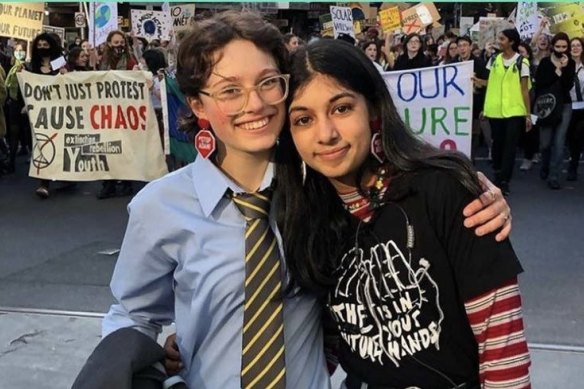
School Strike 4 Climate organisers Ella Simons, then 15, and Anjali Sharma, then 17, at the 2021 rally.
It is not lost on me that I am screaming into the void. That I lost my voice screaming into the void at the school strike in 2019, at every protest until then, and that I continue to scream into the void as I sit here at my laptop writing these words.
My perspective and the perspective of young people is raw. It is urgent, and it is deeply personal. It is not another sterile policy critique, but a plea for a future. A plea for a chance to have and raise children, to continue to speak of the Great Barrier Reef not as a past relic but a current treasure, a plea to be heard before the world we inherit is stripped of its beauty beyond recognition.
Polling shows most Australians want stronger climate action, including a strong 2035 climate target. Young people are not a fringe minority; we are not only protesters, we are voters. And until election time comes around, we’ll keep screaming, because the ballot box is where we can vote for our futures and vote out those who stand in the way of a safe climate. The ballot box is where the void can finally answer back.
Loading
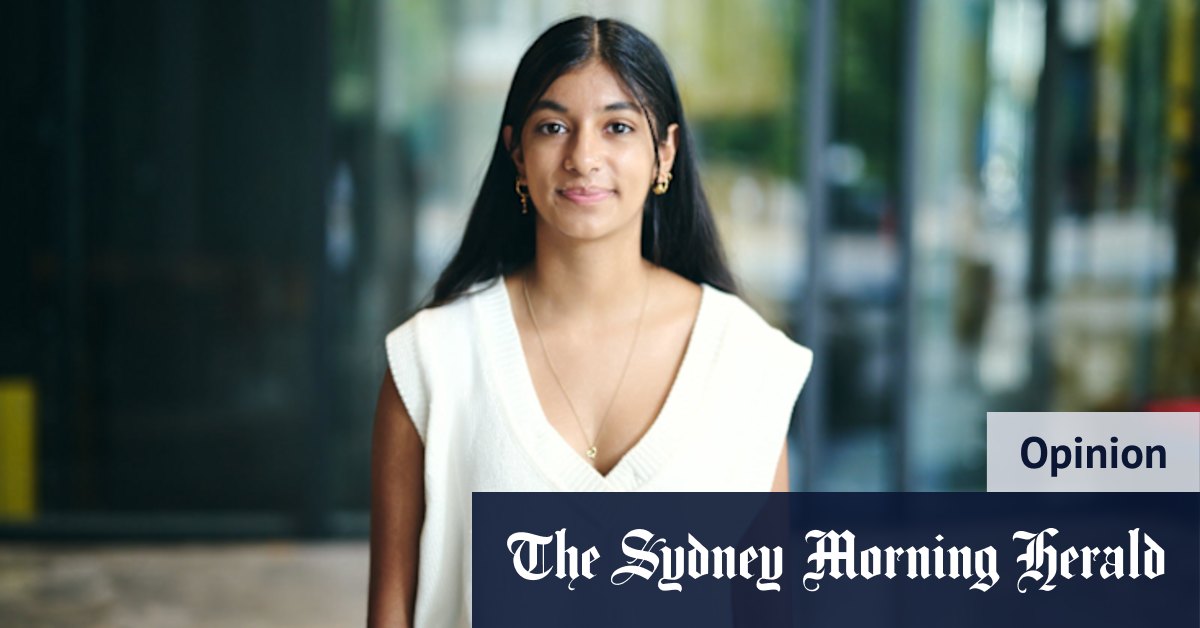
Anjali Sharma is a climate activist and was the lead litigant in a class action against the federal government in 2021.
The Opinion newsletter is a weekly wrap of views that will challenge, champion and inform your own. Sign up here.


