


On Monday in a Melbourne courtroom, the consumer regulator ripped the scab off a very nasty and previously weeping supermarket pricing sore, hearing allegations they were trying to hustle customers with fake discounts, or more technically speaking, misleading us on price cuts.
The case is also evidence of the power and influence of the social media collective, and in particular the power of a deluge of Reddit outrage that highlighted the allegedly misleading high-low pricing on a barrage of everyday supermarket products.
From dog food to deodorant, and from Band-Aids to biscuits, the masses were calling out what they believed to be counterfeit supermarket price-discounting claims. The consumer watchdog investigated the claims and went on to launch bombshell legal action against our two biggest supermarkets in 2024. The trial against Coles kicked off on Monday.
In the firing line are two of the highest-profile Australian executives – Coles chief executive Leah Weckert and her Woolworths equivalent Amanda Bardwell – and at stake are the two companies’ bona fides as providers of value for shoppers sensitive to the cost of living.
Coles is the first of the two major supermarkets now under the glare of the Federal Court, which is adjudicating the Australian Competition and Consumer Commission (ACCC) claim that consumers had been hoodwinked into thinking they were buying discounted products.
There’s a lot at stake for the supermarket giants that all political parties have cast as corporate pirates, price gougers, untrustworthy and overly motivated by profits.
It has been a popular and targeted refrain by politicians looking to share the blame of the cost-of-living crisis. This is even though none of the government inquiries over the past couple of years have landed a real punch on the nose of the supermarket giants.
In the recent period of rapid inflation, consumers have eagerly blamed the big supermarkets for their difficulties in managing household budgets.
It’s fair to say that community wide, the large supermarkets can count very few friends.
If Coles, which is the first of the supermarkets to face the court, loses this case, it will cement a crucially negative customer perception that they have been hoodwinked and sacrificed at the altar of profit.
It will be a far more costly outcome than any penalties the company could endure. Brand and trust are as much on trial here as anything else. Even if Coles wins the case, there is likely to be brand damage from the fierce scrutiny.
The ACCC is mounting the case that the supermarkets have misled their customers by raising prices for a short period of time – maybe only a few weeks – then lowering them to the same or even above the original price, but calling the newest price a discount.
The ACCC reckons that Coles made false or misleading representations to consumers about the prices of 245 products during the period between February 2022 and May 2023.
By way of example, the regulator says from at least January 1, 2021, until October 11, 2022, Coles offered the Strepsils Throat Lozenges Honey & Lemon 16-pack product for sale at a regular price of $5.50 (on a pre-existing “Down Down” promotion) for at least 649 days.
On October 12, 2022, the price was then increased to $7 for 28 days. On November 9, 2022, the product was placed on a “Down Down” promotion with the tickets showing a “Down Down” price of $6 and a ‘was’ price of $7.
It raises the question of which of the three prices is the real price or what customers perceive as the real price.
It is complicated by genuine price increases that suppliers sought and received from supermarkets in the immediate post-COVID era when inflation was running rampant.
Supermarkets can legally offer whatever prices they want, so this ACCC action has nothing to do with price-gouging.
Rather, it is about whether discounts are fair dinkum or a calculated marketing tool to have us believe that we are receiving value.
Supermarket pricing involves a highly sophisticated and dynamic matrix across the whole range of products, ultimately designed to maximise revenue and gross margin.
Equally scientific are the marketing discounting and campaigns conducted by supermarkets, which in the case of Coles include its trademark longer term “Down Down” discounts and its weekly one-off specials.
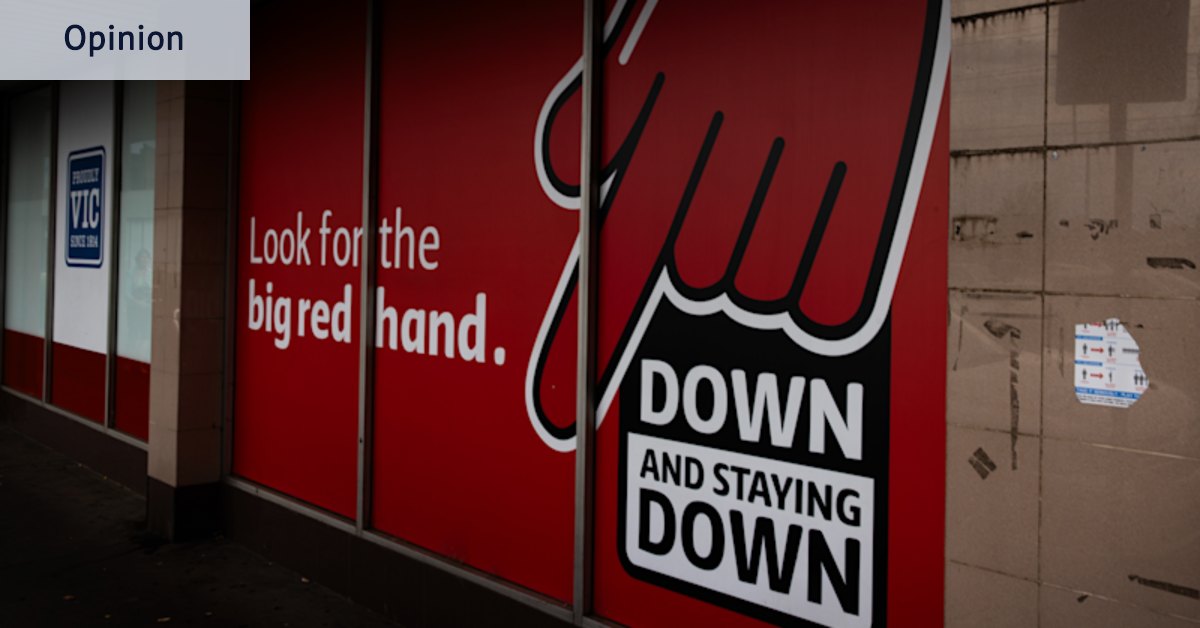
It is the “Down Down” marketing strategy which is on trial, and a poor outcome may place new tighter guardrails on how Coles (and potentially Woolworths) operate their discounting strategies.
It will ultimately answer whether the supermarkets’ customers are suckers or whether the ACCC has missed the mark.
The Business Briefing newsletter delivers major stories, exclusive coverage and expert opinion. Sign up to get it every weekday morning.
