


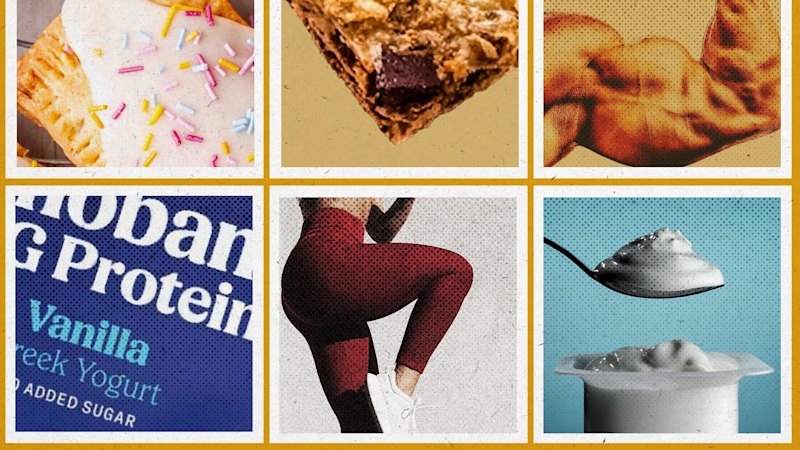

Protein is everywhere and in everything. It is in our tortilla chips, stuffed into jelly, added to sparkling water, Pop-Tarts, and coming for our coffee. The fad has been led by the influencer class: Khloe Kardashian released Khloud, a popcorn dusted with protein powder a year ago, and followed it up last month with new protein chips.
While protein powder has been a steady staple among fitness junkies for decades, the recent flood of products boasting this macronutrient with claims to “support muscles” and “power your day deliciously” has astonished even those in the industry.
“It got pretty nuclear in the last 12 months, where every single brand is just slapping ‘protein’ [on the] product,” said Mike Kellett, who founded his own health food and supplements company Macro Mike a decade ago.
“It is a bit confusing for the customer. Everyone wants to be getting protein in, but what’s a good source of protein, and what’s just marketing is probably the big question mark.”
As people become increasingly willing to fork out money to take care of their health or pursue a social-media fuelled idea of the perfect body, the #proteinmaxxing trend has moved from the fringes of wellness culture to mainstream grocery aisles.
Boosting the popularity of this macronutrient has been the legitimate merits of getting enough protein in our diets: our body needs these amino acids to repair and build cells, muscles, bones, and maintaining a strong immune system.
But as with other fads, the delicious and additive-stuffed vehicle that the protein often comes in can outweigh its benefits.
Retailers have increased their shelf space for such products. A cursory check of Woolworths’ and Coles’ websites show over 800 products listed under “protein”, but these come in very different forms.
In Coles’ supermarket aisles, sales from its private-label supplements and health food brand Coles PerFORM, spanning 40 products, have grown 12.5 per cent every year. These are largely traditional high-protein products, such as protein powders and prepared meals that tend to contain chicken and beans. Yoghurt is another bestseller, growing 40 per cent in the last 12 months, while demand for protein bars, cereal, drinks and snacks is also high, said a spokesperson for the supermarket.
Then there are the left-field protein items. If you want to buy protein-enhanced Weet-Bix, you can get it: Weet-Bix “Protein Bites” have 20.3 grams of protein per 100 grams (compared Weet-Bix Original’s 12.4 grams).
But it actually contains less wholegrain wheat (69 per cent compared to the Original’s 97 per cent), and the “caramel crunch” flavoured cereal contains a staggering six times the amount of sugar (19.1 grams compared to three grams in Weet-Bix Original). Sanitarium, which makes Weet-Bix, was contacted for comment.
Buoyed by rising interest in healthier lifestyles, food manufacturers have added protein to cookies, lollies, chocolate, and marshmallow bars. A host of brands now sell instant coffee with added protein powder. Health experts are becoming concerned that these treats are diverting attention away from the optimal way protein should be consumed.
“Those products aren’t part of your regular diet. They’re snacks and extras,” said supplements manufacturer Bulk Nutrients founder Ben Crowley.
Kellett estimates about 90 per cent of the protein-enriched products in supermarkets are “BS and just full of crap”. “I’ve seen instant noodles calling out protein … all these junky processed foods that are calling it out,” he said.
“I’d say the protein bar industry is probably the worst. You’d be better off just eating a chocolate bar and having a chicken breast than eating some of these protein bars, because they’re just so processed.”
The science, put simply, is this: our bodies prefer protein that is minimally processed, like lean meats, eggs, fish, dairy, tofu, beans and lentils. They are, of course, not quite as tasty as a protein bar covered in chocolate.
“I’m worried that people are going to over-rely on these high-processed protein foods and not having those whole food sources,” said Nicole Pritchard, an accredited practising dietitian for the CSIRO Total Wellbeing Diet.
“You may not really know the amount of ingredients or how to pronounce them, and you’re going to add unnecessarily kilojoules as well, without any benefit.”
How much protein is too much?
We are, broadly speaking, eating enough protein to meet our daily needs: Australian adults consume about 91 grams of protein a day on average, according a recent CSIRO report. But those with weight loss goals, looking to age well and preserve muscle can benefit from eating more protein across the entire day, rather than concentrating on dinnertime.
Where it comes from matters. “More isn’t actually better,” said Pritchard.
“We call it the health halo – it tricks people into think it’s healthy or even good for weight loss. But often the headline ingredient of ‘protein’ may distract from extra sugar, artificial sweeteners or more processing, and they can be expensive too, compared to if you just bought some eggs or some Greek yoghurt.”
How do you tell the difference between what’s real and what isn’t? The advice is consistently the same: flip the packet over and look at the ingredients and the nutrition panel. If it’s got a lengthy list of ingredients, steer clear.
Kellet, whose business began as an Instagram page of the high-protein desserts he baked for himself as someone gluten- and dairy-intolerant, insists this is the difference between his products and others in the market.
Through his brand Macro Mike, Kellet has struck partnerships with the global food manufacturing giant Kellanova to sell protein powders and peanut butter cups in Golden Gaytime, Banana Paddle Pop and Froot Loops flavours. “We use natural flavours and natural sweeteners,” he said. “If we were going to use like artificial sweeteners and artificial flavours, our products would be cheaper to make.”
Some products being marketed as protein-rich already contain protein to begin with. Bega’s Protein Cheese contains 28 grams of protein per 100 grams, which isn’t all that much higher than their regular tasty cheddar cheese (24.4 grams). On the other hand, it isn’t stuffed with sugar either.
Two months ago, Chobani launched a new yoghurt range with 20 grams of protein, a third more than its existing products. But this is no gimmick, according to Chobani chief executive Scott Hadley. “Our protein just comes from straining fresh milk,” he said. “It is a little bit thicker. It’s taken us a while to develop it.”
While it’s a good thing the conversation and interest in protein has moved firmly into the mainstream, where we get it from matters.
“I would have a concern if we were seeing, and we are seeing, high-protein processed foods with plenty of ingredients moving away from what we know is so important for our health in terms of minimally processed fresh produce and food,” said University of Queensland professor of community health and wellbeing Lauren Ball.
“Keep reading the back [label], looking at the ingredients to see what else is in there, and to look for the less processed options.”
The Business Briefing newsletter delivers major stories, exclusive coverage and expert opinion. Sign up to get it every weekday morning.
 Jessica Yun is a business reporter covering retail and food for The Sydney Morning Herald and The Age.Connect via X or email.