







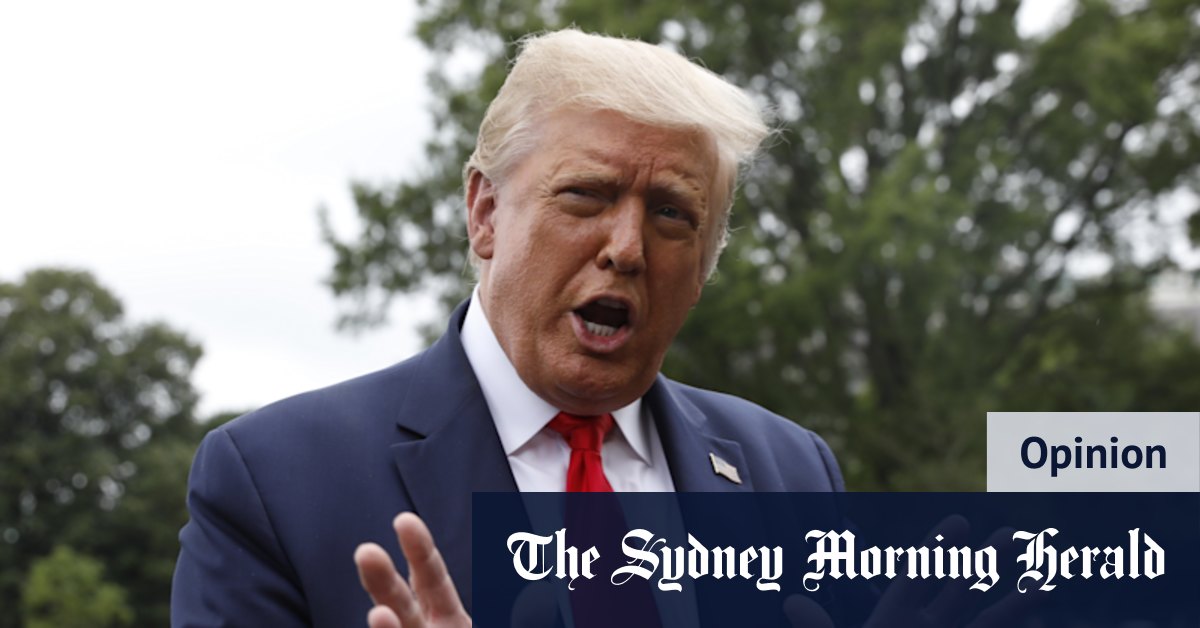

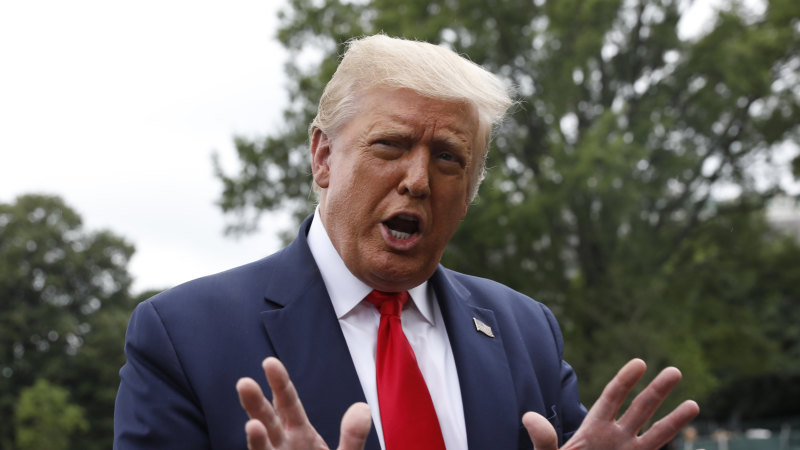
It’s also been noted that a big ByteDance shareholder, the multi-billionaire Jeffrey Yass, was a major donor to the Trump campaign and that ByteDance’s chief executive Shou Chew was invited to sit on the dais at the inauguration, alongside former presidents and Trump family members.
Loading
US Congress passed the legislation ordering TikTok to either be sold or shut down because of concerns that the addictive app could be used by China to manipulate American public opinion by pushing misinformation, propaganda or divisive material to its vast US user base.
ByteDance didn’t help its cause when, at its urging, TikTok users flooded congressional phone lines to oppose the legislation.
The platform used users’ postcodes to connect them to the phone numbers for their congressional representatives. The politicians weren’t amused by TikTok’s attempt to use its database and audience to influence their decisions – the response of the platform’s users demonstrated its ability to wield influence.
China’s response to the legislation also played to their fears by demonstrating that it believes the app has Chinese national security implications.
Beijing imposed export controls on the algorithm and other intellectual property that enables the app to choose what material to put before individual users. Its national security laws also give it the ability to direct Chinese companies to provide its officials access to their user data.
After Trump decided to keep TikTok alive in the US (there was a moment where it went “dark” before he issued his executive order) there have been a number of attempts to form consortia to acquire the US business. ByteDance, however, couldn’t sell the app or give US buyers access to its algorithm without Chinese government approval.
Now, it seems, it may have gained that approval, although not for the clean transaction that Congress contemplated.
The framework of the deal thrashed out over the past few days envisages a consortium of Oracle (which hosts TikTok’s US user data on its cloud infrastructure), venture capital firm Andreessen Horowitz and private equity firm Silver Lake management joining the existing US investors in Byte Dance (General Atlantic, Yass’ Susquehanna International Group, KKR and another tech investor, Coatue) in owning about 80 per cent of a newly formed US entity.
ByteDance would hold a 19.9 per cent interest in the US business, which would have American directors, including one appointed by the US government.
The fate of an app that hosts short videos showing people doing largely silly things was elevated [ …] over negotiations about the broader trade relationship and Trump’s punitive tariffs.
All US data would be held on US servers and users would be transferred to a new app ByteDance has been developing solely for its US user base.
China’s officials say that ByteDance will license its algorithm and other intellectual property to the US company.
It is unclear whether ByteDance will have any continuing access to US user data, although it was anxious in the lead-up to the negotiations that US content should be able to be shared with users elsewhere in the world and vice versa, which would presumably necessitate some form of ongoing access to US content, if not the underlying data.
Trump’s latest executive order instructing the Justice Department to ignore the ByteDance laws will give the negotiators, and the aspiring American TikTok shareholders, another three months to iron out the details.
Loading
Congress will presumably need to ratify any deal and change or repeal the existing legislation, so there will be intense scrutiny by politicians of the new ownership structure, the ongoing relationship with ByteDance, control of the algorithm and the security of the US data.
Trump’s support might be sufficient to convince the Republican congressional majorities to rubber stamp a deal, although there are enough China hawks within both parties to provide stumbling blocks to its execution.
One of the oddities of the whole TikTok saga has been the importance and priority Trump and his administration has assigned it.
The fate of an app that hosts short videos showing people doing largely silly things was elevated in the fourth round of trade talks between the US and China over negotiations about the broader trade relationship and Trump’s punitive tariffs.
Trump’s second administration has tended to be somewhat unconventional (to put it mildly), but it does seem peculiar that it would elevate talks about the fate of a popular social media app over a trade conflict between the world’s two biggest economies, one with significant spillover effects on the global economy.
The Market Recap newsletter is a wrap of the day’s trading. Get it each weekday afternoon.


