



Updated ,first published
The psychologist who helped establish Queensland’s first children’s gender clinic has aired plans to resign following the Crisafulli government’s ban on hormone therapies for kids, citing fears she can no longer provide evidence-based healthcare or fulfil her professional duties.
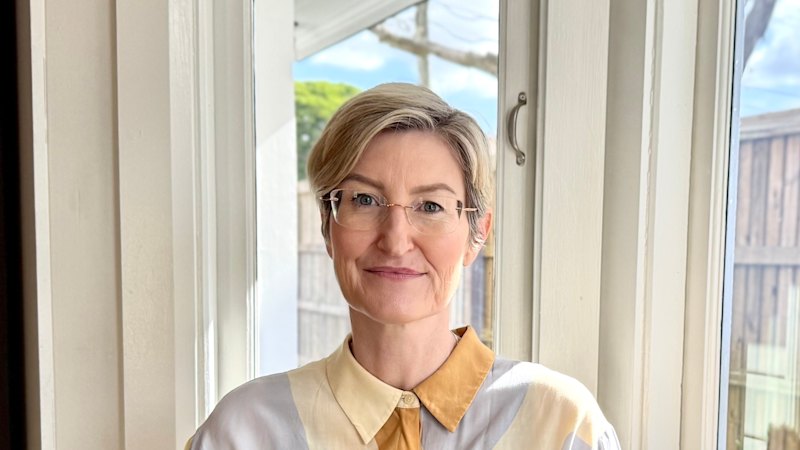
Olivia Donaghy has worked with transgender kids and in child and youth mental health services for nearly 20 years, and in 2016 was recruited to develop a care model for The Queensland Children’s Gender Service in Brisbane, a first-of-its-kind public clinic for trans and gender diverse kids.
When the service opened the following year, Donaghy continued as the statewide co-ordinator, a role she maintained until taking extended leave in December 2023.
Donaghy is due to return to her position this year but said she is reconsidering her future following the government’s decision to ban stage one and two hormone therapies for transgender children.
“I can’t see how it’s feasible for me to return when the thing that I’m employed to do, I am restricted and unable to do,” she told this masthead in an interview this week.
“In my view, a gender clinic that cannot offer clinically recommended treatments is not a gender clinic.
“It’s likely that I will resign because I don’t want to return to a counselling service … there are no universally adopted or endorsed clinical guidelines that say that [only offering] counselling is an appropriate response.”
The service, located in the Queensland Children’s Hospital in South Brisbane, was designed to offer multidisciplinary care to trans children with gender dysphoria, using clinical guidelines developed with local and international expertise.
It included a gender-affirming model of healthcare, allowing a team of medical specialists to prescribe puberty blockers and hormone therapies if needed.
Donaghy, who features in an upcoming episode of SBS’s Insight program discussing trans medicine, said this approach hinges on two fundamental principles: that trans people are real people whose gender and sex is incongruent, and that there is nothing wrong with anybody who is trans.
“If you’ve got those two principles clear in your head as a health practitioner providing healthcare, you then move on to what is a very classic approach to healthcare called evidence-based medicine,” she tells host Kumi Taguchi.
In an interview with this masthead at the private gender clinic she co-founded with Dr Stuart Aitken in Brisbane, Donaghy said the prescription of medical intervention was not taken lightly.
“We, like every other doctor and health professional, are not ever wanting to put people on medications that they don’t need,” she said.
She said the directive meant the clinic could no longer provide the treatments written in clinical guidelines that informed their practice, and placed further restrictions on providing referrals.
“[In my role with Queensland Health] it created an immediate clash between my obligations as a psychologist and registered health professional to provide the best evidence-based treatments for those individuals that needed it.”
Under the government’s directive, children who had already started at the Queensland Children’s Gender Service would continue receiving care until the end of their treatment period.
Donaghy is worried that once the group finishes, the clinic will “be closed by stealth”, reduced to a counselling service that could potentially harm trans and gender-diverse kids.
“There can be a risk with [only offering counselling services] that they will try to counsel a person out of being transgender, which is of course conversion therapy, which is outlawed in Queensland by health practitioners,” she said.
Donaghy later said she did not believe this was what the government intended to do, but it was a risk.
There are medical professionals who do not agree with the gender-affirming model of trans healthcare, and the Queensland government has maintained its ban on hormone therapies is necessary until further research on their effectiveness can be conducted.
“We’re prepared to observe and watch and wait what happens in the United Kingdom,” Health Minister Tim Nicholls said in December when announcing an extension of the ban until 2031.
“In Queensland, we’re not prepared to go down that pathway of trialling unproven drugs on children.
“When that [UK] trial is completed, that will then be an opportunity for the government, at that time, to reconsider the pause.”
Donaghy said similar questions were being researched by a national consortium of Australian gender clinics. She is critical of the LNP’s decision to await the results of the UK study – which has been paused due to ethical concerns.
“They’re following international documents that are not based on Australian models of care,” Donaghy said.
“It’s just mind-boggling to me … when [Australian researchers] are currently engaged in the world’s largest cohort study on the health outcomes of trans youth.”
Asked whether the government’s position has changed in light of the UK study’s pause, a spokeswoman for Nicholls said: “Safety concerns raised by the UK’s Medicines and Healthcare products Regulatory Agency (MHRA) validates the Queensland Government’s decision on Stage 1 and Stage 2 hormone therapies for those aged under 18.”
Donaghy’s parting message, which may signal the end of her public health role, is critical of the precedent set by the LNP government and its “lack of compassion” for a vulnerable health population.
“Whatever a person’s view on trans medicine, they should be really concerned about politicians coming and inserting themselves into that patient consultation room in between the child and their parent and the doctor, and telling them what they should and shouldn’t be prescribed,” Donaghy said.
CLARIFICATION
This story has been updated to clarify some of Olivia Donaghy’s comments.
