







Loading
“In NSW and Victoria, about 55 per cent of this cohort are ATAR eligible, while in WA only about 27.5 per cent of the school-leaving age cohort take courses leading to an ATAR,” Yager said.
Using historical data showing the progression of students in NSW from the previous school certificates to the HSC, statisticians can see the impact that academic ability has on the likelihood of a student taking a subject that leads to an ATAR.
The participation rate in schooling in NSW steadily increased from 2014 to 2017, when it peaked at 61 per cent. Since then, it has been steadily declining, falling to 55.1 per cent in 2024, Yager said, with the higher average ATARs “entirely the result of that decline”.
Nationally, the school retention rate, which measures the proportion of students finishing year 12, has been declining for the past decade, but there was a slight increase last year.
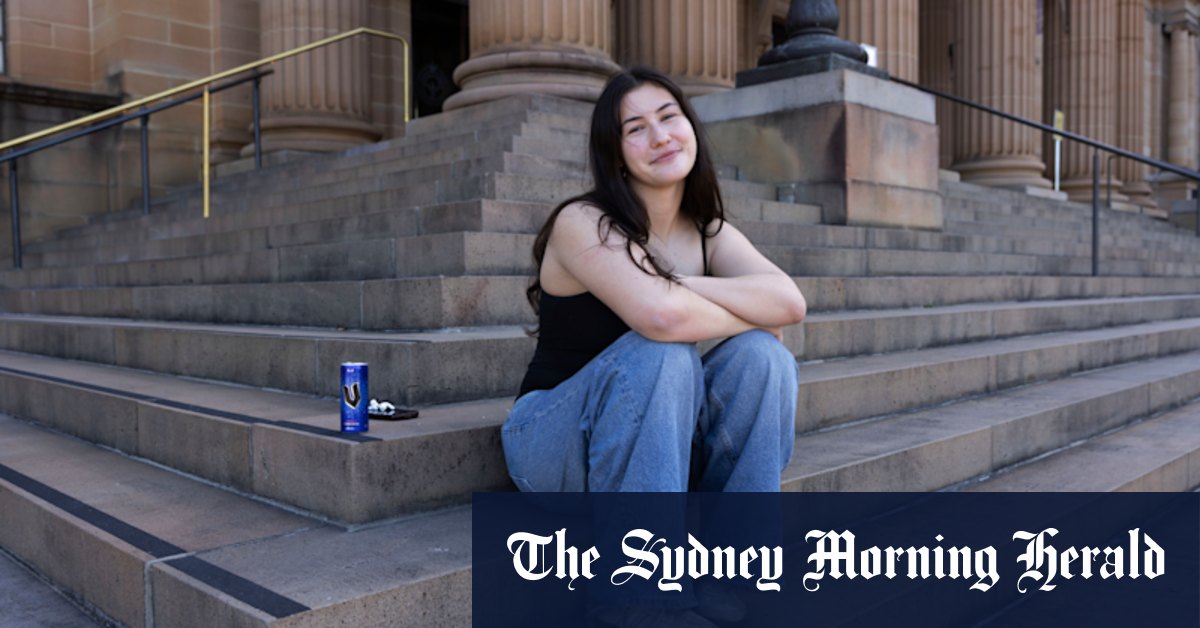
Among those hoping to go to university next year is Inner Sydney High School student Charlotte Huntington, who needs an ATAR of 60 to be admitted into a psychology course at RMIT in Melbourne. She was not surprised more students had left school early in recent years.


Charlotte Huntington, 17, is hoping to get an ATAR of 60 in this year’s HSC.Credit: Jessica Hromas
“I don’t think a lot of people are suited for the academic pursuits that regular schooling entails. I think in the past 20 years, it’s like a lot of ADHD and … it doesn’t match up with schooling,” she said.
She opted to do hospitality as a vocational education course in her HSC year because it was more practical and hands-on. She said most of her male friends, unsuited to the academic environment, had left school before year 12 to pursue a career, “to do trades”.
The 2025 HSC exams will run until November 7 and students receive their ATARs on December 18.


