








There is something dangerous and deadly lurking in Victoria which nobody in power seems to want to discuss or consider beyond well-meaning platitudes.
It’s the road toll. The strategy to cut it has failed and although it no longer seems fit for purpose nobody is publicly talking about how to rebuild it.
Despite the quite reasonable political obsession with street crime, corruption and debt, it is time to bring road trauma back as a high-profile public issue and redesign a failing strategy.
Fresh ideas are urgently needed. And the public must be involved.
To begin, a specific problem may be emerging with drivers under 30. The figures are small, and will be erratic, but as of midnight, May 19, Transport Accident Commission figures for the year show death rates for those under 30 have increased but those for over-30s have dropped.
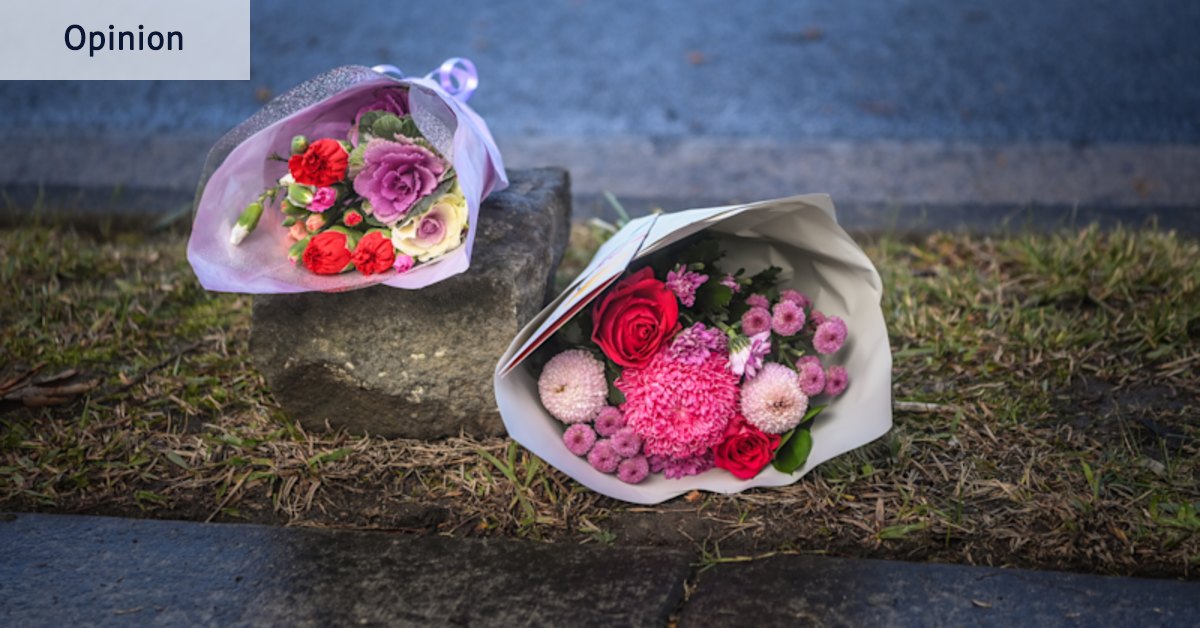
And this number should be occupying the minds of anybody with a heart: there has been a 133 per cent increase in deaths of children between 5 and 15 so far this year.
Seven children in that age group have died, compared to three in the same period the year before and eight for all of last year. The five-year average is two.
The problem was tragically highlighted last week after a 14-year-old boy travelling in a stolen ute with three teenage family members died when the vehicle crashed into a tree near Mildura.
Is this a trend? It’s too early to tell. But it’s the job of government and safety authorities to be ahead of any trend, and target it. So where is the new strategy to replace the outmoded one?
The Victorian Road Safety Strategy was released in 2021. It aimed at a 50 per cent reduction in road deaths by 2030. It was updated with the same target about 18 months ago.
That means the aim is to reduce deaths to 118 (half the 2021 road toll of 235) annually within the next four years. Last year 291 died.
A 50 per cent cut in the next four years is impossible. But still we get the same warnings and messages and targets that can never be met.
The Australia Automobile Association says nationally, since the targets were set, far from going backwards, there has been a 19.8 per cent rise in deaths.
The strategy, well-meaning and ambitious though it was, has failed.
Maybe there is no answer. But the first step is to admit the strategy has outlived its usefulness.
Last week was National Road Safety Week. In recognition, the government issued a cliche-cluttered statement and put $28.3 million into technology designed to catch and punish bad driving, including more speed cameras and new all-in-one cameras that can also detect mobile phone use and seatbelt violations. Good.
They also lit local landmarks yellow. But where were the fresh ideas?
David Axup has spent most of his life attending and studying crashes. He is a qualified road and highway engineer. He retired as chief superintendent of traffic at Victoria Police.
Axup says there is no “silver bullet” to road trauma. He wants to restore the offence of “consorting”, which prohibits individuals from associating or communicating with known convicted offenders or suspected criminals, for any group of three or more youths with criminal history so we can break the cycle of motorised madness.
He wants mandatory youth detention for theft of a vehicle and failing to stop when directed, and says any offence involving unlawful use of a vehicle should be heard in adult court.
“The current phenomenon of young unlicensed people stealing or hijacking vehicles and driving at speeds that pose enormous risk to innocent drivers and police needs to be treated outside the framework of traffic law and dealt with the same, for example, as discharging a shotgun in a public place.”
“Unfortunately, we have a state government completely out of touch with reality … and until that is changed the public and the police will continue to be at serious risk of death or serious injury.”
Sue Smith, a nurse, is co-ordinator of the Alfred Hospital PARTY program – it stands for Prevent Alcohol and Risk-related Trauma in Youth.
It has been running since 2009, and students from 16 schools a year get a behind-the-scenes look at the consequences of trauma. They visit ICU, emergency and trauma departments. Victims explain their stories.
The program is fully booked. About 200 schools are waiting to attend.
No study of effectiveness has been done. It relies on donations, and nobody from road safety has ever talked to Smith about what she has learnt dealing with victims and potential victims for 17 years.
“It is not the only solution, but part of one perhaps. I do think we have saved lives,” she said.
One of those to speak to visiting kids is Oscar Mugerwa. He smashed his car, drunk. He says it split in two, badly injured his best friend. On Mugerwa’s 22nd birthday, his own leg was partly amputated.
“We all think we’re invincible. This opens their eyes to real life. We have to get the message out there – the road toll has become hush-hush,” he said.
Is PARTY worth expanding? Should the government finance it? Does it reach that under 30 group? Anecdotally it’s effective, but there is no hard evidence.
Why isn’t this an issue for the state election? Why isn’t the opposition pledging to look properly at what could be a life-saving scheme? Why no research?
There are 121 pages to the existing ALP policy schedule. There is nothing about a road toll strategy. The Liberals are similar.
It’s time to chase ideas and engage the public. The strategy, the messaging and anything else that needs thought must be reviewed against the background that the plan has failed. And it should be bipartisan.
Forget the targets. We need an expert panel – led by somebody like former chief commissioner Ken Lay – to find out what has changed and what needs changing.
There may be no silver bullet. But if the politicians on both sides are unwilling to look under every crashed car to find one, this debate will be unchanged in 20 years and another 4000 people will have died.
Neil Mitchell is a commentator and podcaster.
The Opinion newsletter is a weekly wrap of views that will challenge, champion and inform your own. Sign up here.


