








The 1979 oil crisis quadrupled petrol prices in Australia and led to chaos in our cities and regions.
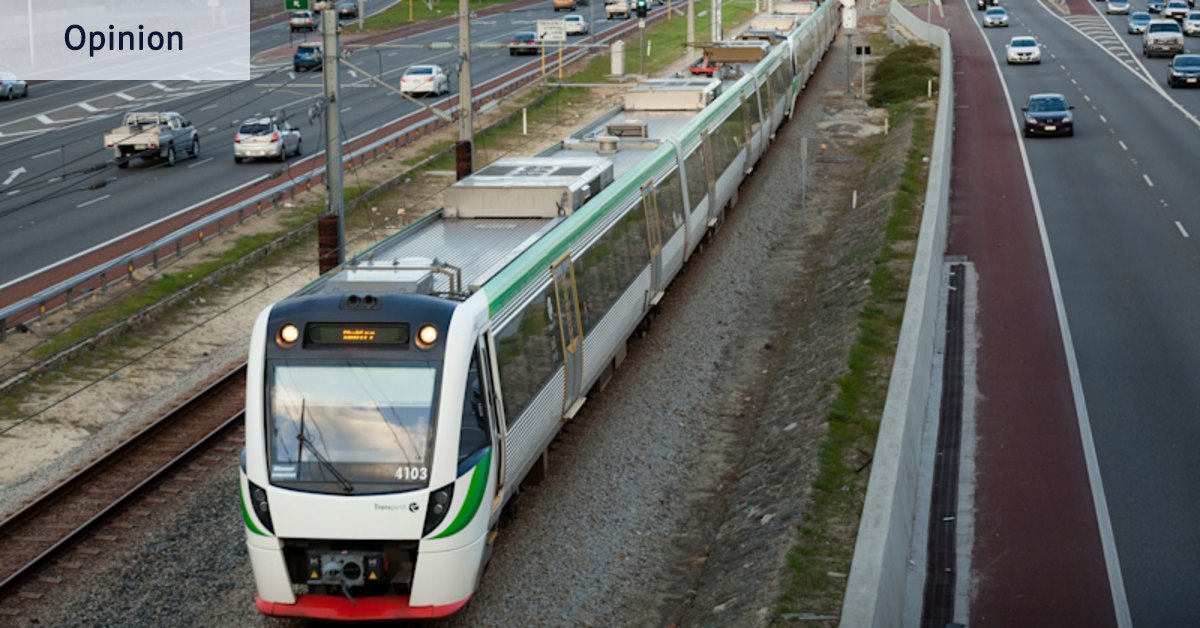
At that time, the Liberal government in Western Australia closed the Fremantle railway down as the first step in showing we were a city that would never need rail.
It was not good timing. I was a young academic and Fremantle councillor who had lived through the US oil crisis in 1973.
It had seared into my brain that cities and regions had to find a way to get away from oil vulnerability. I ran the campaign to save the Fremantle railway – and we won.
The Liberals were replaced in 1983 by an ALP government that promised to return the trains and look at electrification and extension to new parts of the city, as was starting to happen around the world.
Over seven elections in the past 40 years, the ALP won based on new railway projects.
Now we have seven new rail lines that have increased patronage on rail 10 times. Many other cities followed us in what has been called the Second Rail Revolution.
This oil crisis looks even more serious and damaging to all parts of the economy. What can we do that will enable us to have an economy not dependent on oil?
We certainly need a vision for short and long-term changes that can drive us to be among the world’s leaders as we did before.
My agenda includes the following, all of which are beginning to happen in other cities and regions.
First, we need to build Tram-Net, with tram boulevards down main roads in Perth, linking across the corridors that enable easy and rapid linkage to the heavy rail system.
Each station can unlock sites for affordable housing that is net zero. Fifteen local governments in Perth have worked out exactly where these can go, and the premier recently let it slip that he liked that idea.
The same systems have been planned for all the major cities in Australia as part of our research.
Second, we need to build Country-Net. We need more rail back into regional areas for freight and for passengers.
Local areas in our South West have already done studies that make increasing economic sense in an oil-vulnerable world.
The Pilbara is now showing how electric rail can work in the mining industry.
Country rail has been extended for freight and passengers successfully in NSW and Victoria, and across the country there is a need for more rail freight and passenger options.
Third, we need more electric cars and trucks. EVs are happening in Australia very rapidly as China has made the market much more commercially attractive for cars.
They are about to do the same with electric trucks, as 50 per cent of their new trucks are now electric.
Just as they did for the world market with solar, batteries and EV cars, they are about to do with EV trucks. They pay for themselves within five years.
We need to get ready with EV charging and battery swaps at all regional service stations.
Fourth, we need to have demonstration net-zero precincts in every new urban and regional development project.
Net zero is not just about climate change, its also about security into our future without depending on any fossil fuels.
We need a serious plan for protecting our futures.
Be the first to know when major news happens. Sign up for breaking news alerts on email or turn on notifications in the app.


