







For the longest time, I hated Bankstown. I hated the despondency of its lifeless streets and the choking feeling of stagnation that weighed it down.
My dad would often have me and my siblings in the taxi alongside a customer or two, laughing off the awkwardness. He’d finish his job, then expertly whip the car through Bankstown’s narrow backstreets, finding the nooks and crannies to stop at the Lebanese grocer or the Vietnamese bakery, ignoring our pleas to take us home.
For a while, Bankstown was never more than what I saw out of the back seat of my dad’s taxi – overdeveloped and under-resourced, an ignored, clogged-up pocket of Sydney that was more annoying than anything else.
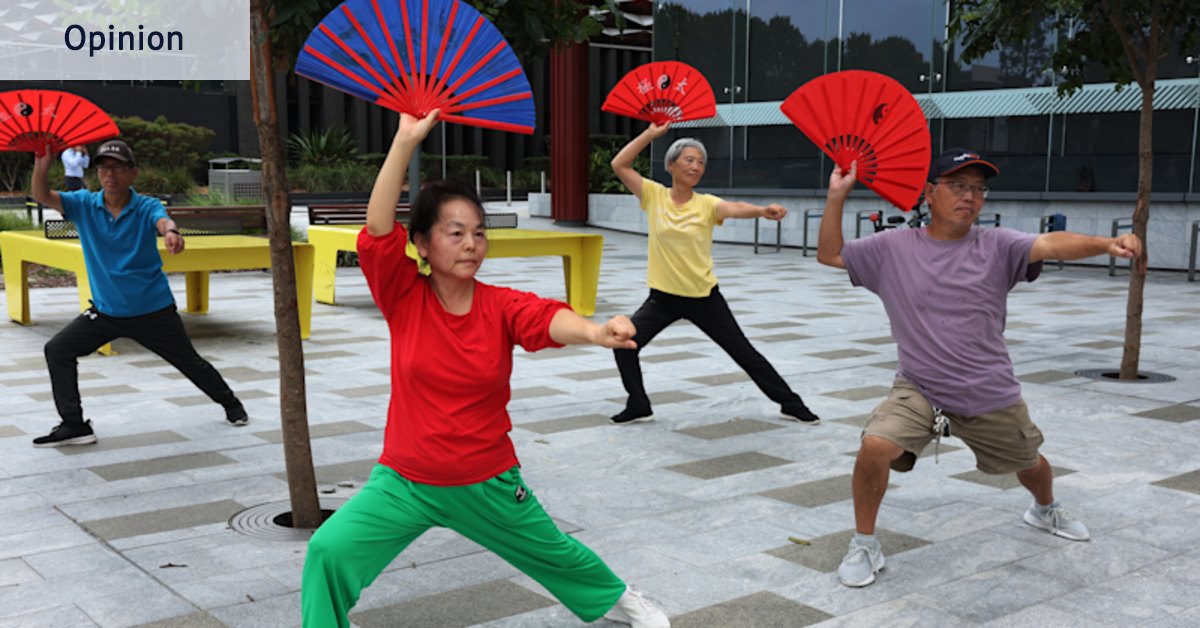
But eventually, Bankstown’s unique collection of snaking lanes of migrant enclaves coalesced into my own safe space. This is a place of feverish hope, of lives built from scratch, of cultures fiercely preserved, of parents and grandparents and uncles and aunties who laugh in the face of hardship. Its people have always seen worse.
Like the workers who keep it alive and churning, it remains a steadfast place, a spiritually alive place, charming in its optimism, almost warm in the arms of its many languages. No one came to Bankstown to die.
Bankstown is a large south-western suburb of Sydney, bordering Punchbowl on one side and Condell Park on the other.
It is one of the most diverse areas in the country. About 200 languages are spoken there. The most recent census found that more than 60 per cent of residents had parents who were born overseas, and more than 64 per cent spoke a language other than English at home.
The major communities in Bankstown were the Lebanese, Vietnamese and Greek communities, alongside growing Pakistani and Indian communities. According to the census, there are more people of Lebanese heritage in Bankstown than any other. And unlike most suburbs in Sydney, Islam is the most followed religion.
My family moved to Bankstown in the early ’90s, having initially landed and settled in Punchbowl. We stayed in a housing commission apartment behind the cop shop for a while, before moving around, but Bankstown always remained central to our lives, mostly due to its well-worn migrant grocers and butchers who were my dad’s favourites.
Bankstown’s shopping centre is the beating heart of the suburb, and a key reason people come and stay in the area. It was once known as Bankstown Square, and was a relatively low-key commercial centre, but it has grown and changed names, now boasting trendy stores such as Uniqlo and JD Sports.
The shopping centre’s influence extends beyond its doors, with at least three different plazas dotting the surrounding streets, affording space for specialty grocers and shops to thrive.
Bankstown has been a migrant hub since the end of World War II. At first, they mostly arrived as refugees from Europe, but towards the ’80s and ’90s, more arrived from Asia and the Middle East. And it was these migrants that made and remade the suburb, shaping it in their image.
They opened grocers and bakeries, butchers and patisseries, sports clubs and specialty shops. They opened mosques and temples, wedding halls, churches and community centres, aged care and medical centres.
But most prominently, they opened restaurants and cafes – so many that they sometimes appear to be piling on top of each other, their neon signs and bright lights endlessly consuming the suburb’s centre.
They range from Vietnamese bakeries and restaurants to dumpling huts, Lebanese patisseries and charcoal chicken shops. There are manoush shops and late-night burger spots, Korean barbecue, steakhouses, Egyptian takeaway and, most recently, Japanese fine dining.
I’ve bought countless sweets from Hallab on Chapel Road, taken them to family and friends to wow them with my inside track of the best Lebanese sweets in the city. I’ve spent countless nights at Titanic Restaurant and Cafe for their shisha and surprisingly good pizza.
And while it no longer opens at night, Glacage Cafe used to be the only place to get good tea and coffee after 8pm. I’ve slurped the pho at VBites countless times, taken surprised friends to Taste of Egypt or picked up breakfast at the aptly named Bankstown Lebanese restaurant for my family all the time.
The sheer intensity of the variety can be bewildering, but they weren’t built for people not from Bankstown. These are places built not just to sell food, but out of a longing for familiarity, a love for culture and homeland bubbling just below the surface.
Combined with the thriving shopping scene, this creates a buzz around Bankstown that can last into the night, with people walking, eating and chatting at all times.
But its jarring obtuseness to outsiders may not last long. Bankstown is due to become a transport hub when the Sydenham to Bankstown metro line finally opens in the second half of the year. The suburb is due to be the final stop on the line that will whisk people in, opening Bankstown up to the rest of the city in an unprecedented manner.
It is also due to become a stop for the surrounding suburbs and their transport, with trains and buses bringing people into Bankstown to ride the metro.
The accessibility to the rest of the city will probably bring with it a change in demographic, as those priced out of the inner-city and inner-western suburbs look west for a place to live that doesn’t significantly displace them.
Bankstown fits the bill for that kind of gentrification. Its housing still relatively cheap, its supply still relatively high, its transport set to improve in leaps and bounds.
It has a newly opened university and is only 19 kilometres from the Sydney CBD. Its only downside is the dearth of green spaces. Paul Keating Park (named for the only prime minister to have come from Bankstown) is the only park in the central area of Bankstown. And while there are a handful of smaller green spaces between apartment blockers around the suburb, they aren’t quite the sprawling parks that litter the city.
But it’s a beating heart of a suburb, a chattering, living entity, constantly in flux and yet comforting in its familiarity. And that is why I ultimately decided I like Bankstown, actually. Despite its challenges and my own childhood impressions of it, it’s just far too alive to ever really hate.
Mostafa Rachwani is a journalist at the Parramatta bureau of The Sydney Morning Herald.


