









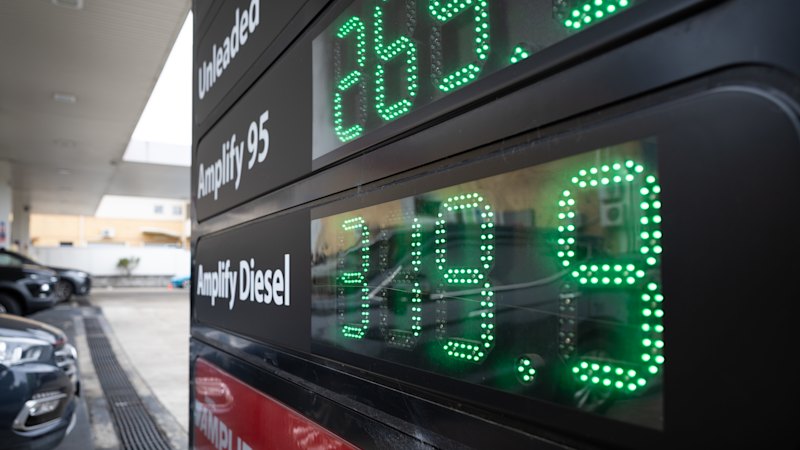


A spike in fuel theft of up to 50 per cent is sweeping the nation, as petrol and diesel prices hit new highs and big corporates emerge as one of the major causes of service stations running dry.
The Australian Association of Convenience Stores – which represents thousands of service stations including 7-Eleven and BP – said incidents of drive-offs, where motorists fill up without paying, had risen between 10 and 50 per cent across the country, depending on the location.
Surging fuel crime is also being driven by the rising cost of living, according to the association’s chief executive Theo Foukkare, with service station cameras revealing many of the thieves are first-time offenders.
“Normally people that do fuel drive-offs do them all the time,” Foukkare said. “But now, it’s across the board, and it varies from young girls, to mums, to tradies, to older people.”
One service station operator that runs six stores in Western Sydney reported its typical monthly fuel loss of about $4000 had spiked to $10,000 since February 28, when the Iran war choked off oil supply from the Middle East and sent petrol and diesel prices soaring.
Foukarre said increasing numbers of customers were abusing staff. He warned that any bad behaviour would be captured and reported.
“We’ve got a lot of angry people. My message to the community is: be kind and respectful to the staff. They have no control over the price or what’s happening in the Middle East. Please, just treat them with respect and kindness,” he said.
“Service stations have cameras on the forecourt and they know your car, they know your face, you will be reported. There’s no doubt about that.”
Prime Minister Anthony Albanese on Saturday criticised incidents of people filling jerry cans with fuel and declared hoarding was un-Australian. He said bad behaviour risked the imposition of COVID-style restrictions on motorists.
“That’s not the Australian way. People need to take what they need and no more,” Albanese said in reference to people filling jerry cans.
“We need to learn the lessons of COVID now. I don’t want things to be mandated [which are] common sense.”
Fuel prices continue to surge across the country.
The average daily retail price for diesel in major cities hit $3.03 per litre on March 25, up more than 61 cents in two weeks. The average daily retail price for unleaded petrol reached $2.52 per litre across the country’s five largest cities on the same day, a rise of 30 cents in a fortnight.
Motorists are now filling up more regularly but purchasing smaller amounts, with the average top-up falling from 35 litres to about 20 litres, according to the Association of Convenience Stores.
Some 42 per cent of motorists have cut back on their driving by between 10 and 30 per cent, according to a survey of 1800 members of the National Roads and Motorists’ Association (NRMA).
Record high fuel prices and fuel retailer behaviour remain a major concern for motorists. The consumer watchdog has fielded more than 3000 reports on prices, with complaints about retailers raising prices on multiple times in one day, large overnight price jumps, and service stations setting volume limits or running out of fuel completely.
Hundreds of mostly independent service stations have run out of fuel in regional locations across the country.
Concern over fuel shortages was particularly acute in the initial days after the US and Israel launched its attack on Iran, when some of Australia’s biggest users of diesel in mining, agriculture and transport rushed to fill their huge private fuel tanks.
Industry insiders, who requested anonymity so they could speak freely, said big fuel buyers were able to leverage their reliable credit ratings and long-term relationships with fuel suppliers to secure large volumes of diesel early in the crisis.
Large private buyers typically buy under contract, while independent wholesalers and service stations purchase much of their fuel on the spot market.
The scramble from big buyers to secure extra supply sucked the spot market dry, and left independent service stations scrambling to plug the gaps created by a wave of panic buying.
The government last week made a dramatic market intervention to help secure regional fuel supply, releasing about 20 per cent of the nation’s fuel stockpile, which equates to six days’ worth of average national diesel consumption and five days of petrol.
Federal Energy Minister Chris Bowen used the threat of the government commandeering supply chains to force fuel suppliers to tap the fuel stockpile, which is held in their facilities around the country, to ensure the petrol and diesel went to independent retailers.
Bowen forced fuel suppliers to guarantee they would sell to regional independents.
One in seven NSW service stations reported they were out of at least one fuel type on Saturday. Of the 366 with outages, numbers of stations in regional areas were steady while city bowsers running dry increased, according to state government data.
Sixty-five petrol stations across NSW reported they were without any stock, a jump from 48 on Friday, and 221 were without diesel.
With Max Maddison
Start the day with a summary of the day’s most important and interesting stories, analysis and insights. Sign up for our Morning Edition newsletter.


