








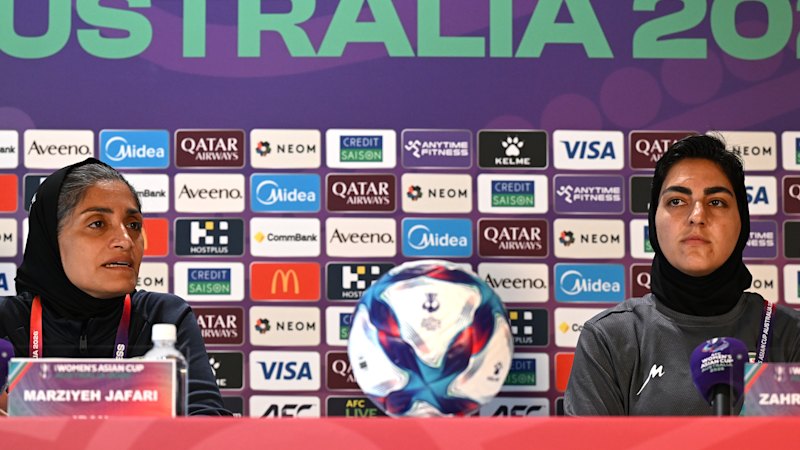
Our hearts go out to the Iranian women’s national football team, caught up in the Middle East conflict and forced to play a brand of political football that can only instil fear for their lives and their families.
Early last week, the women did not sing their national anthem before their match against South Korea in an Asian Cup pool contest on the Gold Coast.


Mobina Fouladvand, an Iranian-Australian living in Sydney, is among diaspora pleading with Australian officials. Credit: Dan Peled
Back home, a state television presenter branded them “wartime traitors” who must be “dealt with more severely”. In the US, the exiled Iranian crown prince waiting in the wings for regime change, Reza Pahlavi, took to social media to claim they were under pressure and faced dire consequences should they return home.
We have been on this pitch before. In 2022, at the Qatar World Cup, the Iranian men’s team faced immense pressure after they didn’t sing the national anthem in their first match to protest against the regime. They later sang the anthem under pressure. None sought asylum.
Loading
Nobody knows why the Iranian women chose not to sing in Australia or if they want asylum. But after their performance attracted global attention, something shifted. Both players and coaches enthusiastically sang the Iranian national anthem and flashed military salutes in subsequent matches against the Matildas and the Philippines.
After Sunday’s final match, when the team, known as the Lionesses, were about to be driven away after the game, demonstrators waving flags of the old imperial Iran thumped their vehicle and chanted “let them go”, blocking their exit for 15 minutes.
International sporting competitions provide a very attractive opportunity for people to escape difficult situations at home, most often from political repression. Australia had its first taste at the 1956 Olympic Games in Melbourne, when 48 of 111 athletes with the Hungarian team fled the recent bloody Soviet invasion of Hungary and defected.
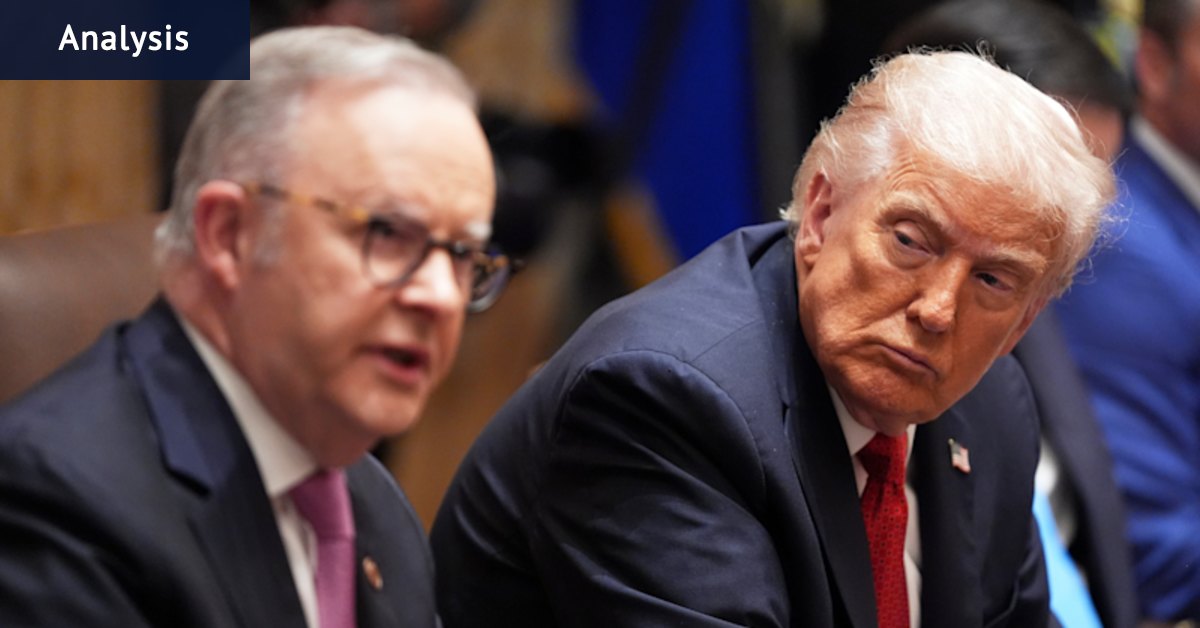
On Sunday, as community and civil society groups expressed grave concerns for the Iranian players’ safety and asked the Albanese government to do everything possible to allow them to stay in Australia, Foreign Minister Penny Wong parried queries about the government’s efforts to contact the Iranian footballers.


