



A draft proposal to relocate childcare centres, playgrounds and schools at high risk of toxic metal exposure was one of several recommendations removed from an independent report into lead contamination in Broken Hill, new documents reveal.
NSW Chief Scientist Hugh Durrant-Whyte on Thursday published his agency’s report into the health and environmental impacts of lead contamination in Broken Hill, the mining town 14 hours west of Sydney, built on one of the world’s largest deposits of silver, zinc and lead.
Durrant-Whyte said lowering dangerously high levels of lead in the blood of Broken Hill’s children was “an urgent public health priority”, after finding progress on the issue had slowed and many historical recommendations were yet to be implemented.
“The purpose of this report is not to delay progress but to realign current efforts toward minimising community exposure to lead, particularly in children,” he wrote. “The development window from birth to five years old is critical and delays in effective intervention risks irreversible impairment and potential lifelong complications to successive generations.”
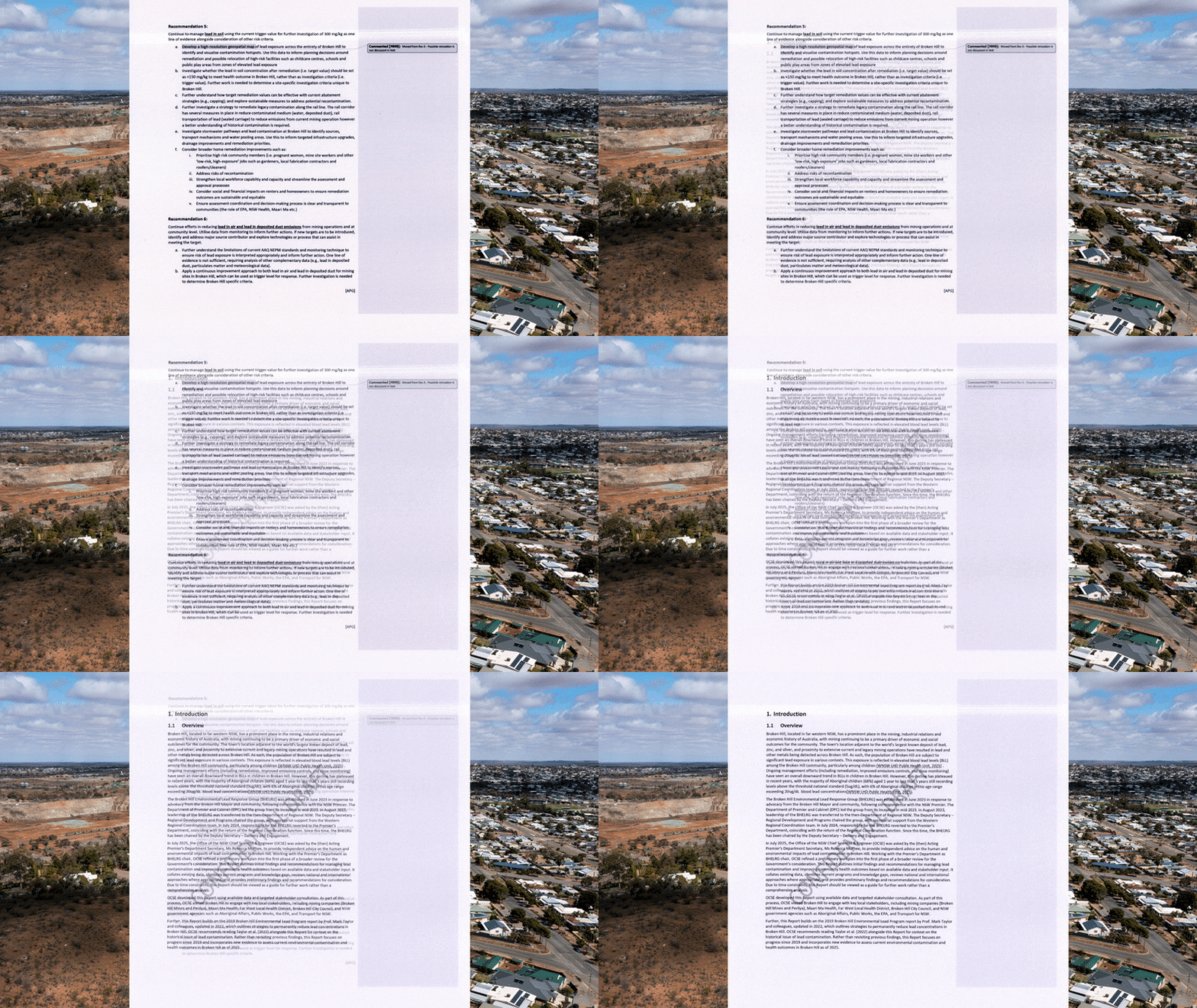
Three of the seven recommendations initially proposed by Durrant-Whyte’s office did not make the final report, drafts of the document made public through a parliamentary call for papers reveal.
One of the recommendations, contained in an October draft, suggested developing a detailed map to “identify and visualise contamination hotspots”. This data could be used to guide planning decisions around remediation and possible relocation of high-risk facilities “such as childcare centres, schools and public play areas from zones of elevated lead exposure”.
In 2023, two of three preschools in the town had lead levels above the threshold for intervention, according to data published in the draft report.
A sixth recommendation, also removed from the final report, suggested conducting a cost-benefit analysis of dust-reduction strategies such as street sweepers and revegetation.
The final recommendation in the October draft proposed seeking additional funding from alternative government programs such as the Commonwealth’s Closing the Gap measures or the NSW social housing energy performance initiative.
Emails from March last year show funding for Broken Hill’s lead program was under strain. The program had fallen outside the priority projects being taken to the Expenditure Review Committee “as their allocation has been exhausted”.
In reply, one public servant warned it would be challenging for the community if the program were “not funded and momentum is lost”.
‘There’s virtually zero interest from the NSW government in the health and wellbeing of Aboriginal children in Broken Hill … [It is] a waste of time really.’
Richard Weston, chief executive of Maari Ma Health Aboriginal Corporation
Emails from November 6 show the Office of the Chief Scientist and Engineer (OCSE) invited bureaucrats from NSW Health, the NSW Environment Protection Authority (EPA), and the premier’s department to a confidential briefing the next week.
The bureaucrats were told the briefing would “not be open to editorial commentary” and only minor adjustments may occur before the final publication of the report.
The parliamentary documents include a November media request from the Herald asking the chief scientist when the report would be published, which was escalated to the premier’s department for approval.
The report was due to be submitted to the premier’s department and published in December but was not made public until Thursday, shortly after the Herald sent questions about the drafts and why the publication had been delayed by two months.
The OCSE declined to respond to questions, stating they did not comment on published reports.
A spokesperson for the premier’s department said they did not request changes to the report’s recommendations.
The department will now consider the chief scientist’s recommendations, including a $2.5 million proposal to conduct further investigations until December, the spokesperson said. “A response will be confirmed in due course.”
The government’s response to the issue has caused frustration in the town’s Indigenous community.
Durrant-Whyte’s report noted that Aboriginal children in Broken Hill were disproportionately affected by lead contamination, with much higher lead exposure risk compared to the general population.
Half of all government-owned homes for Indigenous families had high levels of lead, and 23 per cent were at very high risk from lead contamination, the report said.
Maari Ma Health Aboriginal Corporation chief executive Richard Weston said the Indigenous health service withdrew from the Broken Hill Environmental Lead Response Group in November in protest at the government’s inaction.
“There’s virtually zero interest from the NSW government in the health and wellbeing of Aboriginal children in Broken Hill,” Weston said. “[It is] a waste of time, really.”
An earlier draft from October said Broken Hill was a case study for what can happen with mining elsewhere, “including Mudgee”, where a new silver, zinc and lead mine was approved in 2023.
Greens MP Cate Faehrmann, who requested the documents, described the final report as “politically palatable” for Premier Chris Minns.
“The people of Broken Hill have the right to be very angry at the government,” she said. “They just refuse to do what’s necessary to keep the kids of Broken Hill safe.”
The Morning Edition newsletter is our guide to the day’s most important and interesting stories, analysis and insights. Sign up here.