




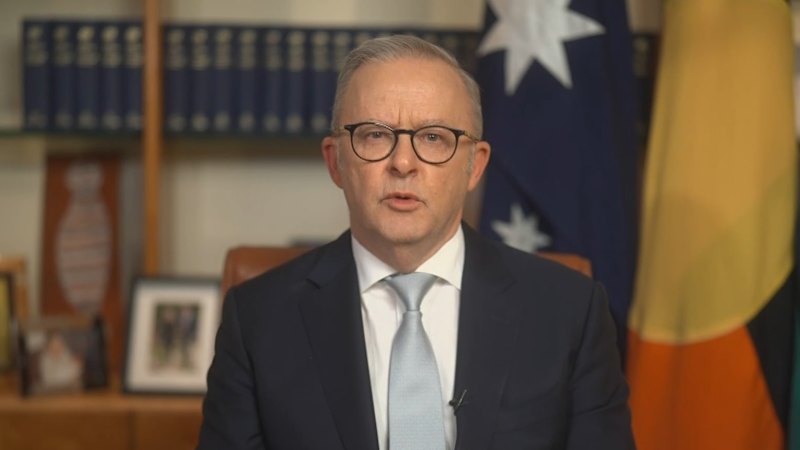




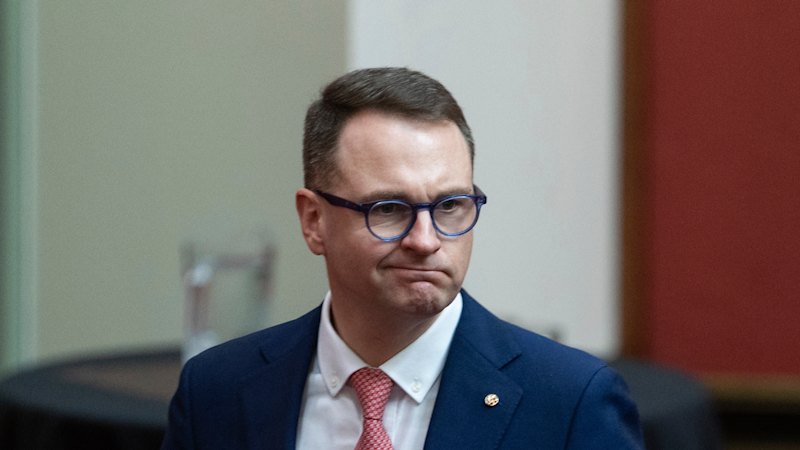


The Albanese government has repeatedly dodged demands to publish documents and refused to explain why modelling for a centrepiece housing policy has been kept secret, opposition and crossbench senators have said, as they wage a war over transparency in the Senate.
The claims come after Coalition, minor party and independent senators have spent weeks clogging proceedings with orders for the production of government documents, demands labelled by the government as pointless “fishing expeditions”.
The tactic is part of a wider move by crossbench and Coalition MPs to unite and reject measures deemed damaging to transparency. The partnership of left- and right-wing senators has so far forced the government to release the Briggs report into “jobs for mates” appointments, and shut down the government’s contentious freedom of information bill.
On Wednesday, opposition housing spokesman Andrew Bragg wrote to Housing Minister Clare O’Neil objecting to the government’s provision of heavily redacted documents related to Labor’s 5 per cent deposit scheme, which the Liberal Party opposed at the last election.
“The government’s failure to comply with Senate orders without legitimate justification reflects a disregard for transparency and accountability. These actions undermine government scrutiny and democratic oversight mechanisms,” Bragg said in his letter.
In a statement to this masthead, Bragg said the policy was a “case study in Labor secrecy”, taking particular issue with the government commissioning Treasury modelling of the policy three months after it was announced.
A spokesperson for O’Neil rejected Bragg’s claims, saying: “If senator Bragg wants to spend his time trying to undermine a program helping Australians into their first home, that’s his call.”
The government argued they have set “a new benchmark for transparency” by complying with more orders than any other government in history. The volume of orders has significantly increased since non-government senators turned to the tactic this term.
Dr Catherine Williams, executive director of the Centre for Public Integrity, said: “We remain concerned about the rate of non-compliance, as well as the rate at which public interest immunity is relied upon as the basis for that non-compliance.”


