









Popular ranges of rat and mouse poisons will be restricted for use within weeks and could be pulled from supermarket and hardware shelves within months after the federal regulator found they posed unacceptable risks to native wildlife, pets and livestock.
The Australian Pesticides and Veterinary Medicines Authority (APVMA) on Tuesday announced it was in the public interest for a range of second-generation rodent poisons to be declared as restricted chemical products.
Retailers and wildlife advocates were on Wednesday scrambling to understand how the decision should be interpreted while Assistant Agriculture Minister Anthony Chisholm considers the recommendation.
If Chisholm chooses to adopt the APVMA’s recommendation that second-generation anticoagulant rodenticides (SGARs) be restricted, they will no longer be available for retail sale and will be available for use only by licensed operators.
Meanwhile, the registration of SGARs will be suspended for 12 months from March 24, with new limitations on the sale of the products and a ban on the manufacture and import of new products.
Most rodent poisons on sale in Australia at Bunnings, Woolworths, Coles and IGA are second-generation anticoagulant rodenticides, which prevent blood from clotting and cause them to bleed out internally.
The federal regulator has been considering the future of the poisons for more than four years, amid overwhelming evidence of their toxic legacy on the broader environment.
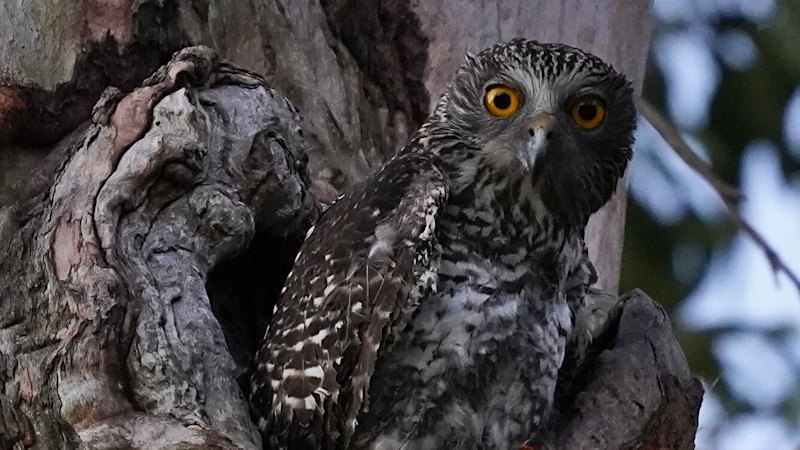
The second-generation poisons in question are so toxic they kill predators such as powerful owls, which eat possums and rodents that have poison in their systems.
A study in 2024 showed 91 per cent of brushtail possums and 40 per cent of ringtail possums studied had rat poisons in their systems.
Ecologist Dr Barry Traill estimated tens of thousands of Australian owls and tawny frogmouths are killed by rodent poisons each year. Poisoned rodents are picked off by predators at a higher rate than healthy rodents because poisoned rodents become dopey and uninhibited as the toxins take effect.
“This is a very good first step,” Traill said.
“It provides the clear recognition that a ban is needed to stop owls, quolls and eagles being killed by these especially toxic rat poisons. However, this has to just be the first step. Given that use by licensed pest controllers still results in poisoned wildlife, we look forward to and expect the government to bring in a complete ban.”
The APVMA in December handed down the findings of its four-year review of SGARs but, at the time, rebuffed calls to ban the products.
Instead, the authority recommended changes to how the products are sold, such as containing poisons to within bait stations rather than throw-packs, recommended mice poisons be used only inside buildings, and recommending rat poisons be used only within two metres of buildings.
After widespread outcry from wildlife experts, the authority reconsidered that decision, issuing a statement recommending that all products containing second-generation anticoagulant rodenticides be listed as restricted products.
This, the APVMA said, “will enable tighter controls on their purchase and use, including restricting access to individuals who meet specific training and licensing requirements”.
Assistant Minister Anthony Chisholm is considering that recommendation.
Products containing brodifacoum, bromadiolone, difenacoum, difethialone and floucoumafen will be suspended for 12 months from March 24 and face future bans if Chisholm declares SGARs as restricted chemical products.
A spokesperson for the APVMA said that, for the next 12 months, limitations would apply to the use of SGARs, with multiple clear directions including:
- DO NOT use this product outdoors.
- DO NOT use unless secured in a tamper-resistant bait station.
- DO NOT use the product for longer than 35 days when treating an infestation.
- Search for, and dispose of, dead rodents and slugs/snails in the infested area at each visit to prevent secondary poisoning.
BirdLife Australia’s urban birds program Dr Christina Zdenek said use of SGARs was normalised in Australia, despite the products being banned in the United States and large parts of Europe.
The poisons are classed by the World Health Organisation as class 1a – the most hazardous category to human and animal health – and BirdLife has continued to campaign for them to be banned outright.
“A five-year-old child can buy these things, and it’s ludicrous,” Zdenek said.
“In America, for over 10 years, they’ve been able to go to their biggest retailer, Walmart, and buy guns and ammunition, but they cannot buy these chemicals. That’s how bad it is.”
A spokesperson for Metcash, which owns businesses including Mitre 10, IGA and Home Timber and Hardware, said the organisation was working through the details for the changes with its supply partners to ensure they could comply with the new regulatory requirements.
A Bunnings spokesperson said the chain would follow the APVMA’s guidance, and was working through the implications of the changes for the products it stocks.


