










Nonetheless, online traffic resilience does cement sales. Lego, the world’s No. 1 toymaker, is a good example. In the first half, sales rose 13 per cent to $US5.4 billion, following a 13 per cent increase in 2024. Double-digit growth is fantastic for a 92-year-old company.
[Out to prove the sceptics wrong, the toymaker saw its shares jump by the most in two months on Wednesday after it said mini Labubu dolls launched in late August fuelled another buying frenzy, which boosted its sales by as much as 250 per cent year-on-year in the September quarter.]
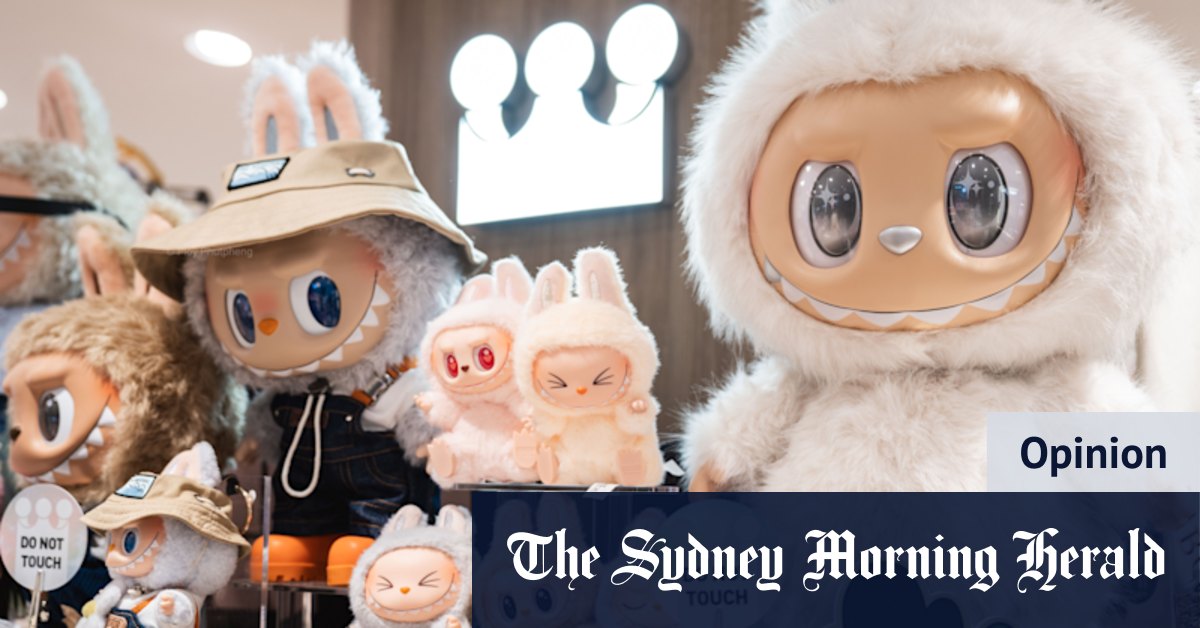
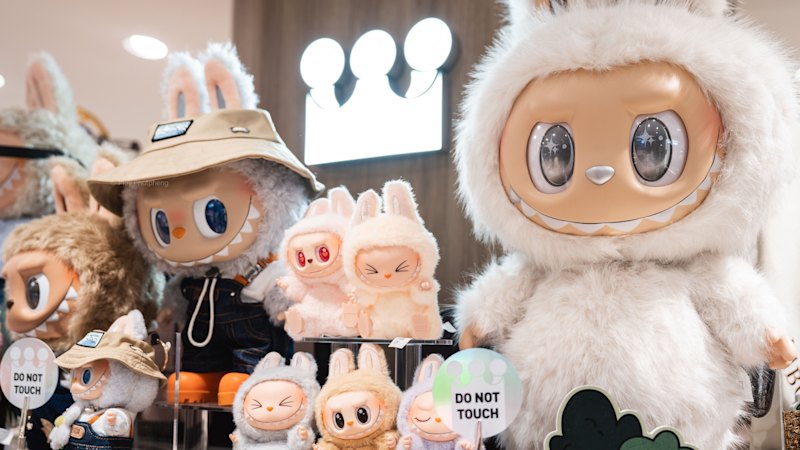
While the Labubu craze has quietened down on social media, Pop Mart is relying on scarcity to sell its products. Months after the company vowed to increase supply, Labubu remains out of stock in stores.
I’ve been collecting these toys long before they became a global sensation – and lately, I decided to stop the chase. This is because unless you have time to wait around Pop Mart’s retail outlets to get hold of fresh batches, the only way to own one is through scalpers – and I can’t tell if I bought a Labubu or a Lafufu, a colloquial term for the fake ones. The premium price I paid may not guarantee authenticity.
My latest delivery from resellers feels funny – one leg has better range of motion than the other. I’ve started to develop Lafufu anxiety.
Instead of prioritising restocking, Pop Mart has been busy churning out limited editions to whet consumer appetite. The Why So Serious series, released this month ahead of Halloween, with 33,000 likes on the company’s official Instagram account, are wickedly adorable but annoyingly out of stock and out of reach. A “juggling clown” costs 430 yuan ($93) on Qiandao, a resale platform, more than double the retail price.
I am by no means alone. Friends are equally frustrated. No one wants to pay “IQ tax”, a popular slang in China that describes someone with bad judgment who pays an exorbitant amount for poor-quality products.
By comparison, Lego, which also caters to the premium consumer segment, emphasises product availability, at least of its standard sets. Its Star Wars series are expensive, but are easily reachable as long as you are willing to pay.
These days, a sizeable chunk of Lego’s sales growth is coming from adult fans, who have bigger wallets. By 2021, they constituted a fifth of Lego’s sales.
Pop Mart has also captured grown-ups – fashionistas playfully pairing Labubus with their designer handbags and working mums gifting to appease their overworked school children.
Loading
However, to retain this busy and fickle group, Pop Mart needs to make its products available. As it currently stands, all Labubus are limited editions – and that turns consumers off.
When The Monsters series first came to market, it was creating a fantasy land based on Nordic fairy tales. Labubu was mischievous with boyfriend Tycoco, raced carts with buddy Yaya, while ring leader Zimomo plotted pranks. That feeling of escape is gone.
Pop Mart could become a victim of its own success.
Shuli Ren, a former investment banker, is a Bloomberg columnist covering Asian markets
Bloomberg
The Market Recap newsletter is a wrap of the day’s trading. Get it each weekday afternoon.


