








Police have vowed to continue chasing the people who helped Dezi Freeman hide from the law after the dangerous killer was shot dead in an early morning raid on a rural property.
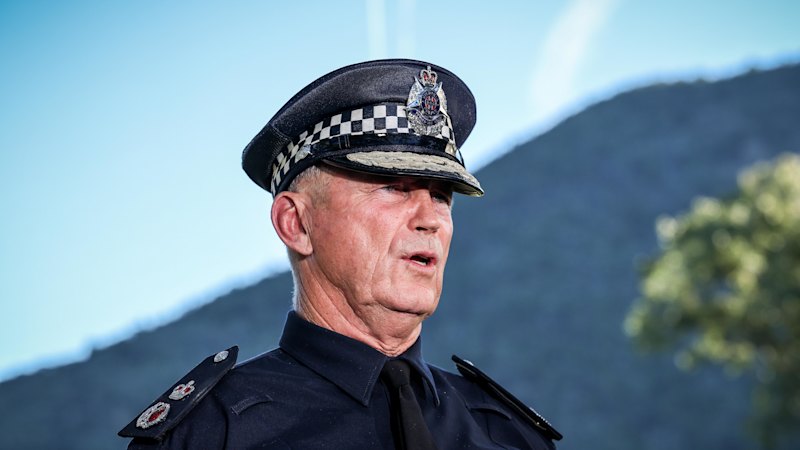
Chief Commissioner Mike Bush confirmed that police were investigating whether Freeman was being assisted or harboured by supporters hours after Freeman was gunned down at a property in Thologolong in north-east Victoria.
Bush said it was likely that Freeman had help during the seven months he was on the run after he shot dead two police officers who were attempting to serve a warrant on him at a property in Porepunkah.
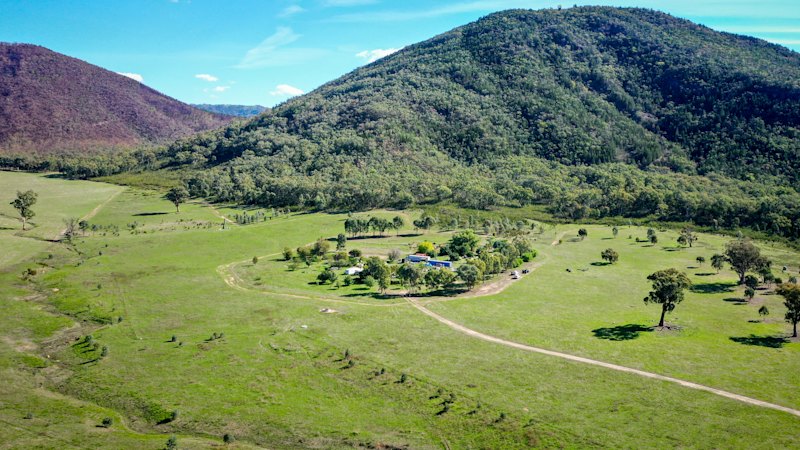
The property where Freeman was found is nearly 200 kilometres from where he was last seen by authorities in Porepunkah in August last year.
“It would be very difficult for him to get where he was without assistance,” Bush said.
“We will be speaking to anyone we suspect has assisted him in avoiding detection and arrest.”
All people connected to the sprawling rural property in Walwa will be questioned by police about any connections to Freeman.
Bush said nobody else was present at the property when police confronted Freeman this morning, but any person connected to it would “form part of ongoing investigation”.
He added that while Freeman had been the only person at the property for at least 24 hours before the shooting but “that doesn’t mean they haven’t been in the past”.
“[It is] very important for us to understand how long he’s been here and who else was complicit in getting him here, and then caring for him or providing him with food and other things to this point,” Bush said.
“We will be speaking to anyone we suspect has assisted him to avoid detection and arrest.”
He said that those who were found to be complicit in helping Freeman escape or harbouring him would be held to account.
Police Association of Victoria secretary Wayne Gatt also issued a warning to anyone who might have harboured Dezi Freeman during his time on the run.
“Our members will chase every rabbit down every burrow,” Gatt told reporters at a press conference in Wodonga.
Criminal law specialist Melinda Walker said that in a case such as this, any charges would fall under section 325 of the state’s Crimes Act.
This includes cases in which a person has committed a serious indictable offence and another person, who knows or believes them to be guilty of this “principal offence”, acts with the purpose of assisting with their escape from authorities or impeding their apprehension, prosecution, conviction or punishment.
“Where the principal offence is the most serious offence, being life imprisonment, then that person [who assists them] could be liable to a penalty of a maximum of 20 years if they are found guilty,” Walker said.
Earlier this month, Victoria Police said it was not intending to charge the wife of Freeman with obstructing a police investigation into the fatal shooting of two police officers at Porepunkah, after the Office of Public Prosecutions found there was insufficient evidence to support a conviction.
At the time, police confirmed that they had interviewed Amalia Freeman, 42, and a 56-year-old man from Porepunkah in relation to the offence of “indictable obstruction of police” by detectives from Taskforce Summit, but the brief of evidence had not been authorised by prosecutors.
A police spokeswoman said the briefs were independently reviewed, which also determined a prosecution was unlikely.
A third person had been interviewed regarding an attempted theft but would also avoid charges, according to the spokeswoman, who said any further information received by detectives involved in the case would be “thoroughly assessed and acted on as appropriate”.
Immediately after Freeman’s disappearance, police repeatedly warned sympathisers not to help the fugitive.
Superintendent Brett Kahan used a press conference to issue a blunt message.
“People know the whereabouts of the person who has killed two cops,” Kahan said. “People have chosen, for whatever reason, not to come forward. I’m taking this time to appeal to you to come forward.
“You are committing an extremely serious crime by harbouring or assisting in the escape of Dezi Freeman.”
Kahan said police believed Freeman, a self-proclaimed “sovereign citizen” who changed his surname from Filby, had a wide support network.
He said that the offer of a surrender plan made to Freeman immediately after the murders would be extended to any potential accomplices.
“Take up that offer, by whichever means you like, whether it be [calling] triple zero or otherwise,” he said. “We will formulate a surrender plan.”
Start the day with a summary of the day’s most important and interesting stories, analysis and insights. Sign up for our Morning Edition newsletter.


