


Notably, the channel sampling kicked-up a total heavy minerals package comprising eight heavy minerals for an eye-opening return of 32.8, 29.4 and 32.9 per cent of the dense minerals, widely used in products like paints, electronics, plastics and solar panels. The rare earth oxides could potentially find their way into high-temperature magnets for wind turbines and electric-vehicle motors.
Osmond is eyeing the possibility of having a trio of minerals to eventually bring to market. In addition to rare earths, the in-demand mineral titanium, in the form of rutile and ilmenite, could attract plenty of attention if a sizeable resource is proven, as could a potential zircon supply, widely used in ceramics and many other industrial uses.
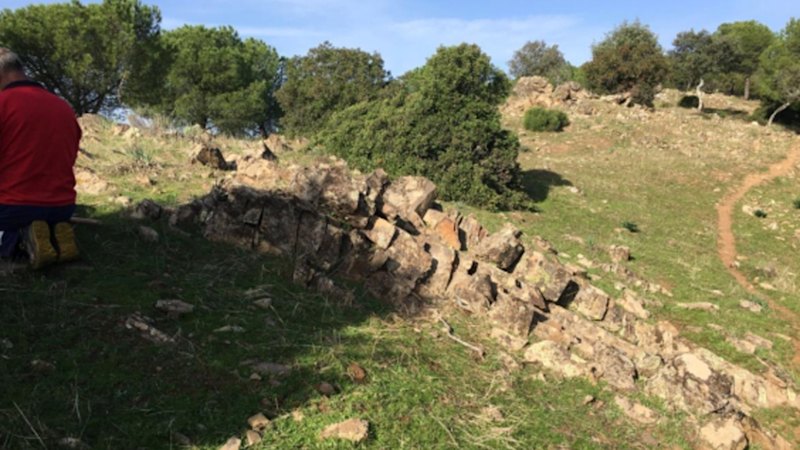
Recently, the company extended the mineralised reach at the project, with step-out drilling about 9.5 kilometres to the northwest again hitting rutile, zircon and rare earths-rich monazite in the same quartzite-rich layers. It confirms Osmond’s view that the Pochico Formation hosts multiple, laterally continuous layers enriched in valuable heavy minerals and has the potential to host a major critical minerals deposit.
Drilling has now confirmed that critical metal mineralisation runs continuously across several kilometres, linking together multiple rich zones of critical metals considered to be key minerals for industry and classified as “critical” under the European Union’s 2024 Critical Raw Materials Act.
Osmond is aiming to define the thickness and grade of the mineralised layers at the project and propel the company towards a maiden resource and scoping study in the first half of next year however one thing seems certain…..it isn’t going to be small.
Is your ASX-listed company doing something interesting? Contact: mattbirney@bullsnbears.com.au
