









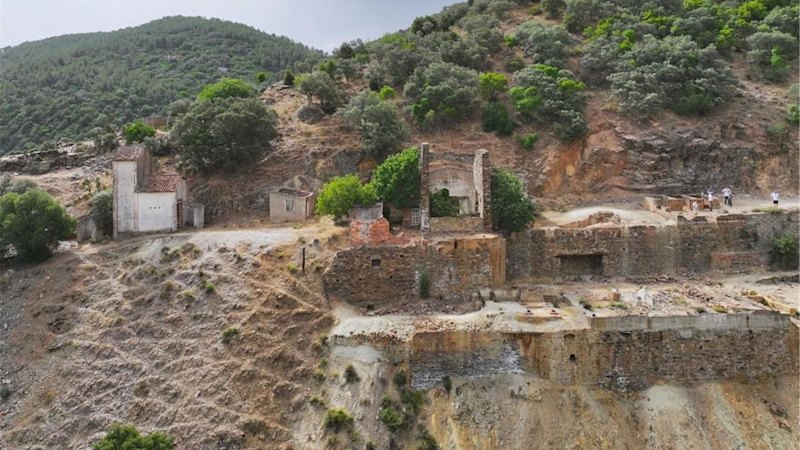

A key attraction of the system is that the mineralisation is stratabound, occurring within predictable, relatively flat-lying layers. Where the quartzite unit crops out at surface, it can be traced along strike, simplifying exploration compared with many structurally complex hard-rock deposits.
Orión EU hosts a suite of minerals listed as critical raw materials by the European Union, including rutile, zircon and monazite — the primary sources of titanium, zirconium, hafnium and rare earth elements.
Titanium is a cornerstone metal for aerospace, defence and medical applications, while zircon and zirconium play vital roles in ceramics, refractories and nuclear technologies. Hafnium, which rarely occurs in economic concentrations, is prized for use in nuclear control rods and high-temperature alloys.
Adding further upside, the project contains both light and heavy rare earth elements, including magnet metals such as neodymium, praseodymium, dysprosium and terbium – key inputs for electric vehicles, wind turbines and other clean-energy technologies.
With China’s export restrictions heightening Europe’s urgency to secure local critical mineral supply, Osmond’s Spanish discovery is emerging as a strategically important asset.
Resource definition, scoping studies and flowsheet development are scheduled through the first half of 2026, as the company works to fast-track what is shaping up as a potentially significant European critical minerals project.
Is your ASX-listed company doing something interesting? Contact: mattbirney@bullsnbears.com.au


