








One in three children have been prevented from playing a contact sport because of a parent’s concerns about concussion, as uncertainty around the long-term effects of traumatic brain injuries risks depriving a generation of the benefits of physical activity.
Parents, clubs and junior leagues across the country are grappling with a growing and sometimes conflicting body of evidence linking repeated head injuries in contact sports, such as rugby or Australian rules football, with long-term neurological conditions.
In the first peer-reviewed study analysing parental attitudes towards concussion, published by the CSIRO on Friday, one in three parents conceded they knew very little about the injury.
One in five said they would struggle to recognise symptoms or manage their child’s recovery if they sustained a concussion.
Lead author Vanessa Rausa, a clinical neuropsychologist and PhD candidate at Melbourne’s Murdoch Children’s Research Institute, said it was important to understand how parents felt about concussions because of the crucial role they played in identifying and managing symptoms.
“Children are often reliant on their parents to recognise a concussion, to seek healthcare and to manage the recovery,” Rausa said. “If we identify the injury early, and we manage it appropriately, that’s best for … optimising recovery and reducing the risk of delayed recovery or persistent symptoms.”
Concussions are a traumatic brain injury most often caused by a direct blow to the head or a rapid movement of the brain within the skull.
Rausa said the study was unique because it looked at concussion attitudes in the community, rather than data from emergency departments, where much of the research on paediatric head trauma has been focused.
Her team found one in seven adolescents covered by the survey had been diagnosed with a concussion by a doctor.
Despite parents being most concerned about the risk of concussion in sport, most of the injuries they reported in the survey were sustained either at home or at school.
One in three reported concussions among five- to 11-year-olds occurred at home. For those 12 years and over, almost half of concussions happened at school, 16 per cent at home and 25 per cent “elsewhere” (including playing sport).
Rausa said media coverage of concussion, particularly in professional leagues, may have fuelled anxiety about playing contact sport among parents and their children.
One in three children were prevented from playing contact sport due to concerns about concussion. But parents were also preventing their children from non-contact activities such as playing in the park, riding a bike and running
“That was surprising and concerning, given the many benefits of physical activity and a lot of evidence on kids’ sedentary lifestyles leading to poor health outcomes,” Rausa said.
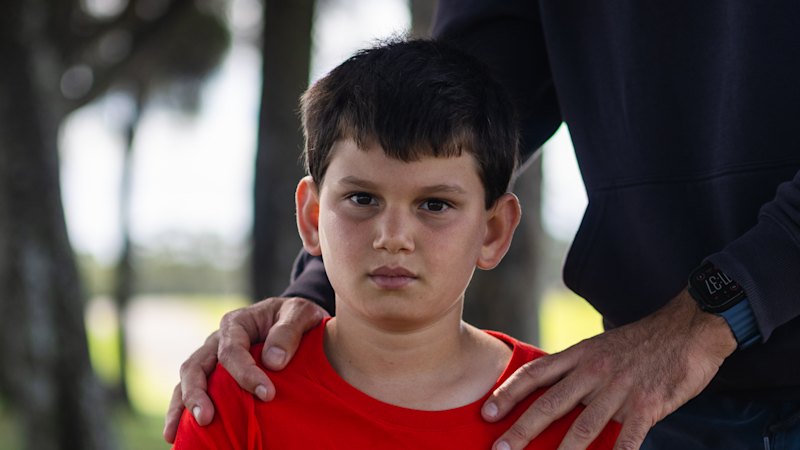
Harry Loebenstein’s 10-year-old son, Oscar, sustained a concussion while playing for the Maroubra Saints AFL team, based in Sydney’s east, last year.
It took Loebenstein several minutes to realise it was his son lying on the ground, but by the time he had rushed onto the field at Maroubra’s Heffron Park, the game had stopped and club officials had taken control.
Oscar regained consciousness, but the team’s officials insisted on keeping the 10-year-old still and bracing his neck until the ambulance arrived and took him to the Sydney Children’s Hospital at Randwick.
“The club just took control,” Loebenstein said. “It’s a nice thing to not have to make those decisions because if you get it wrong, then obviously things can get a lot worse, very quickly.”
Oscar was kept under observation at the children’s hospital for four hours before being discharged with instructions to take a few days off school, reduce screen time and avoid contact sport for a month.
Loebenstein said the ordeal demonstrated how differently concussions were treated now compared with his own playing days, which gave him the confidence to allow Oscar to play again this season.
“I probably would have slung him over my shoulder, moved him to the side … [and] sat him on an iPad for the rest of the weekend, which would be the worst thing,” he said.
He said parents uncertain about allowing their child to play contact sport should ask prospective clubs about their concussion protocols.
“Injuries are an inherent part of any sport, but also sitting on the sidelines and doing nothing can have other detrimental effects as well to your health and mental wellbeing,” he said.
Sport injuries account for more than half of all hospitalised concussions in children aged between 10 and 15 years, an Australian Institute of Health and Welfare analysis found.
Australian rules football contributed to 18 per cent of all sport-related concussion hospitalisations, followed by cycling (17 per cent).
The AFL’s community clubs, junior and state leagues have a mandatory 21-day stand down period for any player who has sustained a concussion. The period is 19 days for junior rugby league, and 21 for junior rugby.
A spokesperson for the NRL said its focus was allowing children to play sport in a fun and safe way.
“At grassroots level, there are safe-play policies in place as well as alternative versions of the sport, alongside one of the most comprehensive head-injury policies and procedures in sport,” they said.
The AFL and numerous local sporting clubs did not respond to interview requests for this story.
Brain Injury Australia director Mukesh Haikerwal said living in a litigious society deterred organisations from speaking about concussions, even if boasting about their good practices.
“People don’t really want to put their heads above the parapet and say, ‘this is what we do, this is how we do it, and we take the kids off the field, but parents might not like it but we have to do it’ because it seems authoritative and dramatic,” Haikerwal said.
“But actually, these things aren’t about being authoritative and dramatic. It’s using science and information and the right way of doing things, and it’s being cautious and safe for the kids and those around them.”


