








Loading
The documents reveal that as recently as September last year the Broken Hill lead response group was lobbying treasury for increased funding to cover existing blood screening and remediation programs, and expand services to offer in-home support for families affected by lead.
A 2024 survey of lead exposure risks by engineering firm Ramboll found significant data gaps for air, soil and water pollution and recommended an expanded dust-monitoring program to pinpoint the sources of lead contamination, including “potential for mine sites to be a continuing source”.
Cate Faehrmann, the NSW Greens upper house MP and mining spokeswoman who requested the documents, said the report was further evidence current mining continues to drive elevated blood lead levels in Broken Hill.
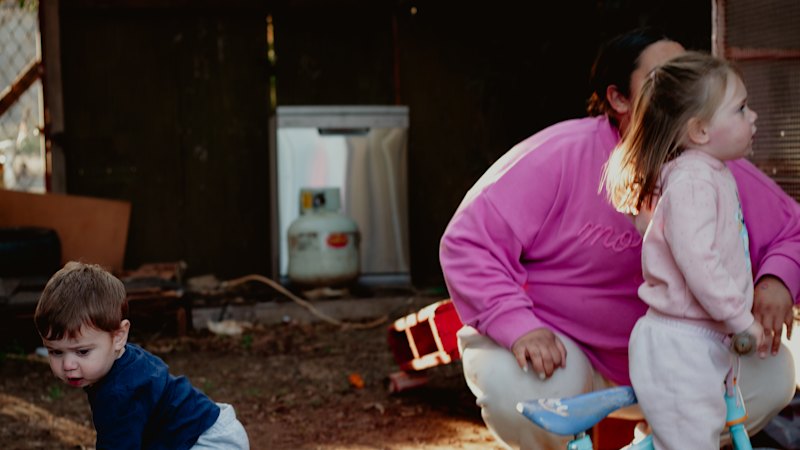
“The government is well aware that silver, lead and zinc mining in Broken Hill is causing lead poisoning in the community, particularly in First Nations children,” Faehrmann said.
Premier Chris Minns, whose department has coordinated the Broken Hill lead response since 2023, did not respond to a request for comment. He told the health budget estimates committee last month that funding for lead programs in Broken Hill “remains consistent with the previous year’s budget”.
Start the day with a summary of the day’s most important and interesting stories, analysis and insights. Sign up for our Morning Edition newsletter.


