


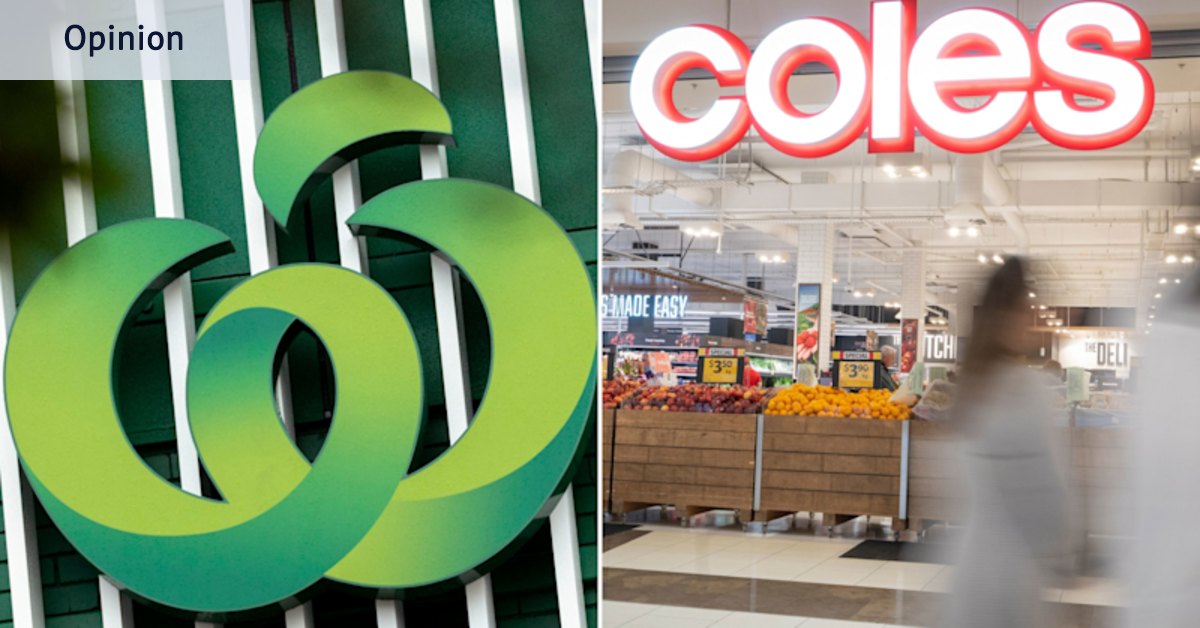
The hip-pocket impact of the Iran war is moving from the petrol pump to the supermarket aisle. The price of milk has jumped at Coles and Woolworths, and experts say we’ll inevitably face higher food inflation in products from bread to fresh vegetables to eggs.
There’s bound to be plenty of scepticism in the community about just how much these hikes are justified, as always. This questioning will probably be particularly focused on Coles and Woolworths, which have been under intense scrutiny from politicians, the public and the consumer watchdog over the “fake discounts” case.
Grocery inflation will also be one of the most important issues for investors in our biggest supermarkets when Woolworths unveils a quarterly result on Thursday, followed by Coles on Friday.
So, what’s behind the predictions of supermarket prices going up? And is this likely to deliver a big bottom-line boost to Coles and Woolies?
Despite US President Donald Trump’s highly uncertain ceasefire with Iran, there’s no doubt that inflation is now going to be higher because of the war, and the hit goes beyond fuel prices. Food is high on the list of products that are likely to get more expensive, for several reasons.
First, supermarkets and farmers both need to transport their goods, and those transportation costs have already shot up thanks to the surging price of diesel. Second, farmers need fertiliser, and that’s also surged in price, which could further raise supermarket suppliers’ costs. Over the longer term, higher fresh food prices are also likely to feed into higher prices for dried food.
No one really knows how much prices might rise. That depends on how long it takes for the conflict to end and for supply lines to be reopened.
But some amount of inflationary damage is already locked in. Morgan Stanley analysts forecast food inflation of about 4 per cent a year, instead of the 3 per cent that would have happened without the war.
Investors are trying to figure out how much that might benefit Coles and Woolworths’ bottom lines, because history would suggest that a burst of inflation is good for supermarket profits.
Jarden analysts have crunched the numbers on energy shocks since the 1990s and found they had indeed led to higher food inflation and supermarket sales.
However, retail analysts say the big players probably won’t see a spectacular rise in their profits from this particular inflationary shock, even if their sales go up and profits edge up a bit.
That’s because there are particular factors at play that should dissuade Coles and Woolworths from seeing the current rise inflation as a chance to markedly increase their profits, even though that may be what their shareholders would want.
The first reason for supermarket restraint is their tarnished reputations with customers: something we’ve been repeatedly reminded of for the past week, in the competition watchdog’s “fake discounts” case against Woolworths (the case against Coles ran in February).
Coles and Woolworths are defending the Australian Competition and Consumer Commission’s claim that they misled customers by offering discounts that were in some cases higher than prices charged a few weeks earlier. But some damage to their brands has already been done, whatever the Federal Court rules, and companies will want to rebuild trust.
As Morgan Stanley analysts recently put it: “We think the supermarkets will be more cautious this cycle on taking margin on incremental price increases, given ongoing regulatory scrutiny around price setting behaviours, which is currently being explored in a Federal Court case against [Coles/Woolworths].”
The court action is only the most recent public scrutiny of the supermarkets’ behaviour: there was also a Greens-led Senate inquiry in 2024 and a union-backed inquiry into price gouging by former ACCC boss Allan Fels.
These inquiries failed to produce a smoking gun, but they still affect public perception. So you’d have to ask, is this the environment for supermarkets to risk being branded as “gougers” again by enthusiastically passing on higher inflation in a way that also boosts profits?
Brand damage isn’t the only risk, either. Even though our supermarket sector is concentrated and dominated by two behemoths, they can’t afford to ignore a big competitor known for its sharp prices: Aldi.
The first reason for supermarket restraint is their tarnished reputations with customers.
With inflation on the rise, there are only so many ways shoppers can save: cutting back on non-essential goods, switching to cheaper brands, or trying to shop around more. This more thrifty mindset is likely to be good news for Aldi, and Woolworths and Coles won’t want to give shoppers more reason to shop at their German rival.
So, there are genuine business reasons why Coles and Woolworths may need to absorb some of the pressure from inflation, as well as passing some of it on to their customers and asking suppliers to cop some pain.
That’s the view of some analysts, who say it’s an opportunity for the companies to rebuild brand trust with their customers.
Jarden analyst Ben Gilbert says that in theory, rising inflation should benefit supermarket profits, and past energy shocks had led to higher supermarket sales.
But Gilbert says Australian supermarkets are facing intense pressure from governments and the public over their prices, which could make them hesitant about delivering bumper increases in profit. Stiff competition from Aldi could also prompt Coles and Woolworths to emphasise “value” to their customers.
Supermarkets are well aware of the risks of aggressive price rises. Inflation can’t be fully absorbed by the supermarkets’ profits, but they’re also likely to carefully consider every supplier’s request for price rises.
Just as Australia’s banks risk a public backlash if they’re seen to be dudding their customers when interest rates move, the supermarkets know they can easily be portrayed as corporate villains during inflationary spikes.
It’s time for them to have their shareholders absorb some of the hit from inflation, as well as their customers and suppliers.
The Market Recap newsletter is a wrap of the day’s trading. Get it each weekday afternoon.
 Clancy Yeates is deputy business editor. He has covered banking and financial services, and was previously national business correspondent in the Canberra bureau.Connect via X or email.