


Loading
Former prime minister Malcolm Turnbull commissioned Snowy 2.0 in 2017, declaring a completion deadline of 2021. But his price tag of $2 billion was announced before a feasibility study was complete. Once the report was in, the cost was placed at $6 billion.
Snowy 2.0’s price tag ballooned again in 2023 to $12 billion, and the deadline blew out to 2028.
The latest price rise will not be known until the assessment is complete, but Barnes is adamant the December 2028 completion deadline is on track.
“The project has generally been progressing well and is now 67 per cent complete,” he said.
Snowy Hydro uses surplus electricity to pump water from a reservoir at the bottom of a hill to the top, from where it will be released to flow down and spin turbines.
It can supply power on demand when the grid needs it most, supplying back-up for renewables when the wind isn’t blowing and the sun isn’t shining.
Snowy 2.0 is a massive upgrade to the existing Snowy scheme – taking total generation capacity to 375,000 megawatt hours, or enough to power 3 million homes for a week.
However, some energy experts question the wisdom of staking the security of the renewables rollout solely on one mega-project and argue that multiple smaller projects would be quicker, cheaper and less risky to build.
“Snowy 2.0 is a critical project to Australia’s energy future,” Climate Change and Energy Minister Chris Bowen said, following news of the review.
“This costs reassessment is disappointing, and the government will be scrutinising its findings.”
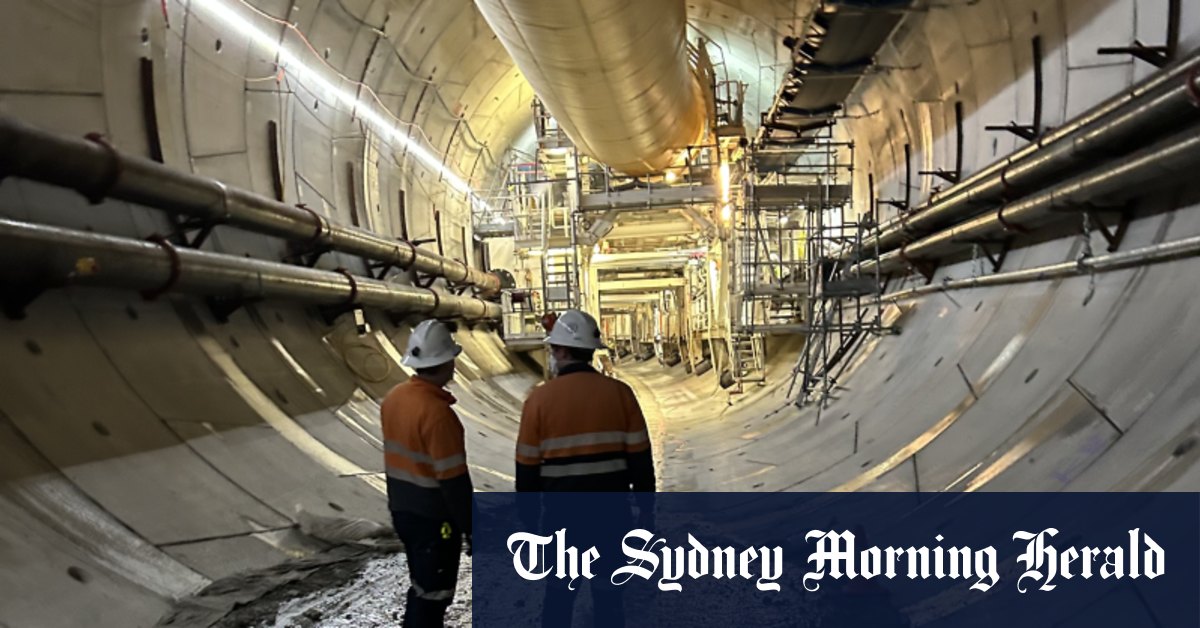
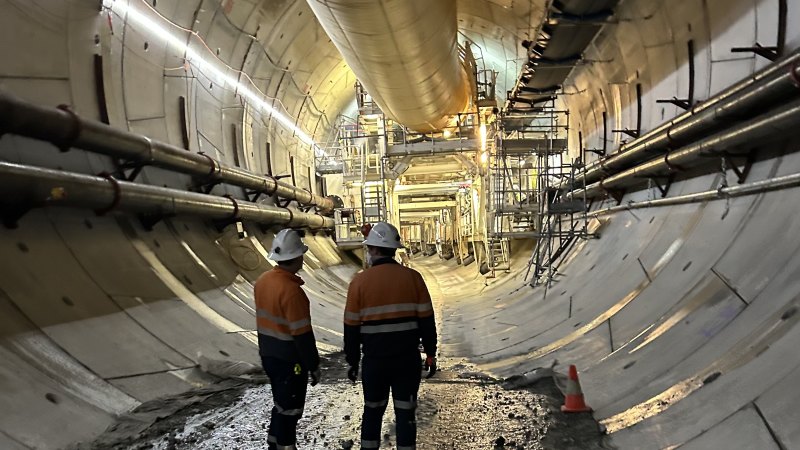
Florence is one of four boring machines excavating the project, along with Lady Eileen, Kirsten and the most recent addition, Monica, which was named after Tumut high school student Monica Brimmer, 15, who won an Indigenous art and storytelling competition linked to Snowy 2.0.
