






Despite the government’s best efforts, Australians simply won’t move on from the federal budget. A fortnight out, it’s still news – online and in traditional media channels. The government has, inadvertently, created a conversation about something we had all but stopped talking about as a society: whether we are individuals who agree to act collectively, or a collective which agrees to dispense carve-outs to individuals.
It’s the conversation politicians haven’t wanted. In recent years – particularly during the Morrison and Albanese governments – both major parties have been inclined to the view that the citizenry serves the government which, in turn, dispenses favours as it sees fit. That’s now in tatters. The 2026 budget exploded what One Nation likes to refer to as the “uniparty” consensus, pushing the major parties back into their traditional ideological corners, preferring the individual – the Coalition – or the collective – Labor.
It’s also exposed the high-wire act attempted by the teals, who try to be both and end up as neither. One Nation is smug, seemingly unaware that it is seconds from exposing its own great weakness: an unresolvable policy contradiction at the heart of its platform.
The government, which rather favoured the major-party status quo, is responding with the traditional toolbox of tactics to try to move us on. In the past, it’s been able to rely on the media attention span to push inconvenient scrutiny back into the lonely corners of the internet, where policy nerds battle each other.
Feeding in new headlines is one way governments try to control public discussion. In February, ISIS brides were the Albanese government’s greatest problem. Back then, much to the amusement of cynical media observers, the government’s panicky media unit dusted off high-speed rail in an attempt to drive the arrivals off the front pages. Now, it seems, Albanese is rather glad of the distraction a new wave of arrivals has created.
Giving the news cycle an extra shove, the government has announced a $2 billion lawsuit against 3M’s “forever chemicals” – to the great surprise of those affected. As one of them told this masthead, “we went for so long with people telling us ‘there’s no health impacts from the chemicals, there’s nothing to see here, you don’t really have to worry about it, everybody’s got it in their blood’. Now, all of a sudden … ‘yes, we have a major problem, it’s costing us a lot of money, and we’re going to recoup it’.” Of course, the lawsuit is newsworthy, but the timing is also undoubtedly part of that news.
Everything that’s been done to reset the budget debate has failed or backfired. WA Labor senator Ellie Whittaker deployed a giraffe and a zebra toy on Instagram to explain negative gearing “how I’d explain it to my toddler”. That set off a candy-coloured cascade of condescending reels, including in The Guardian and the ABC, to counter the bitter humour of businesses making memes of Albanese as a lazy silent partner on the take. The videos themselves became a target of ridicule as Australians pushed back on the infantilisation.
So this week, the government pulled out the big guns and tried to tackle the concerns head-on. Despite treasury and ministerial offices swearing blind that it was not their practice to share modelling when I rang around the day after the budget to find the assumptions beneath some figures, Treasury secretary Jenny Wilkinson was wheeled out this week with “newly released Treasury modelling”.
It hasn’t stuck. Modelling can be made to show just about anything – it’s the assumptions that matter. Economists have zeroed in on Wilkinson’s admission that the budget hiked taxes because “revenue needs to be raised from somewhere”.
This headline has travelled further. It served as a reminder that instead of the government doing the hard yards on budgeting and governing in a world of trade-offs, it and public servants often lapse into treating the private sector as being there to support them rather than the other way around.
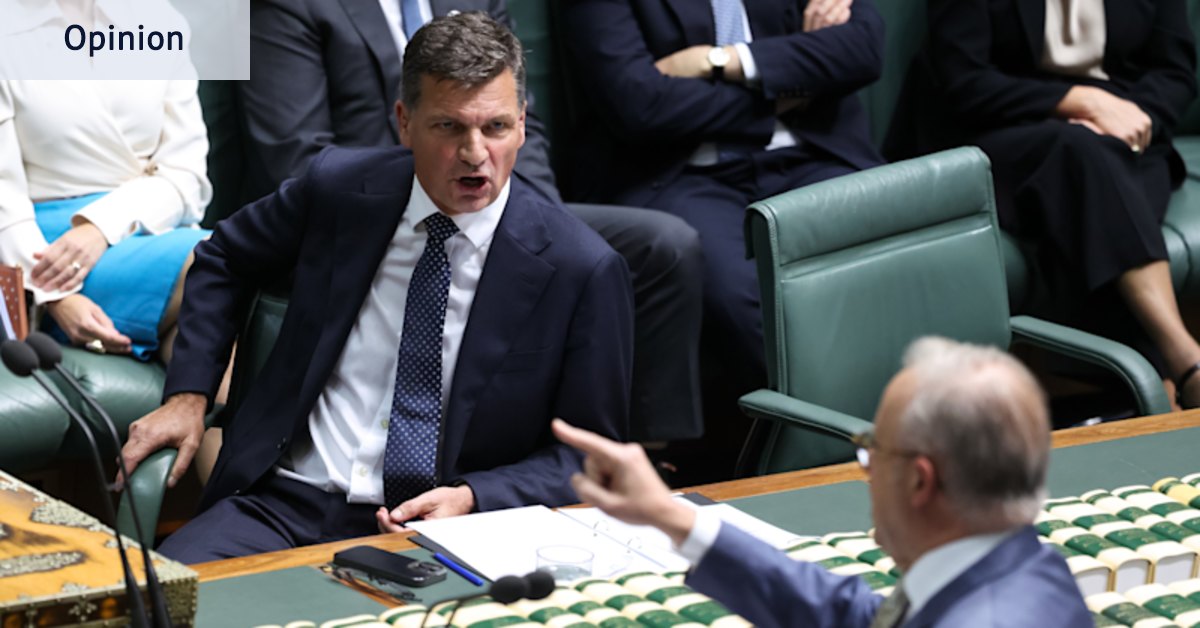
The worst has happened from the government’s perspective. The debate over whether we, the people, serve, or are served, has made the leap from policy debate to cultural chatter. Albanese’s talk of “carve-outs” from the tax changes for certain industries is underscoring the sense that government is now a system of patronage. The government grants taxpayers a portion of their income at its discretion, rather than being forced to justify what it takes.
For now, the new framing is helping One Nation most. Pauline Hanson is mopping up voters who’ve long felt politicians conceive of themselves as masters, not servants. But as the party becomes more prominent, its attempts at policy remain piecemeal and patchy.
The bifurcation of politics back into opposite philosophies brings the protest party closer to the big reveal: the inherent tension at its core.
On the one hand, One Nation demands a return to national sovereignty; on the other, its supporters fundamentally reject the institutions and bureaucracies required to manage that centralised concept.
Fear of the populist party has forced the major-party political pragmatists out of their managerial comfort and back to the ideological barricades. But how the populists themselves can offer anything other than a version of the managerialism they have disrupted remains unclear. There is only so long cultural annoyances about “woke” issues will continue to conceal the challenge ahead, if One Nation is ever to become a party of government.
The emerging order in politics is disorder; everything is up for negotiation, it seems. In the first instance, that means power is back in the hands of the people to decide what kind of society they want. The question is whether they’ll choose to act collectively, or doomscroll back into collective apathy.
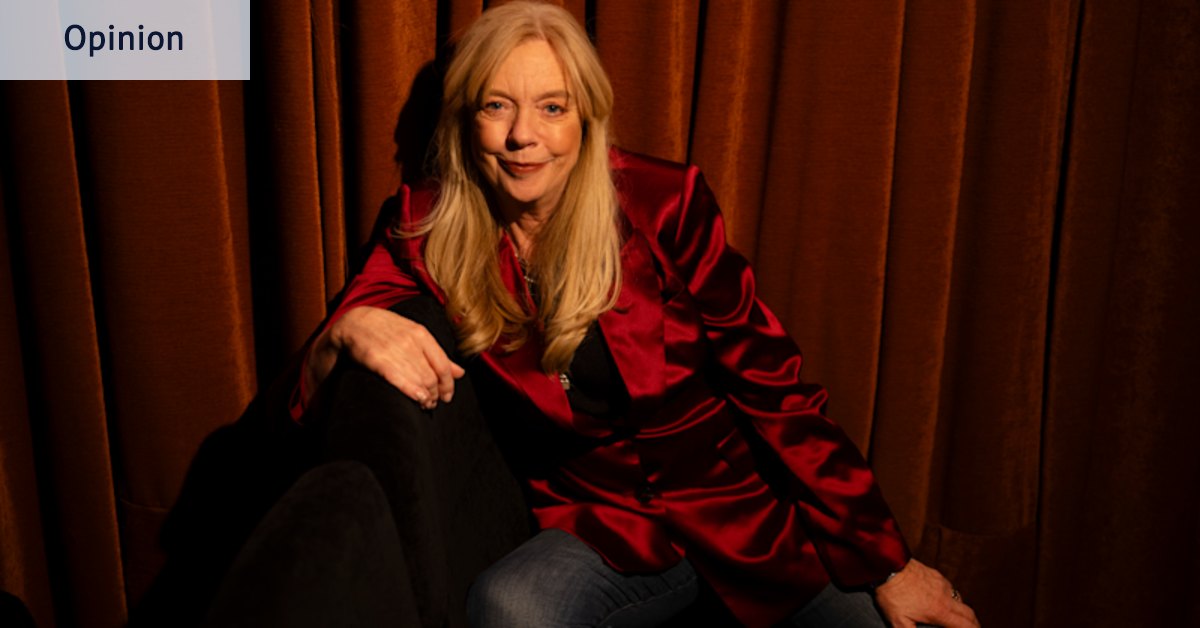
Parnell Palme McGuinness is an insights and advocacy strategist. She has done work for the Liberal Party and the German Greens and is a senior fellow at the Centre for Independent Studies.
Get a weekly wrap of views that will challenge, champion and inform your own. Sign up for our Opinion newsletter.


