





[ad_1]
Malthouse Tavern was heaving when a bartender picked up the phone to call a taxi for a drunk woman at the bar.
The woman had been sitting at the Balga pub for most of the afternoon drinking and chatting to other patrons, but as midnight approached it was clear she’d had a bit too much.

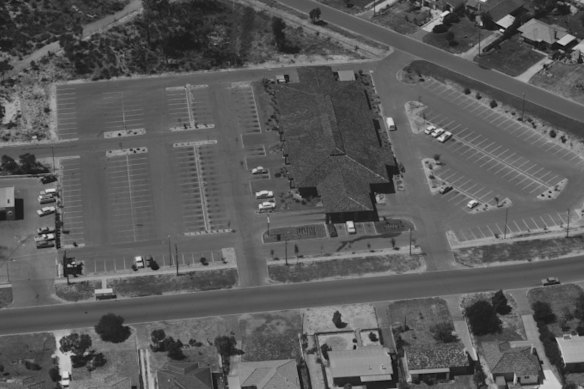
It was the night before the WA Football League’s grand final, the crowd was restless and scattered, and a fight had broken out in the nearby car park as a barman ushered the woman out the front door.
She tottered into the car park with two beer bottles in a brown paper bag clutched in her hands to wait for her lift.
Police have never been able to say for certain if she got into a taxi that night. But they can say Gwenneth Graham’s body turned up nine days later.
50 years with no answers
The murder of Gwen Graham has remained unsolved for more than 50 years, and currently sits with WA Police’s cold case unit.

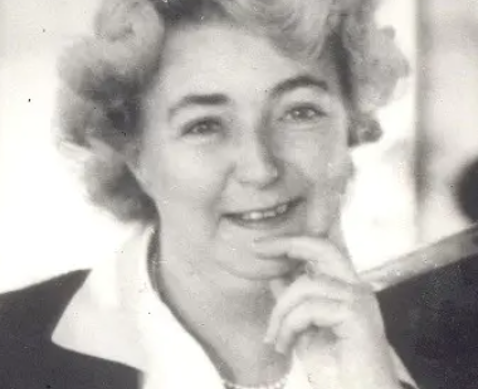
The case involved canvassing 4000 people, checking hundreds of cars and interviewing dozens of people of interest, but no one has ever been charged over the 46-year-old’s murder.
There are hopes a new $1 million reward could be the missing piece that finally helps detectives solve her death.
“Police continue to believe that someone in the community knows what happened, and it is time for that information to be shared,” a WA police spokesperson said.
“Her death was a devastating act of violence, and those responsible have never been held to account.”
A funny, quick and modern woman
Graham had two children before she was murdered.
She had been married a total of three times, and her eldest son, Steven, was from a relationship with motorcycle mechanic Bill.
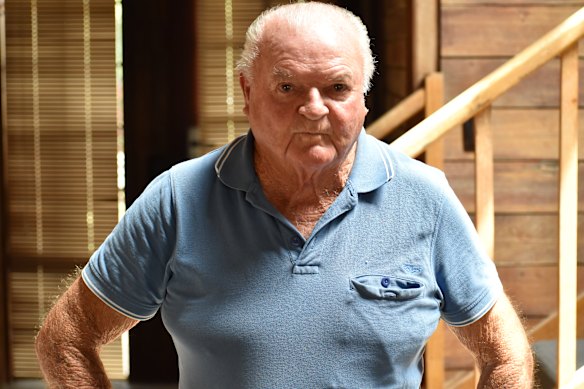
“She was loving,” said Steven Wrightson, now 77 years old.
“She made me feel really loved.”
Wrightson has memories of sitting around with his mother while his father was at work, listening to their radio to pass the time.
He remembers her as warm, funny and charming – but also much more than a mother.
Records indicate when Graham – then named Gwen Murray — lied about her age to join the Australian Army in an administrative role.
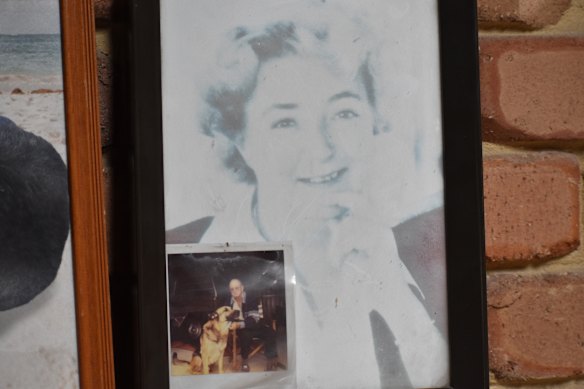
She was also always on the move. She lived in Perth’s inner and outer suburbs, and even resided in the regional town of Geraldton for some time.
Wrightson, who strongly resembles his mother, said he was just six years old when his parents broke up, and he was forced to mainly stay in touch with her through letters and the occasional run-in on the streets of Perth.
He recalls visiting her in her new home in Balga for lunch at her state housing home.
“She had a nice little place,” Steven said.
“She kept a nice, very, very clean house, and she was a good cook.
“That was the last time I saw her until I found out about what happened.”
Bush in the city
Back in 1974, Balga was a patchwork of state housing, campsites, swamp, dirt tracks and bushland.
Children roamed freely, and wild horses and dogs would come and go as they pleased. The local pub was a central meeting point, as was the Balga Bazaar. One local remembered Balga as a typical pit stop for people moving in from the outback to the city.
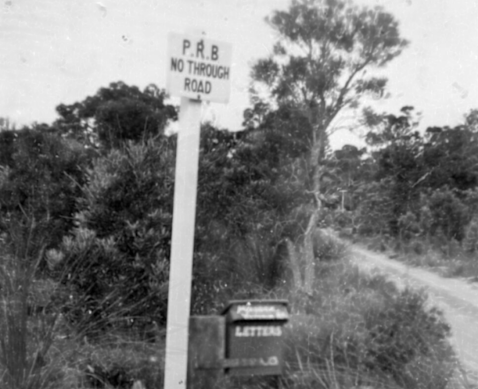
“The street we lived in – we knew the neighbours on both sides, and we knew the people up the street. I was always outside running around looking for something to shoot with my brother,” he told this masthead.
“We played cricket, had running races, and all sorts out on the streets … it was a very new area, and it was just being established.
“It was all bush and dirt. But, paradise for a kid.”
Another remembered the sense of safety the suburb had for local kids.
“Back in the 70s, everyone knew everyone. I knew everyone on my street … I felt very safe there and I loved it. We were surrounded by bush.”
New to the neighbourhood
Graham was relatively new to the area in September 1974, and was living on Felpham Avenue in Balga with her husband Tom, where the couple had plans to buy the state housing property they lived in.

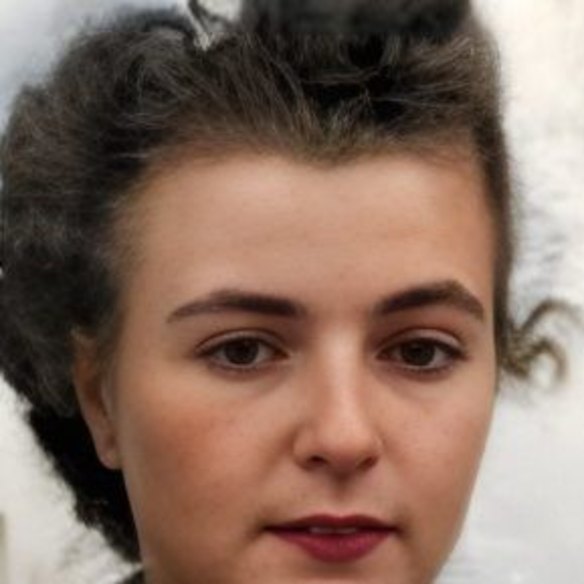
Tom worked at a nearby confectionary store making marshmallows and chocolate. He was Graham’s third marriage at the age of 46.
By today’s standards, the couple would have been considered as being in an open relationship, and Graham would often go to bars, sometimes disappearing for weeks at a time.
Tom – who was 10 years her senior – seemed unbothered by the arrangement.
On the night of her murder, the couple went their separate ways. Tom, to the nearby John Barleycorn Hotel in Nollamara, and Graham to the Malthouse Tavern in Balga.
Tom later told the papers the couple had gone to different venues because Graham had previously been “warned off” from returning to the Nollamara pub, for reasons unknown.
“Instead, she went to the newly-opened Malthouse Tavern where she was not well known,” he told local media at the time.
Tom was not surprised to come home to an empty house on the evening of September 27.
All he found was a note pinned to the door: “Don’t lock me out. Just wait as usual – Blondie”.
Tom said he didn’t call his wife Blondie, and noticed later on the writing on the note had deteriorated as it went on, perhaps indicating she had already had a bit to drink by the time she left the house.
He would later find out that “Blondie” was a nickname Graham had been given by her former husband, Steven’s father Bill, years prior – a private joke between them, given her hair was actually reddish brown.
Tom wasn’t concerned.
“She had been in the habit of going off drinking and had done it several times previously,” Tom would later tell the now-defunct Daily News.
“Plenty of times she had cleared off.”
It wasn’t until four days later he lodged a missing person’s report with the local police.
“My worry had built up,” he said at the time.
Gwen’s last night
For five days after Tom made his report, his home was quiet. Graham didn’t come home, and didn’t make any attempt to make contact. Bar staff remembered walking her to the door at the tavern but couldn’t remember whether they had seen her get into a taxi or accept another lift. By all accounts, she had disappeared into the evening.
In fact, the only sign Graham had even left the pub was found on the side of the road, about a 10-minute walk away from the tavern.
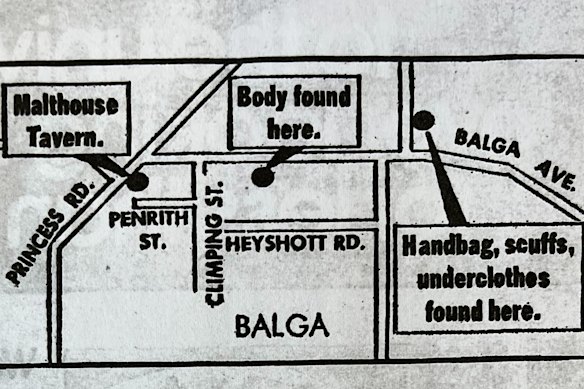
An unnamed Aboriginal woman had been walking on Redcliffe Avenue on the morning of October 2, about a week after Gwen left the pub.
She would later tell police she was walking near bushland when she found a pair of shoes discarded on the side of the road, and picked them up. Locals said they’d been lying there for about a week before the woman collected them.
She decided to bring them to a friend as a gift, and walked on.
If she had looked further, police said she would have also come across some discarded women’s underclothes and a white handbag thrown haphazardly into the shrub.
And just a few hundred metres away, she would have found a woman’s body concealed under an abandoned old refrigerator.
WAtoday is revisiting the case of Gwenneth Graham on the back of the renewed reward for information put forward by police. Part two of the series will be published later this week.
Start the day with a summary of the day’s most important and interesting stories, analysis and insights. Sign up for our Morning Edition newsletter.
[ad_2]

