



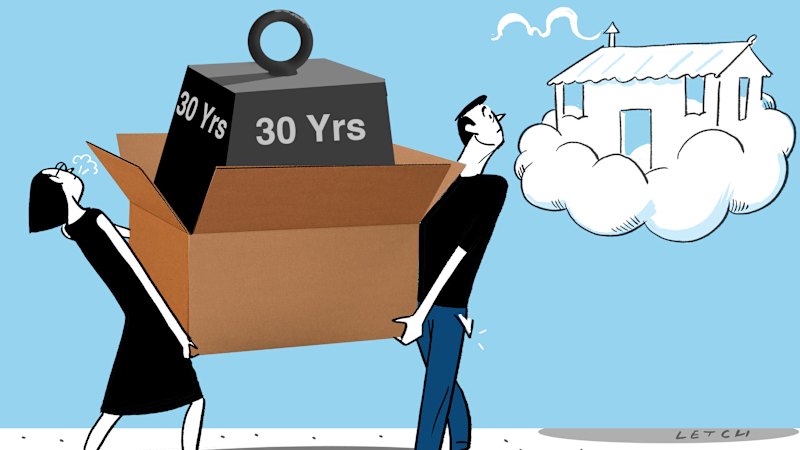
That would be OK if it didn’t have a knock-on effect. We know (but many politicians ignore) that boosting demand for a scarce resource pushes up its price. The 5 per cent deposit scheme is no different because it “helps” some first home buyers (including those who don’t really need it) to buy now rather than later.
Loading
It does nothing, though, to reduce the huge loan they will be stuck with. And for those who can’t get in early (because they’re not earning enough or can’t muster a 5 per cent deposit), it leaves them worse off because the higher demand (combined with a limited supply of houses) pushes property prices even further out of their reach.
For many first home buyer hopefuls, especially those furthest from being able to afford a home, the policy leaves them worse off. Many savings first home buyers make by avoiding lenders mortgage insurance will probably just be added by real estate agents and sellers to their asking price – they hold the power when demand outstrips supply.
To be fair, the price impact has been exaggerated by many, including Liberals who (validly) criticise Labor’s removal of the income limits and caps on the price of properties eligible for the scheme.
Of about 57,000 homes purchased last month (when the scheme was expanded), nearly 5800 were bought using the scheme – up from the 3900 at the same time last year.
That’s in line with estimates from the Treasury, which concluded the impact of the expansion would be to push up the country’s property prices by about 0.6 per cent over six years.
Sure, that’s not huge – especially when compared to the effect of other factors such as interest rates (though it’s important to remember the Reserve Bank’s role isn’t to look after house prices). But to claim that the scheme helps all first home buyers is misleading. The winners are those who already own property.
Since roughly two-thirds of Australians own at least one home, it’s not entirely surprising that our major parties are looking out for the interests of, well, the majority. And perhaps it’s why there’s so little fuss being kicked up about a policy that doesn’t really do what it says on the package.
It’s smart politics because the policy is being sold as a way to help first home buyers (some of whom will believe it, or will personally benefit from getting in early), and existing home owners continue to see the value of their properties climb.
If the government acknowledged that the scheme only helps some first home buyers, it would be more honest. But there’s rarely room for nuance in politics, nor much appetite for politicians to acknowledge where they might be wrong.
Loading
To Labor’s credit, they’re looking at housing affordability from several angles, setting ambitious targets and taking action to boost supply.
Whether they’re doing enough is another question. But Labor has invested billions of dollars into building more homes – and even ventured into the traditionally Liberal territory of cutting red tape by pausing changes to the National Construction Code in a bid to make it easier for builders to get things done.
One area both major parties are reluctant to touch is tax: reviewing the incentives in place for investors who are often buying up existing homes (driving up prices) rather than investing in building new homes. That’s a big missed opportunity to help first home buyers.
When it comes to the 5 per cent deposit scheme, the kindest interpretation for both Liberals and Labor is that their heart is in the right place, but their head is not.
Get a weekly wrap of views that will challenge, champion and inform your own. Sign up for our Opinion newsletter.
