


When domestic violence reaches the courts, another layer of experience begins for victims. As it was in my case – it can be the public telling of a very private harm.
Headlines are written, photographs taken, commentary offered. In these moments, journalism begins to shape how domestic violence is understood by the public.
At a time when our awareness of domestic violence has grown significantly and when Australian journalism has made important strides in telling the stories, the question is not whether the media should report it, but how.
There is a clear social imperative to have a collective knowledge and discourse about domestic violence. But how best to cover it to serve both the public interest and the welfare of victims and their families?
Certainly, our language around domestic violence has improved. Sensationalism is less common and outlets avoid victim-blaming narratives. Reportage is more successful in placing incidents within the broader context of gendered violence. These advances are significant and deserve recognition.
Yet the challenge of reporting responsibly remains a work in progress – I experienced this firsthand. Even well-intentioned coverage can compound harm for those involved.
My case attracted attention, given the high profile of the perpetrator. I was photographed, publicly scrutinised and interpreted at moments of profound vulnerability. Language was used which framed the violence as a “domestic dispute” or “relationship row”. These portrayals subtly reshape the public perception, implying mutual conflict rather than harm inflicted by one person upon another.
The way violence is explained matters.
Media reporting and indeed the judicial system sometimes attributes acts of domestic violence to mental illness or drug and alcohol use. These factors certainly play a role in individual cases but presenting them as the central explanation of this problem risks obscuring the broader dynamics that research has consistently identified; patterns of power, control and entitlement within relationships.
It also risks reinforcing the stigma around mental illness. The overwhelming majority of people living with mental health conditions are not violent, and framing domestic violence against this backdrop can misdirect public understanding of the problem. Similarly, describing violence primarily as the result of intoxication may undermine patterns of ongoing abuse which exist within a wider context of coercion, fear and intimidation.
As a doctor, I see domestic violence through a public health lens. Violence within families is not only a criminal justice issue; it is a complex health and social problem with far-reaching, intergenerational consequences for physical and psychological safety, mental health and children’s wellbeing. Public understanding of that matters and the media plays the most powerful role in shaping it.
Responsible journalism can illuminate the patterns of abuse that too often remain hidden. But it also carries the responsibility to avoid inflicting further injury on those already affected.
This responsibility can become particularly complex when perpetrators occupy prominent positions in public life. Rightly, public figures are subject to scrutiny, and reporting on allegations involving them serves an important public interest. Yet even in such cases, care is needed to ensure that attention does not inadvertently shift away from the experience of the violence itself and onto spectacle, reputation or personal drama.
One area where improvement is still possible is anonymity. Victims of sexual offences in many jurisdictions are granted automatic anonymity in media reporting. The rationale is clear; public identification can expose victims to stigma, retaliation and lifelong digital consequences.
Yet these protections aren’t always given automatically to domestic violence survivors.
In many cases, anonymity is not presumed. Identifying details may be published unless specific legal protections apply or a suppression order is granted. For victims navigating trauma, legal processes and safety concerns, the burden of protecting their own privacy can be significant and the personal resources required to do so, prohibitive.
I recall with horror the days following my story becoming public. Photographers following me to school drop-off from my home, inflammatory headlines inferring I was potentially to blame, photographs published clearly showing my injuries and the pursuit of salacious interviews which – given my identity was disclosed – have lasted years beyond the events. I’m speaking out now so I can take back some control of my own story.
Anonymity does not undermine the principle of open justice. Media outlets can remain transparent and accountable without publishing the identity of those who have experienced violence.
Presuming anonymity for victims of domestic violence would recognise a simple reality: survivors do not choose to become public figures. Identifying them can inadvertently expose children, reveal locations and create permanent digital records that follow victims long after court proceedings end. Also, importantly, the fear of public exposure may defer others from seeking help.
There is an opportunity for journalism itself to lead change.
A constructive step forward would be the creation of a voluntary code of conduct for reporting domestic violence – a Domestic Violence Reporting Pledge that journalists and media organisations could publicly adopt. Such a pledge would include several straightforward commitments: presuming anonymity for victims unless they choose to identify themselves, avoid language that minimises violence, refraining from publishing images of victims without explicit consent, including expert perspectives and providing context about the prevalence and dynamics of abuse. These would strengthen journalism’s role in informing the public responsibly about a serious social issue.
As society continues to confront it, the way we speak about domestic violence and the way it is reported will continue to shape our collective response. Domestic violence already strips victims of control. Consistent, responsible journalism will help ensure that reporting it does not do the same.
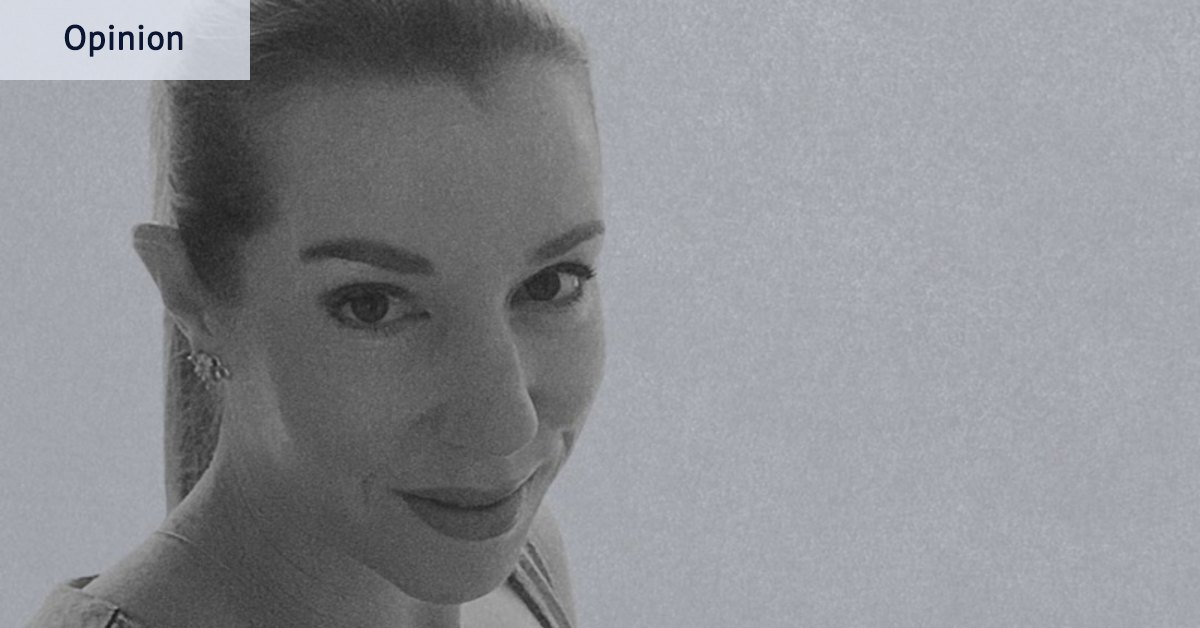
Orly Lavee is a doctor and lives in Sydney.
