









So far, tariffs – including those that pre-date Trump’s “Liberation Day” baseline and reciprocal tariffs – have raised about $US174 billion, of which about $US120 billion relates to the Trump tariffs.
The Yale Budget Lab has estimated that Trump’s tariffs, including the sectoral tariffs that are included in the Supreme Court challenge, will raise about $US2.6 trillion over the next decade if they remain in place, but after changes in consumption induced by the impact of the tariffs on prices, the net revenue generated would be $US2.2 trillion.


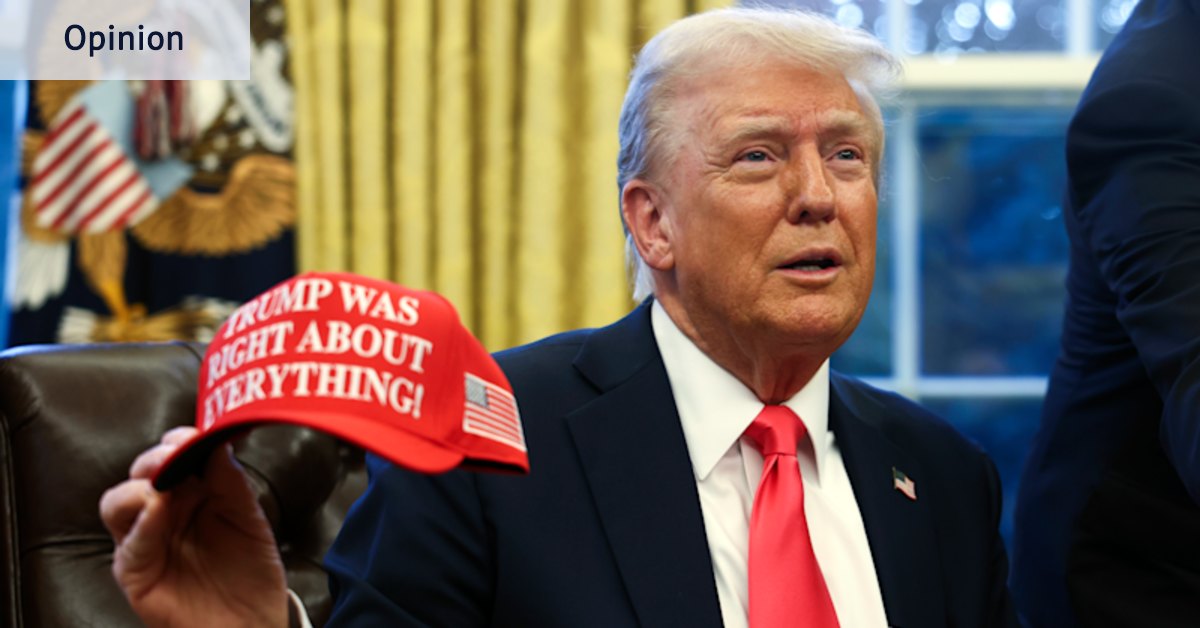
Trump’s plan to shower US citizens with cheques was light on detail. Credit: Bloomberg
New taxes – and the tariffs are effectively taxes on US companies and households – create ripple effects through the economy as businesses and households respond to the changes in their costs.
A Tax Foundation economist, Erica York, said in a post on X that “a dollar of tariff revenue offsets about 24 cents of income and payroll tax revenue,” which would mean that the $US120 billion of revenue collected from the Trump tariffs so far would generate only a net $US90 billion of additional revenue.
Because Trump hasn’t set a cut-off point for the incomes of those who would receive the “dividends,” the cost of the payments can’t be precisely calculated.
York, though, said that if the cut-off point were $US100,000, and children were excluded, it would be around $US300 billion a year.
The non-partisan Committee for Responsible Federal Budget (CFRFB) says that if the payments were made to both adults and children, excluding the top 10 per cent of income earners, each round of payments would cost about $US600 billion.
So, the tariffs would, according to the Yale Budget Lab, generate a net new $US2.2 trillion over a decade – if the Supreme Court allows him to keep collecting the baseline and reciprocal tariffs – but Trump’s dividend payments would cost between about $US3 trillion and $US6 trillion over that period.
Somehow, Trump thinks he can both pay back America’s “enormous” debt (it’s actually above $US38 trillion and rising daily) and shower households with $US2000 cheques. The numbers don’t work.
In fact, whether the cost were $US3 trillion or $US6 trillion over a decade Trump’s dividend plan would greatly exacerbate America’s already rapidly deteriorating public finances.
Trump’s tariff “dividends” are a bad idea for a raft of reasons and based, as one might expect from Trump, on a thought bubble and on “pie in the sky” premises.
The US had a $US1.8 trillion budget deficit in its latest financial year to September. The CFRFB says the cumulative deficits over the next decade will, thanks to Trump’s “One Big Beautiful Bill,” total about $US22.7 trillion.
That’s before including any impact from Trump’s dividend plan, so anywhere from $US3 trillion to $US6 trillion could be added to those deficits. US gross domestic product is about $US30.6 trillion, so the dividends would add roughly between one and two per cent to US budget deficits.
Like many of Trump’s promises, of course, the dividend cheques might never appear. The US Treasury Secretary, Scott Bessent appeared taken aback by Trump’s posts, saying he hadn’t talked to him about the plan.
He suggested that the payments might not be the direct payments Trump envisages, saying that it could come “in lots of forms, in lots of ways.”
“It could be just the tax decreases that we are seeing on the president’s agenda,” he said, referring to the big tax cuts for companies and wealthy households in the One Big Beautiful Bill, which also included the removal of some taxes on tips and overtime.
In other words, there might be no new tariff-funded dividends, which would be the fiscally sensible position for a US Treasury Secretary who saw his agency pay out more than $US1 trillion in net interest costs alone in the financial year to end-September and would know that, thanks to the One Big Beautiful Bill, that number will keep climbing.
Revenue from Trump’s tariffs might only put a dent in US deficits and won’t stop US government debt from continuing to mount, but every little bit helps.
Loading
The other aspect of Trump’s proposal, if it were ever implemented, is its impact on inflation.
Trump’s tariffs are inflationary. They continue to inch the inflation rate up (when the inflation reports are available). That rate is now 3 per cent and may well continue to rise as the full effect of the tariffs, if they are allowed to stand, flow through.
So, Trump would inject new stimulus into households where the Yale Budget Lab says the tariffs will already add 1.3 per cent to inflation in the near term, or about half that if the administration loses the Supreme Court action.
That would force the Federal Reserve Board to either hold rates steady for longer, or contemplate raising them again to blunt the inflationary effects (and undermine the value) of the dividends.
In other words, Trump’s tariff “dividends” are a bad idea for a raft of reasons and based, as one might expect from Trump, on a thought bubble and on “pie in the sky” premises.
The Business Briefing newsletter delivers major stories, exclusive coverage and expert opinion. Sign up to get it every weekday morning.


