









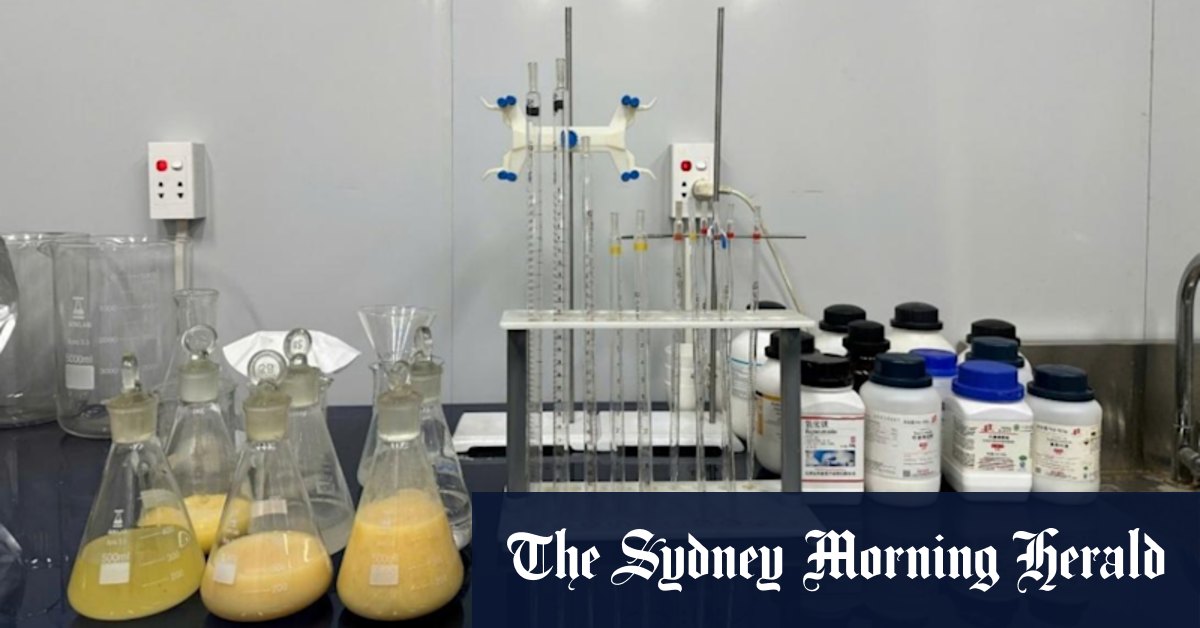

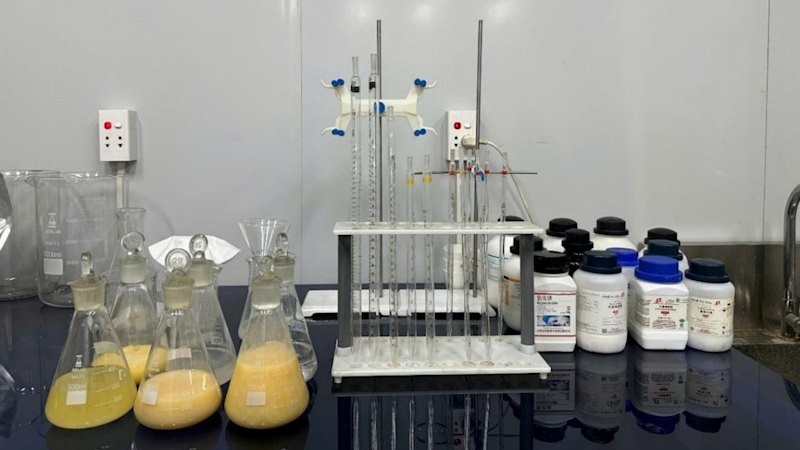
The new pilot plant will also pump out enough concentrate for hydrometallurgical test work at GAVAQ, the Sydney-based Australian Nuclear Science and Technology Organisation and specialist processing firm Minutech, allowing Critica to nail down the chemistry it needs to lock in mixed rare earth product samples ahead of offtake talks.
Critica Limited chief executive officer Jacob Deysel said: “Regardless of ore type, Jupiter consistently delivers about 95 per cent mass rejection with six- to 10-fold TREO grade uplifts under open-circuit conditions.”
The trial work also highlighted Jupiter’s magnet rare earth credentials. Intermediate concentrates contained up to 4500ppm of magnet rare earth oxides – including neodymium, praseodymium, dysprosium and terbium – alongside scandium oxide up to 171ppm.
Today’s results landed eight months after the company conducted its initial metallurgical test work and just seven months after unveiling Jupiter’s monster maiden resource of 1.78 billion tonnes grading 1651ppm TREO, including a rich 520 million tonne core running at 2169ppm.
Next on Critica’s hit list is firing up the pilot plant and locking in the leach pathway, before rolling it all into a scoping study. A completed scoping study will lead to approvals and offtake deals.
As Critica shifts gears from explorer to developer, it is tightening up the processing flowsheet and running beneficiation, hydromet and product chemistry all side-by-side. The company says it has one aim – to deliver mixed rare earth carbonate and oxide products.
At the end of the day, the figures do the talking. Unlike ionic clays that need direct leaching, Jupiter’s clay-hosted ore can shed the waste early and pack the value up front – a rare earths recipe the punters may find hard to ignore.
Is your ASX-listed company doing something interesting? Contact: mattbirney@bullsnbears.com.au


