









Melbourne Lord Mayor Nick Reece’s marquee plan to boost safety in the city is in disarray, with morale low among community safety officers amid confusion over their powers.
Community safety officers (CSOs) were introduced by City of Melbourne Council in October to “deter antisocial behaviour and connect people with the support they need” were instructed to remove homeless people congregating outside CBD buildings, and use force if necessary.
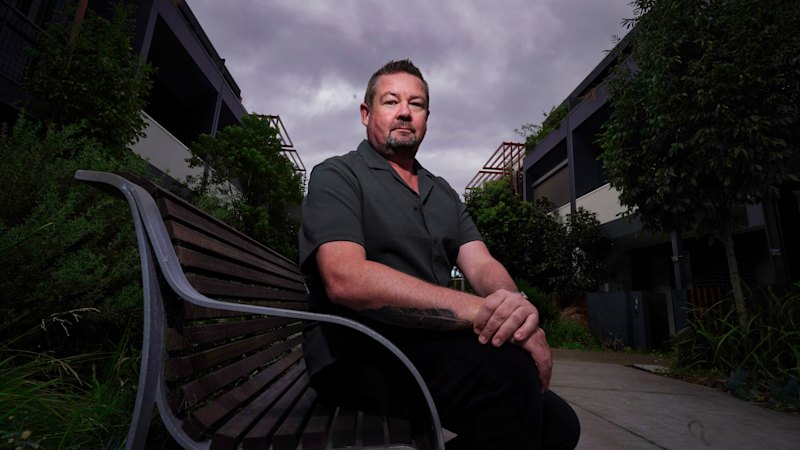
But former officer Joel Owen said the council’s hard-line approach towards the issue damaged morale within the CSO team, which became increasingly concerned about officers’ own safety after they were assaulted with hammers, chains and other weapons.
Currently on stress leave, Owen was dismissed by the council in February after being accused of shoving a beggar acting erratically outside Flinders Street Station in December.
But in a series of emails sent to the council and seen by this masthead, Owen claims he was following a directive from his managers.
He insists his response was “reasonable, proportionate, and consistent with my training and responsibilities as a community safety officer”, according to an email on February 26.
“You state that this decision [to dismiss Owen] is based on our commitment to maintaining a safe and respectful environment for all individuals, including vulnerable members of our community.
“What about maintaining a safe and respectful environment for your staff? Community safety officers are sent into volatile, drug-affected, unpredictable environments with no defensive tools and limited protection.”
Owen does not deny pushing the man, but said he was forced to do so to protect himself and his partner and after repeated attempts to defuse the situation were unsuccessful.
He said a senior council coordinator had instructed the CSO team that “they should not be afraid to use force when issuing ‘Move On’ directions to individuals, including beggars, or people sleeping or sitting against building lines,” according to another email obtained by this masthead. There is no suggestion Reece was aware of or authorised this directive.
The directive, Owen said, was given to officers at a briefing in December and had inflamed tensions with the city’s rough sleepers and contributed to a string of violent confrontations.
“Morale within the CSO program is currently extremely poor. One supervisor has resigned. Multiple CSOs are reconsidering their future. Staff are fearful that if they defend themselves in volatile situations, the same will happen to them,” another email read.
Owen also accused the council of “window dressing” by manipulating statistics regarding interactions between the public and CSOs.
“Someone could ask us where the tram stop to St Kilda was, and that would be included as an interaction and used by Reece as justification of his strategy,” Owen said.
He said they were often deployed to some of Melbourne’s safest areas to convince ratepayers of the merits of the program.
“We would often be sent to East Melbourne on a Saturday to keep the local residents happy. But it was pointless. Nothing would ever happen, and it was a complete waste of time and money. The same with the Docklands. You could run naked and no one would see you,” Owen said.
Often referred to as the “Reece police”, the departure of officers and slump in morale delivers a major blow to the $2 million plan championed by Reece during his re-election campaign in 2024.
When launching the program last October, Reece declared it would be the “biggest change to safety and policing in Victoria since the introduction of protective service officers on train stations over a decade ago”.
This masthead has confirmed the council intends to expand the program, with plans to double the team from 11 to 22 officers, and a further $1.7 million set aside in the draft budget for 2026–27.
“Our community safety officers are making a real difference on Melbourne’s streets – supporting vulnerable people and stepping in early to prevent antisocial behaviour,” a City of Melbourne spokesman said in a statement.
Salvation Army commanding officer Brendan Nottle said Melbourne had traditionally extended tolerance towards the homeless, but there had been a shift in community sentiment since the pandemic.
“We have to make sure we get the right balance. The last thing we want is for Melbourne to be known as a police state, where the focus is on policing and not compassion,” Nottle said.
“There are some people who aren’t always aware of their actions because of issues they’re dealing with, and I think there needs to be tolerance and patience shown towards them.”
The Homeless Persons Union Victoria called for the council to immediately suspend the deployment of CSOs across the city. A spokesman for the organisation said the program subjected the homeless to an increase in policing, scrutiny and violence.
“The City of Melbourne seeks to criminalise members of the community who are themselves victims of crime and violence,” the spokesman said.
“This narrative equates homelessness with a threat to public safety and social order, when in fact it is the actions, policies and programs of the City of Melbourne that have created an insecure environment and increased the potential for violence in the CBD.”
Start the day with a summary of the day’s most important and interesting stories, analysis and insights. Sign up for our Morning Edition newsletter.


