











Australian petrol and diesel suppliers are diversifying their supply chains to bring in new shipments from five continents, as they scour the globe for extra cargoes to head off the worsening threat of fuel shortages.
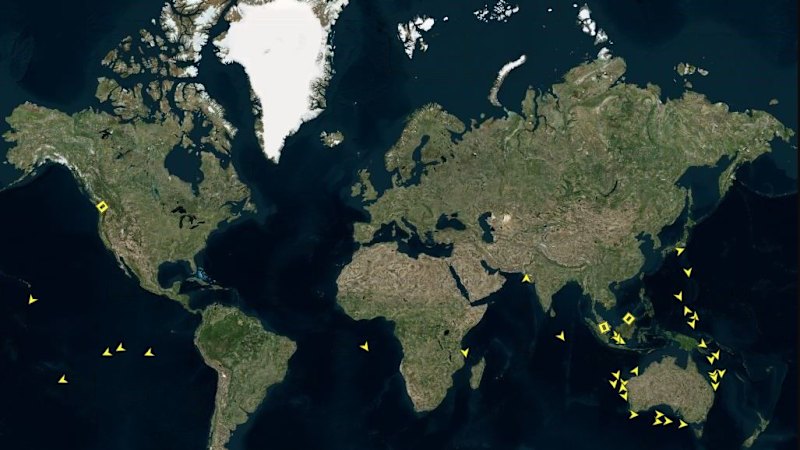
The number of ships scheduled to deliver crude oil and refined fuels to Australia through April has risen sharply since late last month, according to maritime traffic data, which shows 55 cargoes have arrived so far in April or are en route to terminals across the coastline from as far afield as the United States, South America and Africa.
Concerns over Australia’s fuel security have mounted as the conflict in the Middle East continues without a clear timeline for resolution from United States President Donald Trump. Ongoing disruptions in the Strait of Hormuz have choked off critical crude supplies to the large Asian refineries that traditionally provide 80 per cent of Australia’s liquid fuel needs, raising the danger of a domestic supply crunch hitting this month.
Energy Minister Chris Bowen on Friday said the Albanese government was encouraged by the volume of fuel imports currently in transit.
“The sooner the war ends the better … but Australian companies have been diversifying,” he said. “We have seen more supplies on the way from other parts of the world; from the United States, Mexico and other places.”
The number of shipments headed for Australia had surged over the past 10 days, said Lurion De Mello, senior lecturer from Macquarie University’s Transforming Energy Markets Research Centre. He estimated about 10 to 15 extra shipments would now reach Australia in April on top of what would be expected to arrive in ordinary times.
“There has been an extraordinary uptick in numbers,” he said. “Usually, you would not get so many tankers.”
Viva Energy, which supplies 30 per cent of the country’s fuel from its Geelong oil refinery and via import terminals, said its trading team was delivering results in a “very challenging market”, having secured additional cargoes from far-flung supply sources in the US and South America “We have got a good flow of fuel heading into May and a good flow of crude oil heading into July for our refinery at Geelong,” Viva chief executive Scott Wyatt said.
Ampol has also widened its search for crude and refined fuels from suppliers in the US and Europe.
Asia’s mega-refineries were beginning to diversify their supplies of the crude oil they need to process into petrol, diesel and jet fuel, a development that was “very important for Australia because most of our refined product comes from Asian refiners”, Bowen said. “That is something that Australians can take some confidence in.”
However, the availability of one-off fuel cargoes within the Asian spot market has tightened significantly over the past month. Regional refineries have reduced production rates, while Beijing has halted Chinese exports of transportation fuels to bolster its own domestic stockpiles.
While April supplies had been bolstered, a concern for Australia remained the “lag effect” of not enough oil reaching Asian refiners in the coming weeks, which threatened to crimp exports from the region in May, said De Mello. “That’s when supply could start becoming affected,” he said.
Bowen said that while spot cargoes of fuel remained available elsewhere, they were becoming “more expensive and riskier” to secure, particularly for smaller importers. To mitigate this, the federal government has announced it will underwrite the purchase of spot fuel cargoes via the credit agency Export Finance Australia.
On Friday, 410 service stations across the country were without diesel and 193 were without petrol, Bowen said. “We continue to see service stations across Australia being refilled, but we are also seeing very high demand,” he said, urging motorists to avoid panic-buying, and those planning long-weekend road trips to “fill up in the city to help the country if you can”.
The Business Briefing newsletter delivers major stories, exclusive coverage and expert opinion. Sign up to get it every weekday morning.


