






Bob Caesar still vividly remembers how the toxic industrial solvent would crack his green rubber gloves, seep in and burn his skin as he cleaned the aircraft oxygen equipment during his years in the Royal Australian Air Force.
“Your hands would be burning like there was no tomorrow,” the former air force corporal and instrument fitter says.
“You’d have to flick the gloves off quickly and put them into a big, deluge bath and scrub yourself to try and wash off as much of the stuff off as you could.”

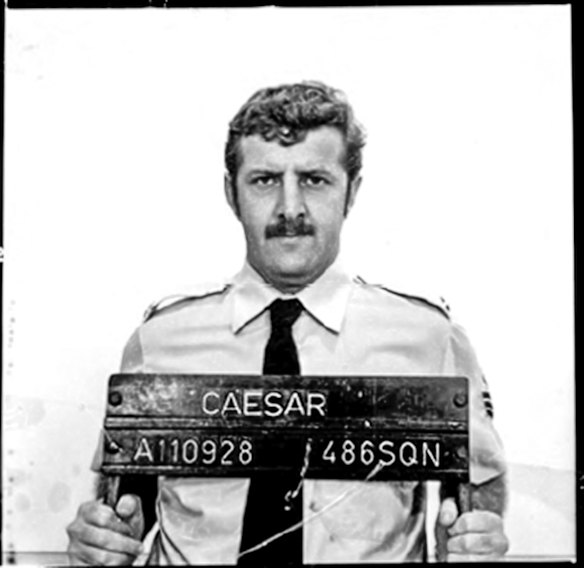
The fumes were so potent in the room on the ground floor of the air force base in Richmond in NSW where Caesar worked he was left dizzy and struggling to breathe.
“I would have to take the breathing apparatus off and just get out of the room a few times a day so I could breathe again,” he says.
Caesar did not realise it at the time, but the chemical, known as trichloroethylene (TCE), which he was using to meticulously clean and degrease oxygen equipment from the Lockheed C-130A Hercules aircraft for more than two years during the 1970s, was also poisoning him.
In late 2022, the now 78-year-old felt an agonising pain under his rib cage and began to notice he was becoming increasingly short of breath.
It would take two years for him to be diagnosed with pulmonary veno-occlusive disease (PVOD) – a severe, rare form of pulmonary arterial hypertension linked to exposure to TCE.
The terminal disease is characterised by the blockage of small lung veins, which leads to progressive right heart failure.
In March this year, the grandfather of five won a landmark legal battle against the federal government, in a precedent-setting win for veterans like him who were exposed to the highly toxic solvent.
“They were just trying to drag it out long enough to wait until I fell off the perch,” Caesar says.
TCE is a human carcinogen linked to liver and kidney cancer and non-Hodgkin’s lymphoma, and is now banned or strictly regulated in countries all over the world, including Australia and the United States.
It has been the subject of controversy for years, causing numerous worker deaths globally through acute poisoning and long-term health complications.
The chemical is associated with a 500 per cent increased risk of Parkinson’s disease. In 2016, Australia’s Department of Veterans’ Affairs formally recognised exposure to TCE as a cause of Parkinson’s.
Lawyer James Marsden-Smith, a senior associate at Maurice Blackburn’s dust and occupational diseases team who took on Caesar’s case, says the medical evidence from doctors on both sides of the legal battle was unanimous: exposure to TCE had caused Caesar’s terminal condition.

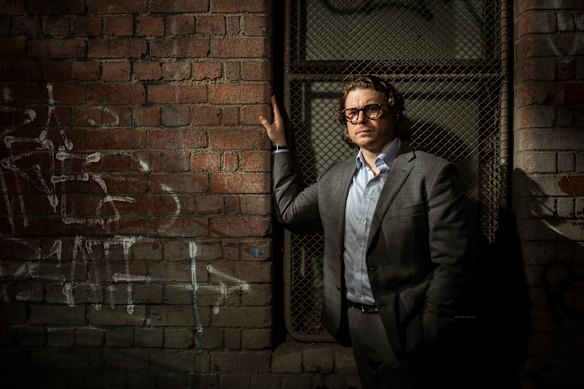
Despite this, a team of lawyers in Sydney hired by the government fought the negligence claim every step of the way, dragging the case out for almost 18 months.
A bid to get the case expedited was also initially opposed by the Commonwealth’s legal team, even though Caesar had been given less than two years to live.
Marsden-Smith likened the tactics used by the defence to those used by big tobacco companies.
“Every part of this case was designed to be made as difficult as possible,” he says.
“They were entitled to defend the matter of course, but they tried to make these arguments, like Philip Morris and James Hardie did back in the 1950s and ’60s. It was essentially, ‘We knew this chemical could kill you, but we didn’t know it could kill you in this specific way, so we’re not liable.’”
An offer of significant financial compensation came the day before the case was scheduled to go to trial in front of a jury at the Victorian Supreme Court, with the federal government conceding exposure to TCE had caused Caesar’s terminal illness.
‘They were just trying to drag it out long enough to wait until I fell off the perch.’
Bob Caesar
It was Melbourne respiratory and sleep physician Dr Shaun Yo who first diagnosed Caesar with PVOD at The Alfred hospital and then traced the disease back to his exposure of TCE during his time in the air force.
Yo says that what struck him about Caesar’s case is that the condition is so rare it affects fewer than one person per million in the global population.
“It was quite strange because his age and gender were not typical of patients with pulmonary arterial hypertension, which tends to predominantly affect younger women,” he says.

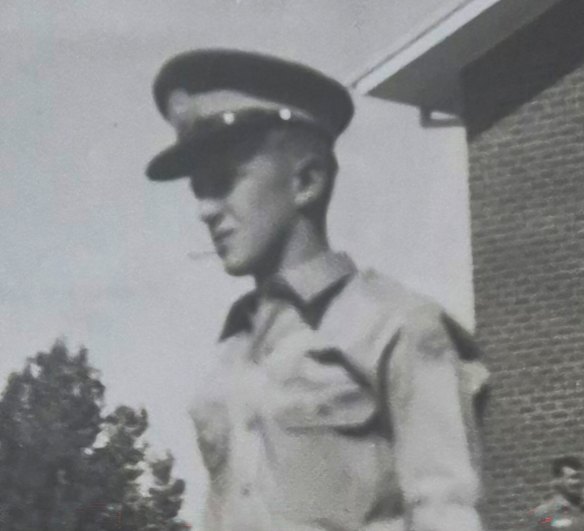
Mounting research, particularly from France, has linked the disease to exposure to the toxic solvent.
Yo says this highlights the importance of clinicians examining the occupational history of patients when making a diagnosis.
“If we had missed the fact that he was exposed to TCE then we probably wouldn’t have thought about PVOD, and the treatment strategy is considerably different,” Yo says.
Warning signs of TCE’s toxicity have swirled since the 1920s. Marsden-Smith says the Australian government was aware of health risks posed by the industrial solvent in the 1950s and the existence of safer alternatives.
Caesar, who joined the air force at 15 hoping to make his parents proud, tried to raise concerns about TCE at the time.
“I said, ‘I don’t like this stuff. It’s hurting my skin, it’s toxic,’” he says.
“They said, ‘Well, that’s the standing orders.’ You had to do things by the letter because a mistake could be catastrophic.
“If you didn’t clean the equipment properly, and there was any risk of oil contamination, the aircraft may explode with the oxygen under pressure and that could result in possibly losing an aircraft and all the crew.”
Marsden-Smith, who is a decade into his legal career, says getting justice for Caesar was one of his proudest moments.
“It was as close to a total victory as I’ve ever had in a matter like this where there was effectively no compromise on any element of the claim,” he says.
The case is the first of its kind to be put before the Commonwealth, but Marsden-Smith believes it is only the tip of the iceberg and could pave the way for thousands of others to make similar claims.
“There’s no way that Bob’s situation is unique,” he says.
“There are tens of thousands of servicemen and women that were exposed to TCE and other dangerous chemicals, fuels and solvents daily, plus people just working in heavy industry for decades.”
Caesar says Marsden-Smith was “relentless” in his pursuit of justice for him.
“He did not leave a stone unturned,” he says. “It is because of him and all he did that I’ll be able to enjoy whatever life I have got left.”
Caesar’s life has changed irrevocably since his diagnosis. The Bundaberg father of two went from running his own rock ‘n’ roll dance school and travelling around Australia in his motorhome to barely being able to walk 100 metres without gasping for breath.

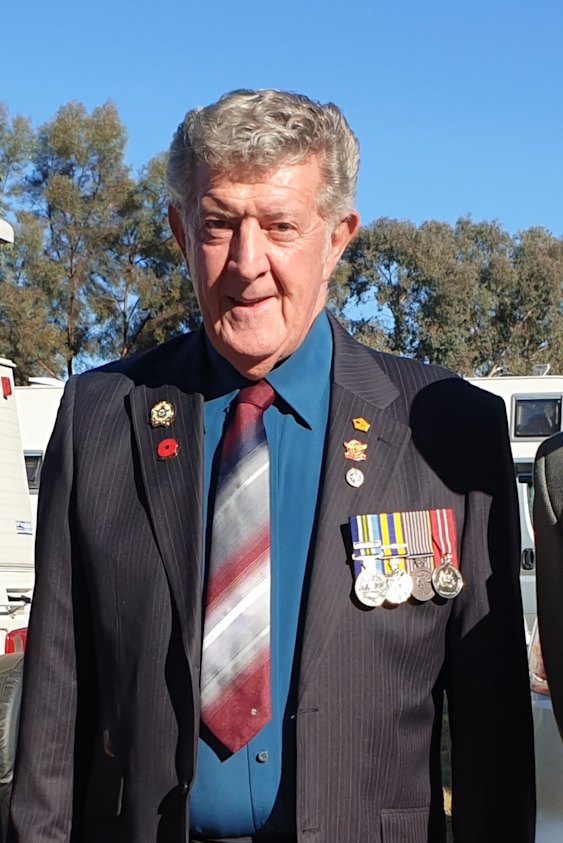
In years gone by, he has watched several of his friends, who worked on the controversial deseal-reseal program of Australia’s F111 fighter jets in the 1970s and ’80s, wither away as they succumbed to stomach, lung and brain cancer after they too were exposed to toxic chemicals during their time as servicemen.
“It’s devastating,” he says. “You try to make the best of the time you have left. My partner, Annie, has been my rock.”
For Caesar, it was never about the money.
“It’s the principle of the thing,” he says. “I hope it’s going to be beneficial for somebody else down the line.
“The government should be held accountable for the decisions they made back then which can affect every aspect of a person’s existence.”
An Australian Department of Defence spokesman said the government could not comment on individual matters for privacy reasons.
Start the day with a summary of the day’s most important and interesting stories, analysis and insights. Sign up for our Morning Edition newsletter.


