









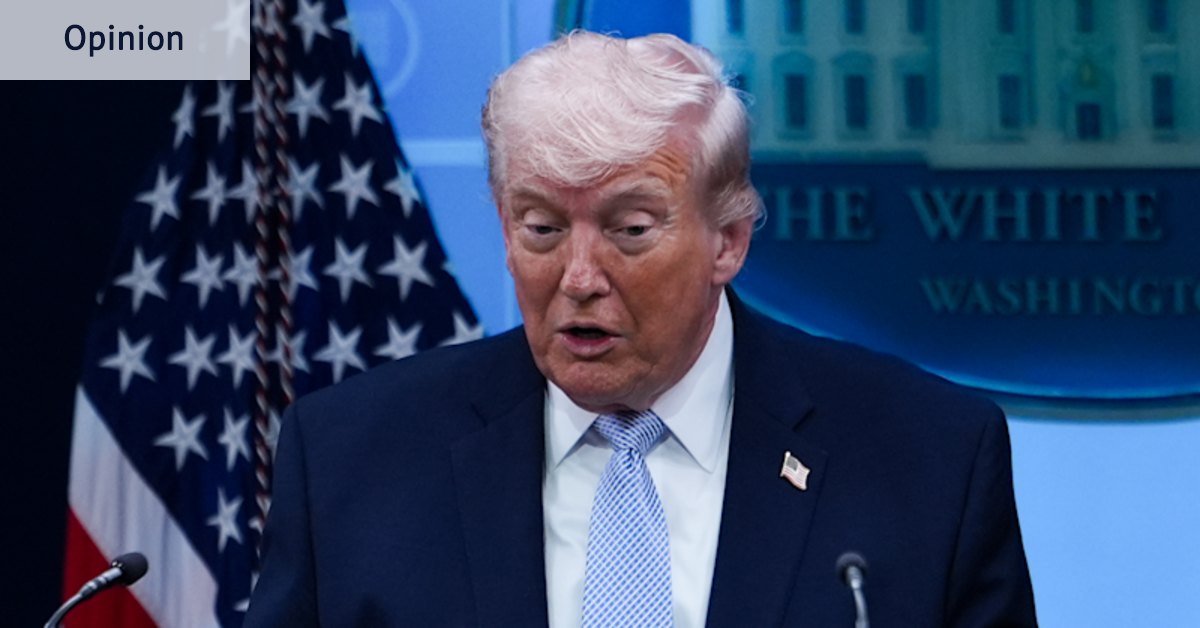
It is difficult to see Donald Trump’s war on Iran as anything other than a major own goal.
And who’s going to pay the economic cost?
It’s likely, we all will.
I’m not only referring to higher prices at the petrol bowser, I’m also talking about higher inflation and interest rates.
It’s now been about six weeks since the Iran war broke out, and economically speaking, a couple of things are fairly clear.
First, the economic legacy of this conflict will be a major disruption to energy markets, which will result in higher inflation, even if last week’s ceasefire holds.
In other words, we’ll be paying a price for the conflict through goods being more expensive than otherwise and, most likely, home owners will cop higher interest rates than they would have.
These outcomes are likely even if Australia avoids the worst-case scenario of running out of fuel.
Second, it’s also becoming clear that global sharemarkets do not view the war and its fallout as a massive economic shock on par with COVID-19 or the global financial crisis. But the sharemarket is not the economy.
Last week, Australia’s sharemarket had its best day in about a year, as the Aussie dollar also rose and investors cheered the ceasefire. It is definitely good economic news that the two sides agreed to a ceasefire – however shaky. Unfortunately, this won’t stop our inflation problem.
There are a few reasons for this.
The big one is it’s highly unlikely the global price of oil will return to its pre-war level this year, even if it comes down a bit. We’ll probably be paying higher than pre-war prices for petrol and diesel for months to come, if not longer.
Why will the price of oil most likely stay higher for longer?
Because there are still major problems that need to be resolved to get oil flowing around global energy markets. These will take months or longer to sort out.
Some of these problems are physical blockages in supply. Attacks on tankers have slashed number of ships moving through the Strait of Hormuz – through which about 20 per cent of global oil shipments normally move – to a virtual trickle.
It will take time to convince ship-owners to start sending more ships back into the strait, and even then, oil tankers take a long time to reach their destination. The global gas market will take even longer to get back up to speed because of more extensive attacks on major infrastructure in Qatar.
Even if we assume oil eventually starts flowing around the world normally again, there are still forces that may well keep its price high. One is strong demand: no doubt governments will want to rebuild their strategic reserves of oil after the shock we’ve had.
Oil could also attract a higher “risk premium.” Shipping companies venturing back into the Strait of Hormuz will have to pay higher insurance premiums, they may need to pay their workers more money, or Iran might even charge a “toll.”
The bottom line is that oil is likely to be expensive for a while yet, and that will, of course, be passed on at the bowser.
Our inflation problems don’t end with oil. There’s also something called “second round” inflation, which refers to price rises made by businesses that use a lot of oil.
The horse has already bolted on this front: airfares, freight companies, and others have raised prices, and that is going to flow through the economy.
As a result, economists expect our headline inflation rate will probably be pushed above 5 per cent – far outside the Reserve Bank’s target range of 2 to 3 per cent – before falling a little later this year.
In normal times, you might expect the RBA to “look through” a period of high inflation like this. After all, the inflation is the result of a supply shock to the economy, and the higher petrol prices will dampen consumer spending on their own.
However, last month’s rate rise showed the RBA is not inclined to look through this particular inflationary shock, even though the board split over the decision to hike.
In the short term, the ceasefire could allow the RBA to take more time to assess what’s happening to inflation.
Money markets did slightly drop the odds of a rate rise happening in May, from 75 per cent to about 65 per cent after last week’s ceasefire.
But when inflation is this uncomfortably high – an existing trend made worse by the war – the RBA probably won’t spare home owners from more rate rise pain. Markets are betting on about two more RBA rate rises this year.
Consider, this is not the worst-case scenario for the economy.
Rate rises are bad news for people with mortgages, but they are not as economically harmful as widespread energy shortages – which, if severe enough, could wound major industries, or force rationing of petrol to consumers.
If we did have severe fuel shortages, the RBA would probably ease off on its rate rises.
But that’s only because the economy would be in such a bad way that it wouldn’t want to make the slowdown even worse.
Hopefully, it won’t come to that, though we’re not out of the woods yet.
Today, it looks like this war will have a lasting economic impact in the form of higher inflation, a more fragile energy market, and probably higher-than-otherwise interest rates.
We’re all likely to pay a price in some way or another.
The Business Briefing newsletter delivers major stories, exclusive coverage and expert opinion. Sign up to get it every weekday morning.


