


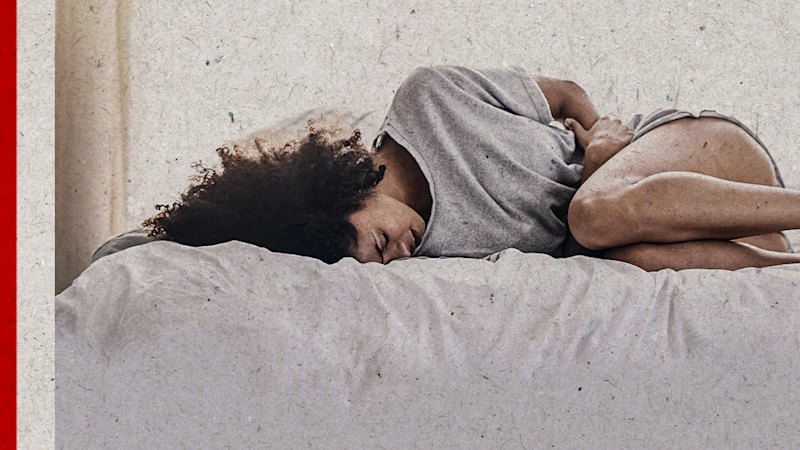
Last year, the Herald set out to collect women’s experiences of “medical misogyny”: the phenomenon whereby women are consciously or unconsciously treated differently in the health system, due to a historical lack of research on women’s health conditions and practitioner bias.
More than 2000 women came forward, sharing stories of their medical concerns, particularly those relating to pain or reproductive conditions, being dismissed by professionals – sometimes with disastrous consequences for their physical and mental wellbeing,
Endometriosis was the single most common disease featured in their accounts, with more than 200 women telling how they had experienced years-long waits for diagnosis, been turned away from emergency departments and grappled with how missed opportunities for treatment had affected their fertility.
The Australian Institute of Health and Welfare estimates that one in seven Australian women suffers from endometriosis, while one in five has adenomyosis.
They are undeniably debilitating conditions. And, as Emily Kaine reports today, Australia’s workplaces are under pressure to account for them in their leave policies.
As Kaine reports, variations of menstrual leave already exist in Spain, Japan, Taiwan and South Korea. However, the number of days on offer, hoops needed to jump through to claim and uptake by women, vary significantly.
In Queensland, a more general leave is available to public sector workers, with 10 days of paid reproductive health leave available each year for conditions including endometriosis. The leave, introduced in 2024, can also be used for medical absences from work due to menstruation, menopause or IVF, and accessed by workers regardless of their gender.
The Australian Council of Trade Unions is pushing for this model at a national level, expressing concern that workers are being forced to take unpaid leave to manage health conditions not adequately covered under conventional sick leave.
Understandably, business groups are not expressing much enthusiasm for these proposals. Opening up a new category of leave from work comes at a cost to employers, and to the nation’s productivity.
In response, advocates say there is an economic argument to enshrining some form of menstrual leave in the nation’s industrial relations framework. Modelling from the Bankwest Curtin Economics Centre claims the absence of reproductive leave is costing the Australian economy more than $21.3 billion a year, more than 12 times its estimated cost of a national 12-day reproductive leave entitlement ($1.7 billion).
Then there are the arguments that such leave may foster discrimination in hiring or promoting women.
But similar arguments could be – and have been – levelled against maternity leave policies, which are widely accepted as a necessary provision, and enshrined as both a government payment and by a wide array of private employers.
Australia’s women’s workforce participation rate increased to 63 per cent by February 2025, the highest on record.
While the menstrual leave models on the table – and in place in other jurisdictions – may be imperfect, rethinking how worker protections can better protect the nation’s changing workforce is a sound idea.
Jordan Baker sends a newsletter to subscribers each week. Sign up to receive her Note from the Editor.
 The Herald’s View – Since the Herald was first published in 1831, the editorial team has believed it important to express a considered view on the issues of the day for readers, always putting the public interest first.