








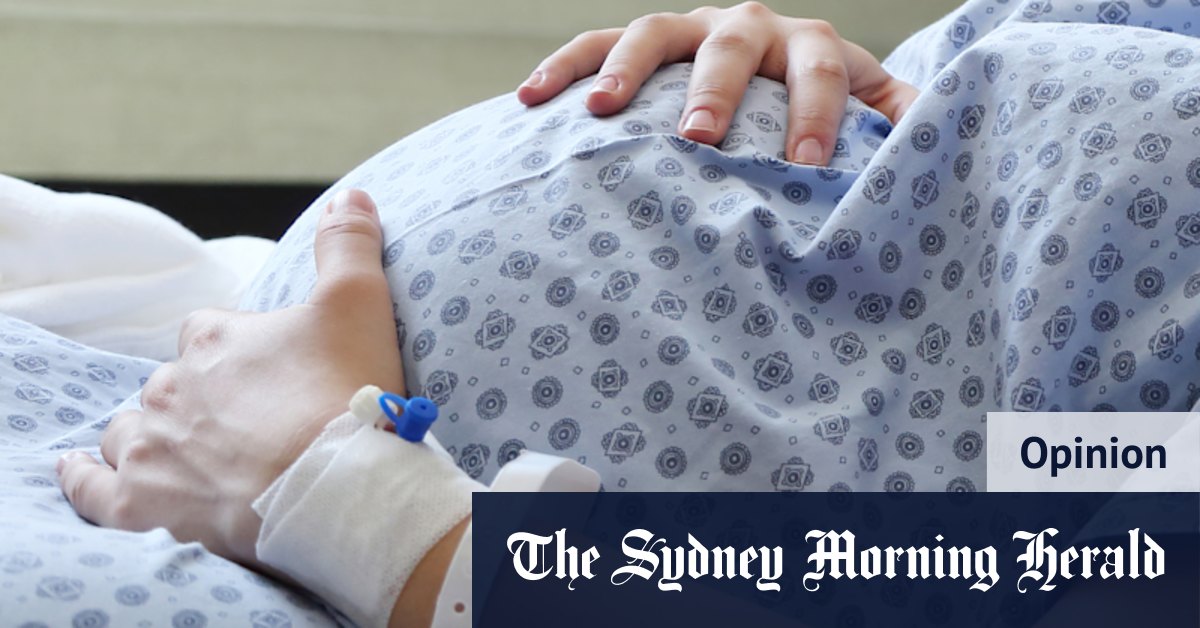
The anxiety many expecting parents feel is also driven by messaging around the importance of the prenatal period and the possibility that things will go catastrophically wrong if a pregnant person makes a single misstep. This can be as minor as eating sushi, to the position someone slept in or now, taking an over-the-counter painkiller to ease the discomfort that many experience when growing another human being.
While it’s true that the prenatal period is very sensitive, and there are many unknowns around safe medications because pregnant women have historically been excluded from medical research, fear can grow in this vacuum of conflicting information and uncertainty.

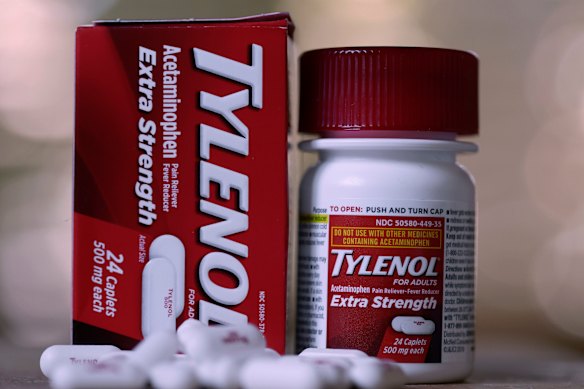
Painkillers like Panadol are known as Tylenol in the US.Credit: Getty Images
Peripartum anxiety can be highly debilitating. At times, it can impact a parent’s capacity to be present and form an attachment to their child.
Treating this anxiety or shame with therapy usually involves looking at the statistics around medical difficulties, the complex multifactorial nature of any diagnosis or health condition, addressing a parent’s fear of what the future might hold for their child – especially in a world which is not set up to accept or make accommodations for disabilities – and reassuring them that they’re doing the best they can.
It has always been essential for the scientific, medical and neurodiversity-affirming communities to work together to disseminate appropriate evidence-based messaging and to reassure all people of all neurotypes that they are valued members of our society, not problems to be prevented. But perhaps never more so than right now.
Loading
With this announcement, the Trump administration has added another hurdle to an already fraught time. Even without supporting evidence, it will be difficult for pregnant women to choose to ignore this advice because the anticipatory fear and guilt they are likely to experience by doing “the wrong thing” will likely be strong.
Most of us can ignore the announcement or make jokes about Robert F. Kennedy Jr’s “brain worm”. But others will almost certainly experience anxiety and fear about this pronouncement, or will once again feel sidelined, shamed and hurt by the implication that their condition is one to be “cured” or prevented.
Dr Ahona Guha is a clinical and forensic psychologist, trauma expert and author based in Melbourne.


