









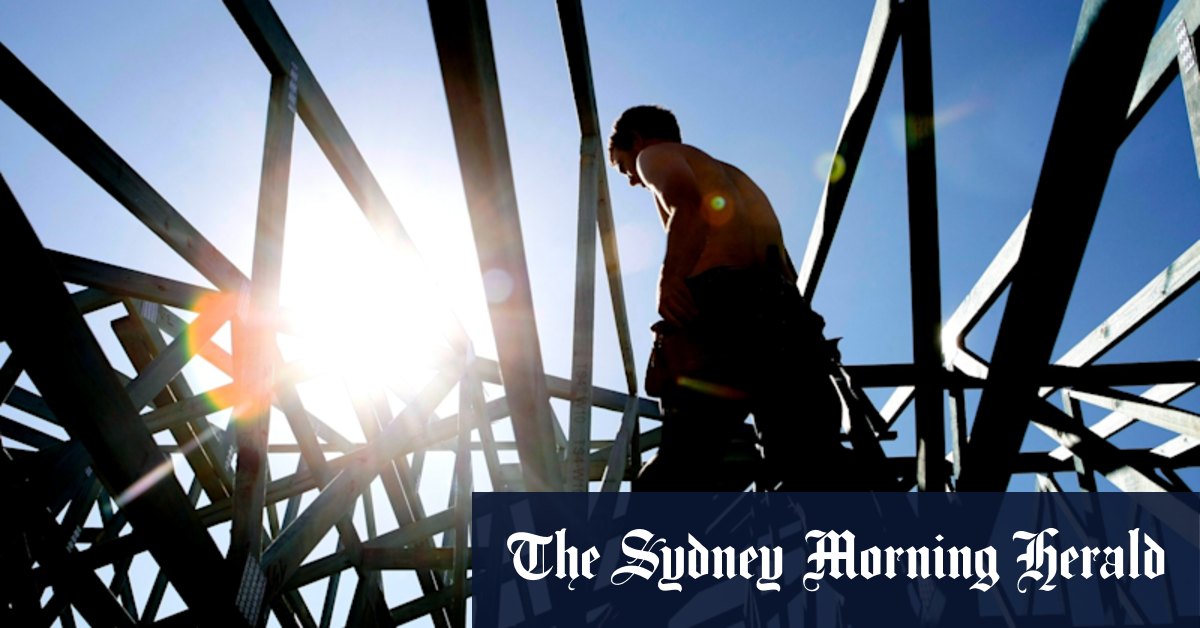
“According to our survey, around 86 per cent of respondents foresee stress in the construction industry. Similarly, 76 per cent of respondents expected companies in the healthcare sector to face financial difficulties in the current year, while 75 per cent of respondents were wary about the outlook for the retail and consumer goods industry.”

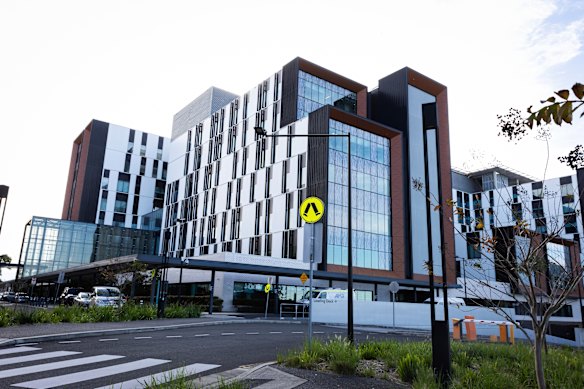
Private hospital operators have been under increasing strain. Credit: Renee Nowytarger
Tracy said the collapse of private hospital operator Healthscope highlighted the difficulties the sector has in dealing with financial pressures, evolving care models and rising operational costs. Such factors are challenging the sustainability of private hospitals, with potential ripple effects on the public system.
In a report released in June, Alvarez & Marsal suggested it was time to consider a more efficient approach to private hospital operators and the owners of those assets – including new agreements with insurers and improvements to the public private partnerships models.
Like healthcare, the construction industry is also facing structural problems as well as economic headwinds and sagging productivity.
This included the proliferation of project contracts in the industry that provided almost zero wriggle-room for builders – from large-scale infrastructure contractors to small builders – to cope with increases of costs in materials or delays.
“We’ve developed in this country a model where all of the risk transfers from the principal of the project, that’s the government or some private party, to the main contractor,” said Tracy.

Noni B owner Mosaic Brands, a middle market apparel specialist, collapsed in October 2024. Credit: AAP
“Often the contracts are effectively fixed price contracts and all the risk has been transferred onto that major contractor. That’s a fatal flaw.”
“That is the principal cause of the collapse of Probuild and Clough because they have no contingency, no headroom for when things go wrong.”
Retail is another sector facing a patchy future despite a brighter overall economic outlook, with mid-market apparel particularly financially stressed.
Loading
“What we’ve seen in Australia is a shift towards either being in the top end or right at the bottom end. If you’re in the middle, you get lost.
Another driver of business collapses in the year ahead, according to the survey, was the increasing aggression of the taxman in collecting debts from businesses for failing to pass on superannuation, GST or pay-as-you-go deductions from staff wages.
According to ATO deputy commissioner Anna Longley, around $50 billion is owed to the government in back-taxes by businesses and individuals.
“Our more lenient approach to payment during the pandemic had an impact on payment culture within the community, where we continue to see some taxpayers de-prioritising payment of ATO debts,” Longley told a gathering of tax practitioners last month.
“We do expect that more insolvencies are likely to arise for businesses that aren’t viable.”
The Business Briefing newsletter delivers major stories, exclusive coverage and expert opinion. Sign up to get it every weekday morning.


