

Close Menu
thewitness.com.au
  • Home
  • Latest
  • National News
  • International News
  • Sports
  • Business & Economy
  • Politics
  • Technology
  • Entertainment

Subscribe to Updates

Get the latest creative news from FooBar about art, design and business.

What's Hot

Singapore Airlines to launch daily flights to Western Sydney Airport from November 23

March 24, 2026

A-League: Kisnorbo replaces Talay as Sydney FC coach

March 24, 2026

Charlie Puth’s wife welcomes firstborn with meaningful jewellery

March 24, 2026
Facebook X (Twitter) Instagram Threads
thewitness.com.au
Facebook X (Twitter) Instagram
Subscribe
  • Home
  • Latest
  • National News
  • International News
  • Sports
  • Business & Economy
  • Politics
  • Technology
  • Entertainment
thewitness.com.au
Home»Business & Economy»The $16 billion shadow hanging over Australia’s financial system
Business & Economy

The $16 billion shadow hanging over Australia’s financial system

info@thewitness.com.auBy info@thewitness.com.auMarch 24, 2026No Comments4 Mins Read
The  billion shadow hanging over Australia’s financial system
Share
Facebook Twitter Pinterest Threads Bluesky Copy Link


Clancy Yeates

Updated March 24, 2026 — 11:53am,first published March 24, 2026 — 10:00am

You have reached your maximum number of saved items.

Remove items from your saved list to add more.

Save this article for later

Add articles to your saved list and come back to them anytime.

The number of homes without adequate insurance could rise by 1 million by 2050 because climate change threatens to force higher insurance premiums and make cover unaffordable for more households, the financial regulator has found.

The Australian Prudential Regulation Authority (APRA) on Tuesday released the results of its climate “stress test” for the insurance industry, which explored how climate change could worsen affordability.

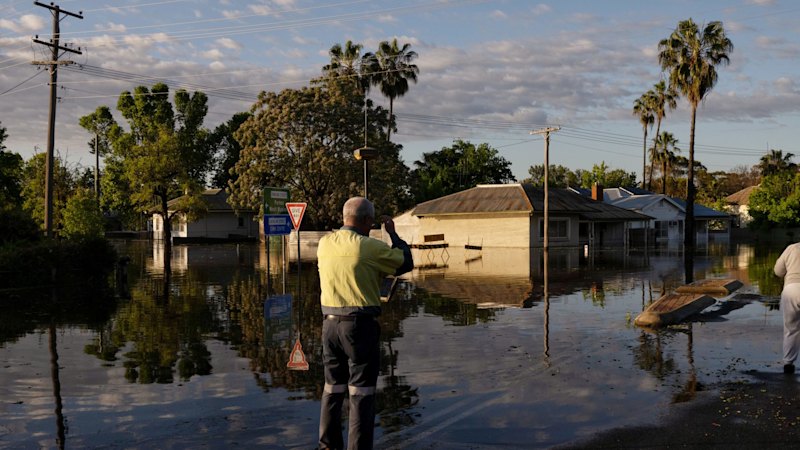
The finance regulator has underlined the growing risk of underinsurance.Nick Moir

The stress test, which involved working through scenarios with the country’s five biggest insurance companies, found the proportion of households lacking adequate insurance could rise from about one in seven today, to one in four by 2050.

Under one scenario of worsening climate change, APRA found expected annual losses from weather-related events could rise from about $7 billion today to more than $16 billion by 2050.

APRA said that regional and rural communities would be disproportionately affected, and the rate of insurance would widen more in regions where already there were low levels of insurance protection.

Related Article

Cutting your home insurance might save you money, but it could be extremely risky.

The report said that if more people were inadequately covered, it could increase uninsured losses for households, increase credit risk for banks and constrain growth in the home insurance market. “Over time, these pressures could erode the resilience of Australia’s financial system,” APRA said.

Australian banks in regions with higher risks of natural disasters would face growing credit risks, APRA said, as borrowers who were underinsured would be more likely to default if they faced a major financial hit from a severe disaster.

APRA emphasised that its findings were not forecasts or predictions, but an assessment of how the financial system may be affected by “severe but plausible stress conditions”.

The stress test looked at two scenarios – one in which carbon emissions continued to rise, leading to more climate impacts, and a second scenario in which there is rapid global action to lower greenhouse gas emissions after 2030.

APRA said that in the first scenario, the higher risk of natural disasters pushed insurers’ costs up, which fed into higher premiums. In the second scenario of rapid action to curb global warming, APRA said there was a bigger rise in construction costs, which also fed into higher premiums.

Climate change is having a dramatic effect on the cost of house insurance in AustraliaPeter Rae

The cost of Australian home insurance jumped by an average of 7.2 per cent a year from 2010 to 2025, APRA said.

Key reasons for the surge were more frequent and severe wild weather, rising construction costs and higher costs from reinsurance (when local insurance companies offload some of their risk onto global players in the insurance market).

While APRA did not project future movements in premiums, it estimated growth in the country’s “protection gap” – the extent to which losses are not covered by insurance. The stress test concluded that about 40,000 households a year would lose their insurance cover because of affordability problems, which would mean an extra 1 million households could be without insurance by 2050.

Related Article

Sure, insurance costs are escalating, but it’s better to finesse your policies rather than forgoing the financial safety they provide.

The Insurance Council of Australia said APRA’s findings underlined the need for more public investment in disaster resilience. It has previously called for the federal and east coast state governments to invest more than $30 billion in protecting homes from flood risk through infrastructure such as dams and levees.

The Business Briefing newsletter delivers major stories, exclusive coverage and expert opinion. Sign up to get it every weekday morning.

You have reached your maximum number of saved items.

Remove items from your saved list to add more.

Clancy YeatesClancy Yeates is deputy business editor. He has covered banking and financial services, and was previously national business correspondent in the Canberra bureau.Connect via X or email.

From our partners

Share. Facebook Twitter Pinterest Bluesky Threads Tumblr Telegram Email
info@thewitness.com.au
  • Website

Related Posts

Singapore Airlines to launch daily flights to Western Sydney Airport from November 23

March 24, 2026

A-League: Kisnorbo replaces Talay as Sydney FC coach

March 24, 2026

Charlie Puth’s wife welcomes firstborn with meaningful jewellery

March 24, 2026
Add A Comment
Leave A Reply Cancel Reply

Demo
Top Posts

Inside the bitter fight for ownership of a popular sports website

October 23, 2025124 Views

Police believe ‘Penthouse Syndicate’ built Sydney property empire from defrauded millions

September 24, 2025109 Views

MA Services Group founder Micky Ahuja resigns as chief executive after harassment revealed

December 11, 202592 Views
Don't Miss

Singapore Airlines to launch daily flights to Western Sydney Airport from November 23

By info@thewitness.com.auMarch 24, 2026

March 24, 2026 — 8:00pmSaveYou have reached your maximum number of saved items.Remove items from…

A-League: Kisnorbo replaces Talay as Sydney FC coach

March 24, 2026

Charlie Puth’s wife welcomes firstborn with meaningful jewellery

March 24, 2026

Gold Coast mayor reveals Trump Organisation paid for accommodation during meeting

March 24, 2026
Stay In Touch
  • Facebook
  • YouTube
  • TikTok
  • WhatsApp
  • Twitter
  • Instagram
Top Trending
Demo
Most Popular

Inside the bitter fight for ownership of a popular sports website

October 23, 2025124 Views

Police believe ‘Penthouse Syndicate’ built Sydney property empire from defrauded millions

September 24, 2025109 Views

MA Services Group founder Micky Ahuja resigns as chief executive after harassment revealed

December 11, 202592 Views
Our Picks

Singapore Airlines to launch daily flights to Western Sydney Airport from November 23

March 24, 2026

A-League: Kisnorbo replaces Talay as Sydney FC coach

March 24, 2026

Charlie Puth’s wife welcomes firstborn with meaningful jewellery

March 24, 2026

Subscribe to Updates

Get the latest creative news from FooBar about art, design and business.

Facebook X (Twitter) Instagram Pinterest
  • Home
© 2026 ThemeSphere. Designed by ThemeSphere.

Type above and press Enter to search. Press Esc to cancel.