


That means until inflation settles back towards the middle of the 2 to 3 per cent target, Australian borrowers can kiss goodbye to the possibility of interest rate relief.
So when is inflation likely to come back down? Well, if you go by the bank’s latest set of forecasts, there’s both bad news and good news.
The bad news is that the bank expects annual price growth to keep climbing until the middle of next year, peaking at 3.7 per cent (and 3.2 per cent in trimmed mean terms) annually by June next year. For households with bills to pay – and those with big home loan repayments chewing up their income – that’s painful to hear.
The good news is that it’s mostly due to temporary or one-off factors, meaning that price pressure isn’t likely to stick around too long – at least as long as there are no unexpected events (which, of course, we can’t predict).
A large part of the reason the bank’s forecasts have annual inflation hovering above the target for the next six months is because of the ongoing effect of the inflation surprise in September. That unexpected jump in prices will be included in the calculation of the annual gauge of inflation for the next year, until it no longer fits within the 12-month time frame being measured.
The way the bank put it was this: there will be a “hump” in the annual inflation figure until that surprise September inflation reading gets old and is spat out of the equation for the year being measured.
Loading
Bullock also said some of the higher inflation reading for the three months to September was driven by temporary factors such as higher travel and fuel costs, and a jump in council rates (many of which are determined in July or August) which the bank doesn’t expect to continue.
The biggest jump (which was excluded from the trimmed mean measure of inflation) was in electricity prices, mostly because a range of state energy rebates came to an end, pushing up the cost paid by Australian households to keep their lights on.
By the end of this year, electricity rebates from the federal government will also end, meaning there’s likely to be another jump in electricity prices paid by households early next year (unless the government decides to play Santa and extend these rebates into 2026). That will be partly offset by some households receiving a double rebate in October because of delays in rebate payments in some states and territories.
The good news is that once the surprise inflation figure in September – and the volatility in prices from energy rebates – disappears, the bank expects the annual price growth rate to settle down. The Reserve Bank’s economists reckon by the end of next year, annual inflation will ease to 2.7 per cent.
Of course, unexpected events can change things in an instant, and the bank has acknowledged it could have its forecasts – and its read on the current situation – wrong.
One of the Reserve Bank’s worries is that it has misjudged the gap between supply and demand: a key factor affecting price pressures. In particular, the bank is concerned demand in the economy might still be relatively strong compared to supply – and more so than it previously thought.
That’s because price rises in categories like housing and services have proven quite persistent, but also because of the continued strength in the country’s jobs market.
While the unemployment rate came in at 4.5 per cent in September – the highest it has been in nearly four years – it remains historically low. The bank also looked at other measures of employment which it said were indicators of continued tightness (relatively strong demand for workers) in the labour market.
For example, the underemployment rate – the share of workers who have jobs but would like to work longer hours – has fallen, and the rate of people quitting their jobs has ticked up. Generally, a higher quit rate means people are more confident they will be able to land another job.

Reserve Bank governor Michele Bullock says an inflation rate just below 3 per cent is “not good enough.”Credit: Louie Douvis
This could also reflect the easing in cost-of-living pressures over the past few years (remember: inflation reached 7.8 per cent back in December 2022), growth in wages and stage 3 tax cuts which have reduced the pressure for people to work to support themselves.
But the Reserve Bank reckons these signs, among many others, give it reason to be cautious about inflation.
At the same time, though, the bank is at pains to get the message across that the recent pick-up in inflation – and the continued growth it forecasts over the next half year – is not something people should be worried about.
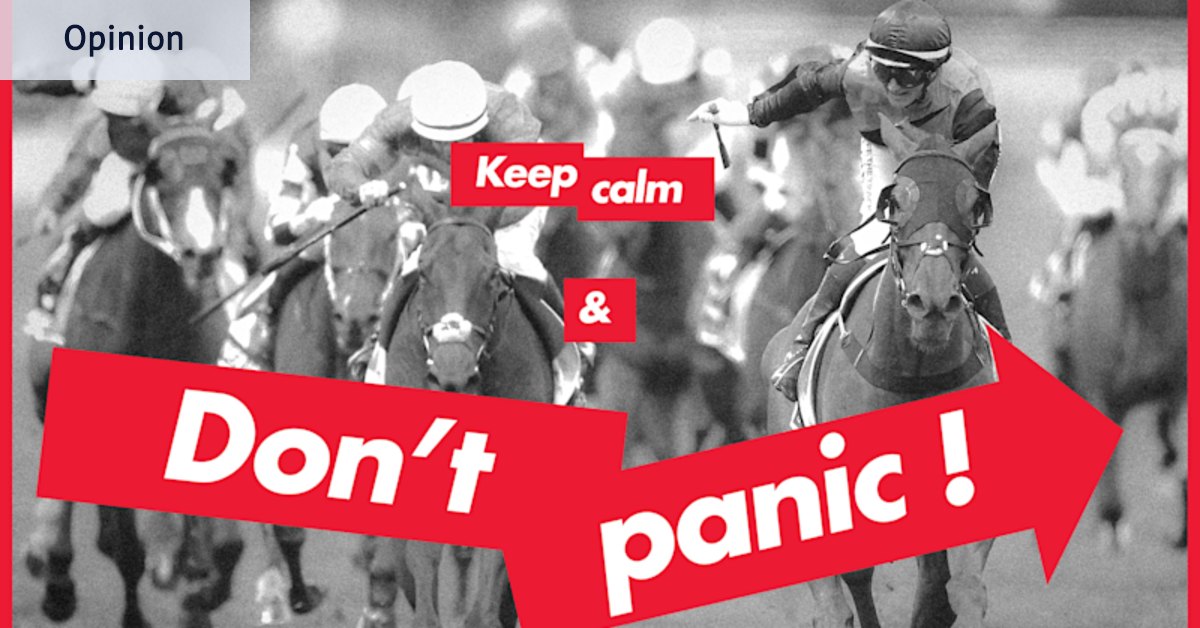
Part of the reason for this is that the Reserve Bank wants to keep inflation expectations in check. That is: it doesn’t want people to panic.
Loading
Not only is the forecast rise in inflation until June largely a result of the continued effect of September’s results on the annual measure, but it’s also something that will only intensify if people believe price rises will continue to speed up.
That’s because if Australians think prices are set to grow faster, they’re more likely to act in ways that will cause prices to rise. For example, workers asking for higher wages, businesses setting higher prices to stay ahead of costs and customers pulling forward their spending (buying things earlier than they otherwise might to try to get in before prices rise).
These things all push overall price levels higher, creating more of a problem for the Reserve Bank as it tries to rein in price pressures.
So while things might not look good on the inflation front, at least for the next six to seven months, the message the Reserve Bank would like to send is this: stay calm and hold your horses.
Ross Gittins unpacks the economy in an exclusive subscriber-only newsletter. Sign up to receive it every Tuesday evening.
