








Microsoft-owned LinkedIn is expected to be excluded from a federal government scheme to force big tech to pay for its use of media reporting despite the social networking site promoting news articles and its parent company’s multibillion-dollar Australian business.
Draft legislation for the new scheme could be unveiled within the next 10 days in a boon for media companies that have been anxiously waiting for the government to unveil the scheme so they can advance talks with Meta, Google and TikTok.
But LinkedIn’s likely exclusion from the News Media Bargaining Incentive laws – which could save the company about $170 million – has angered the technology giants that are included, according to people familiar with the proposed laws.
Under planned laws, technology giants would have to strike commercial deals with media companies to compensate them for the value of the news that users post on their platforms or face being hit with a more expensive tax.
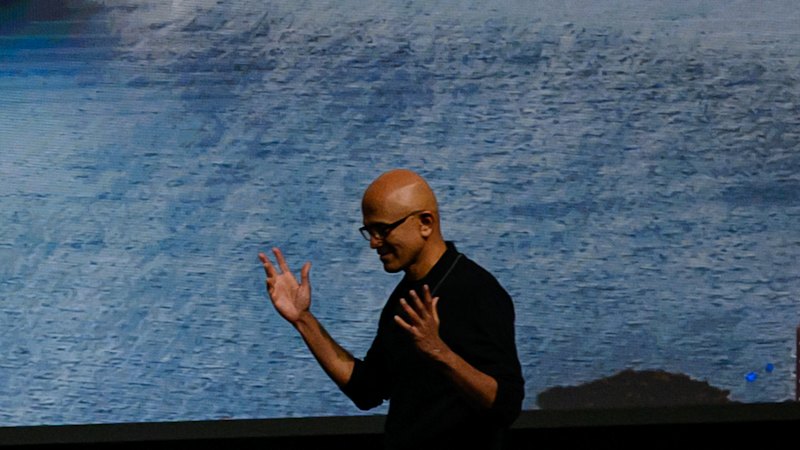
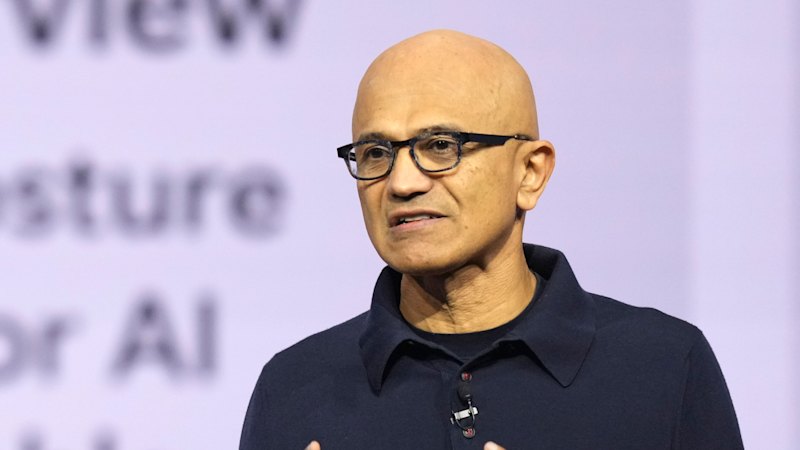
Microsoft chief executive Satya Nadella, who is in Australia this week, reportedly engaged directly with Prime Minister Anthony Albanese around the time the incentive was first announced in late 2024, and the tech giant has spent years publicly endorsing Australia’s news bargaining framework. Company president Brad Smith told this masthead that a previous version of the laws were based on a “good principle” that “made sense”.
“We should not underestimate the value that journalism and media companies are contributing … and if there is an opportunity to transfer some of this economic value to media and news, that will make the world a better place,” he said at the time.
All the big tech companies either declined to comment, or did not respond, but Google has previously said that “Australians are increasingly turning to a range of platforms, such as Microsoft, Snapchat and Apple, for news content and this shift in consumption should be reflected in any proposed measure.”
The incentive is designed to encourage technology companies, which are worth trillions and control much of the distribution of information in the world, to pay much smaller publishing companies for their use of news reports that engage their users and help them to sell ads. The companies are also increasingly deploying AI chatbots and tools that reproduce and link to Australian journalism.
Companies such as Meta, which is the most antagonistic to the proposal, argue the laws are unfair because they provide a service to the media by sending readers to their websites.
Nine and News Corp declined to comment.
The incentive, first announced in December 2024 by then-assistant treasurer Stephen Jones and former communications minister Michelle Rowland, functions as a charge-and-offset scheme administered through the tax system. Platforms with $250 million or more in annual revenue from significant social media or search services pay around 1.5 per cent of revenue to news publishers, or a 2.25 per cent charge if they refuse.
Microsoft clears that threshold many times over. The company’s Australian arm reported revenue of $7.5 billion for the year ended 30 June 2023, up 20 per cent year on year, with post-tax profit of $174 million. LinkedIn globally is a $15 billion-plus annual business and one of Microsoft’s fastest-growing divisions with a major focus on news.
It operates a dedicated news tab, employs its own Australian editorial team curating daily headlines, and surfaces stories from local mastheads prominently in its feed. Based on its local revenue numbers, Microsoft stands to save up to an estimated $168.75 million if it evades the scheme.
Estimates based on local revenue figures show Meta faces an annual bill of up to $33.75 million if it refuses to strike deals with media companies, with Alphabet facing a liability of $202.5 million and TikTok $16.9 million. Those figures align with the total value of deals struck under the original 2021 News Media Bargaining Code, which industry estimates placed at about $200 million annually at its peak.
“The News Bargaining Incentive remains a priority for the Albanese government in order to support Australian journalism,” a spokeswoman for the Assistant Treasurer and Minister for Financial Services, Daniel Mulino, told this masthead.
”The draft legislation for the News Bargaining Incentive will be released in due course. There have been wide-ranging and ongoing consultation with stakeholders throughout the process.”
Rod Sims, the former Australian Competition and Consumer Commission chair who designed the original 2021 News Media Bargaining Code, said the apparent carve-out was difficult to justify.
“It does have editors. It does compile news stories,” Sims said. “It does seem strange that they’re excluded.”
The design of the incentive is intended to close the loophole exposed when Meta walked away from renewing its Australian news deals in March 2024, arguing news content held little commercial value for Facebook. Under the existing 2021 News Media Bargaining Code, platforms could sidestep obligations by simply removing news. The incentive charge applies to digital platforms regardless of whether they host news content as long as they are covered by the law.
In a November consultation paper, Treasury defined the incentive as potentially applying to “all large digital platforms operating significant social media or search services in Australia”.
But the expected carve-out for LinkedIn suggests Treasury has settled on a narrower definition of “significant social media or search services” for the laws that excludes professional networking platforms, regardless of their news distribution role. Treasury was contacted for comment.
Google remains the only major platform with active commercial agreements supporting Australian newsrooms, covering more than 90 news businesses and 226 outlets across national, regional and independent titles, according to the company. Meta ended its arrangements in March 2024.
Sims said he was “disappointed it wasn’t sorted out a year ago” and that the risk of a hiatus between the expiry of existing deals and the start of the new regime was material. “A lot of people’s deals are coming to an end in the next three months,” he said. “The urgency is huge.”
The Business Briefing newsletter delivers major stories, exclusive coverage and expert opinion. Sign up to get it every weekday morning.


