



From the local petrol station to the nation’s wheat fields to those planning an overseas trip, the war against Iran is going to have an impact on the Australian and global economy.
But just what the impact will be, how long it will last and whether it will force changes to government and broader economic policy is, to paraphrase Donald Rumsfeld, a “known unknown”.
The immediate concern has been the inflation fallout due to the lift in global oil prices.
By bombing infrastructure such as key airports and effectively shutting the Strait of Hormuz, through which about 20 per cent of the world’s oil is shipped, Iran sought to destabilise the world economy.
While oil prices did climb, with some analysts predicting $US100 a barrel almost overnight, the increase so far has been relatively muted, reaching around $US72 a barrel. Both West Texas crude and Brent are up 6 per cent since the attack.
We’re a long way from the shift that occurred during COVID when oil prices collapsed to $US10 a barrel in mid-2020 before soaring beyond $US110 a barrel after Putin’s invasion of Ukraine.
That sharp increase caused by the war in Ukraine amplified inflation pressures created by the post-COVID supply chain issues that permeated the world. This time around, there aren’t hundreds of ships outside major global ports trying to offload goods for cashed-up consumers.
But the inflation pressures could turn up in other areas.
Almost a third of Australia’s fertilisers come through the Strait of Hormuz. You might not think about urea or ammonia, but that piece of breakfast toast or that mid-morning muffin or that bread roll with dinner all depend on fertilisers.
Dry conditions in most of the nation’s key wheat-growing regions turned around this week with heavy rains. There should be enough ground moisture for farmers to start up their tractors to plant the coming wheat crop, which will need lots of fertiliser.
There are already signs that fertiliser prices have climbed since the war started. That could easily translate into a spike in bread prices by year’s end.
It’s not just bread. Higher crude oil prices have had an impact on something most Australians spread on their toast – canola oil.
Canola is a key biofuel, and demand grows as crude oil climbs. Since mid-December, the canola spot price has lifted more than 40 per cent to reach almost $C700 – that’s Canadian dollars, roughly equivalent to Australian dollars – a tonne. (Canadian dollars are the world’s benchmark for canola prices.)
Some of that has been due to changes in Chinese tariffs on Canadian canola and a global shortage, but the lift since the attack on Tehran began also points to the way the war’s impact can spread to unusual places.
This type of price impact, however, can’t be controlled easily by higher interest rates. They are largely on the supply side of the inflation equation. Interest rates really target the demand for goods and services.
That’s not factoring in what the conflict is doing to currencies. On Sunday night, some analysts were predicting the Australian dollar could fall several cents against its US counterpart.
A weaker dollar would translate into higher-priced imported goods, adding to inflation.
Instead, after an initial drop of almost a full cent, the Australian dollar has recovered to return to US71¢ – where it was as the bombs started falling. That’s partly due to expectations that as a net energy exporter (LNG prices have increased as key exporter Qatar is right in the firing line), Australia may get a small export bump.
Gold prices, which have been helping Australia since Donald Trump’s election, have reached a new record high since the war began.
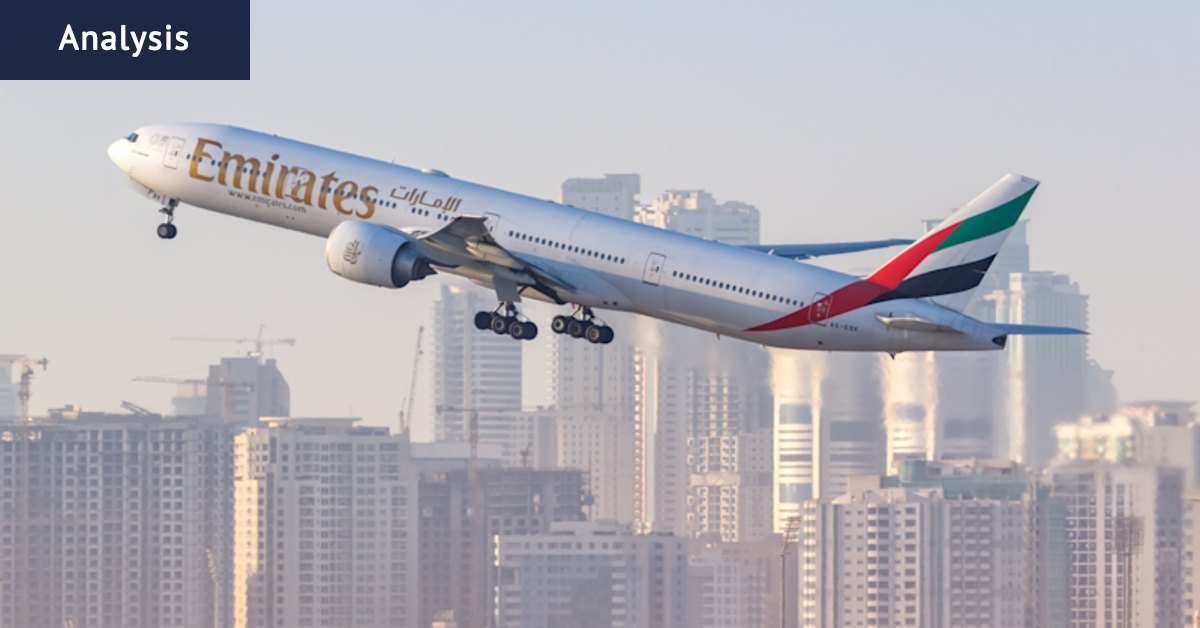
The wild swings for different companies on the ASX200 highlights how the war’s impact is so varied. The share prices for Qantas (down more than 8 per cent) and Flight Centre (down 6 per cent) all tumbled as investors worried that tourists may be put off from travelling given the turmoil in key airline hubs such as Doha and Dubai.
But share prices for companies such as oil and gas producer Woodside and gold producer Newmont have increased.
Little wonder that Reserve Bank governor Michele Bullock spoke for a lot of central bankers on Tuesday morning when she effectively said of the economic fallout from Iran, “who knows”.
“A supply shock could, for example, add to inflation pressures. And the potential implications for inflation expectations are something we are very alert to,” she told business leaders in Sydney.
“But at the same time, a prolonged impact on energy markets could have adverse effects on global economic activity and result in downward pressure on inflation. It is not obvious how this might play out.”
We only have to go back to April last year for an example of economic uncertainty. In the wake of Trump’s “liberation day” tariffs, the Reserve actually debated whether to cut interest rates by half a percentage point.
Here we are, nine months later, and the RBA has lifted interest rates and is expected to push them higher.
But since the war started, financial markets have slightly pulled back pricing for a rate increase at the Reserve’s May meeting.
So much about the war is still unknown. Announcing the death of Ayatollah Khamenei on Sunday morning, Trump said pinpoint bombing for Iran would continue “uninterrupted throughout the week”.
By Monday, the language had changed to an assault that would go “four to five weeks” with the chance it could “go far longer than that”.
If the person in charge of the war is unsure about its duration, trying to decipher its economic impact becomes almost impossible.
Read more on the US-Israel-Iran war:
Cut through the noise of federal politics with news, views and expert analysis. Subscribers can sign up to our weekly Inside Politics newsletter.
 Shane Wright is a senior economics correspondent for The Age and The Sydney Morning Herald.Connect via X or email.