






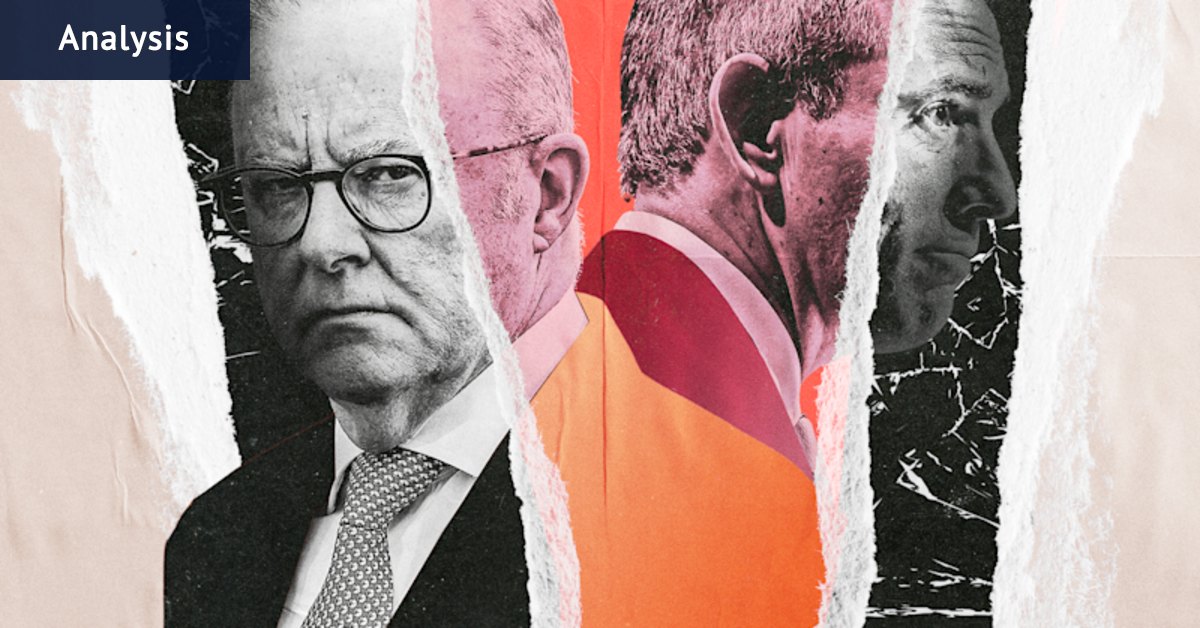


Five days on from the federal budget and Prime Minister Anthony Albanese and Labor are beginning to feel the pain of breaking promises.
It’s a pain Albanese and his team are going to feel for months to come.
Treasurer Jim Chalmers’ interview on ABC TV’s Insiders program on Sunday morning is just the most recent case in point.
Again and again, host David Speers asked Chalmers whether Labor might introduce a tax on gas exports, something sections of the party room and the broader left of politics keep campaigning for.
Again and again, Chalmers tried to bring the discussion back towards what was actually in the budget.
And then Speers hit him with the killer line.
“This is the problem, isn’t it, that if governments are now changing their position despite ruling things out, it leaves open all of these different changes?”
Chalmers was visibly frustrated: “I understand that that’s the political point that our opponents will make, David. I’d rather focus on the meaningful difference that we are making to people’s lives.”
This federal budget represents the biggest risk of Albanese’s political career, which dates back to 1985 when he worked for the late Tom Uren in the Hawke government, and now spans three decades in parliament.
It’s a huge gamble, handing Opposition Leader Angus Taylor a rhetorical club with which to whack the government every day from now until the next election, but it is one Albanese believes is worth taking, given he has 94 seats in parliament and political capital to burn.
As a protege of Tony Abbott, Taylor is well aware of just how effective pursuing a government over broken promises can be. Abbott, after all, used Julia Gillard’s broken carbon tax promise to devastating effect, then promptly forgot the lesson and broke a slew of promises in his own first budget and was defenestrated by his own party.
If Taylor can frame the argument around the broken promises, the Coalition will win the debate – though it won’t be able to stop the changes becoming law as the Greens will support them – and Albanese’s sizeable majority will take a hit at the next election.
The other opposition leader, Pauline Hanson, has also made clear that she opposes the tax changes, but it’s not clear how much of the heavy lifting she will be prepared to do taking the fight to Albanese.
After all, as the most recent Resolve Political Monitor poll shows, it is Hanson who is benefiting from the fall in support for Labor. She can afford to sit back and let Taylor do the hard work, at least for now.
But there is some good news buried in the detail for Labor, too, good news that points to the possibility that – just as with the broken promise on stage 3 tax cuts – the government can win the day if there are more people who believe they are winners rather than losers.
A bit over a third of voters are undecided and a touch over 20 per cent outright oppose the measures.
As Chalmers made clear on Sunday, Labor was not expecting a rise in the polls from this budget and it would have been surprised if there had been one.
After 41 years in and around politics, Albanese did not simply wake up one morning and fecklessly decide it might be fun to break a few promises. This is a calculated gamble.
If the debate centres on the broken promises, Taylor will win the public discourse. But if Albanese can frame this budget as one that makes difficult but necessary decisions to ensure younger Australians get a fair go at buying a home, he will win the argument.
The question that remains is whether Albanese can persuade people to believe him, even after breaking his word.
Cut through the noise of federal politics with news, views and expert analysis. Subscribers can sign up to our weekly Inside Politics newsletter.


