


Mining giant BHP is accepting lower prices for its exports of Australia’s most lucrative commodity, the steel-making ingredient iron ore, amid a protracted stand-off in negotiations with its major buyers in China.
The largest Australian miner has been locked in talks with China’s state-run iron ore purchaser, China Mineral Resources Group, since at least September last year. It has refused to be drawn on unconfirmed reports that Beijing has imposed bans on imports of some of its shipments in a bid to gain leverage.

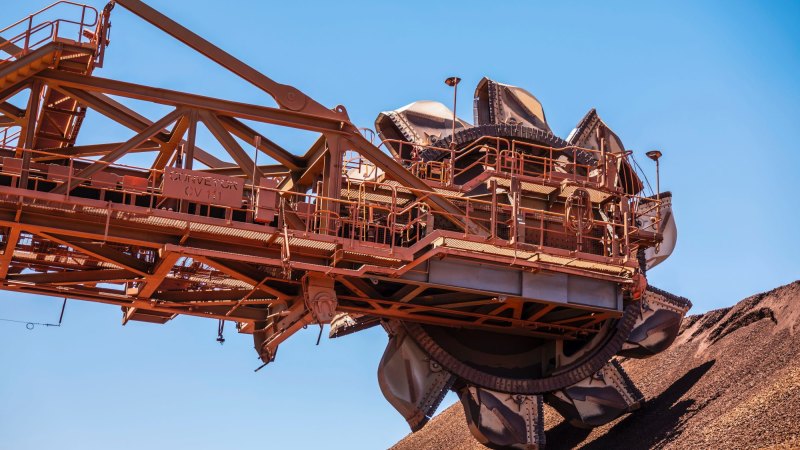
Iron ore at BHP’s Jimblebar facility in the Pilbara.Credit: Tony McDonough
But in a rare comment on the impact of the tensions on Tuesday, BHP said the negotiations over 2026 supply contracts in China had affected prices for iron ore it was sending from its mines in Western Australia’s Pilbara region.
“During negotiations, we continue to optimise product placement distribution channels and take actions within our operations to preserve operational flexibility and productivity,” the Melbourne-based miner said in a statement. “This has seen some impact to realised price.”
Iron ore, the raw material that’s turned into steel inside huge blast furnaces, is Australia’s single biggest export, fetching more than $100 billion a year in sales revenue, meaning even a minor dip in pricing could have a significant impact on state and federal government coffers. Iron ore routinely accounts for as much as 5 per cent of the nation’s gross domestic product.
Loading
Although BHP’s average iron ore price of $US84 ($124.70) a tonne for the December quarter was 4 per cent higher than a year earlier, it marked a distinct discount to industry benchmark iron ore pricing, said Kaan Peker, an analyst at RBC Capital Markets. Rival producers, such as Rio Tinto, were fetching prices in line with or above the benchmark, he added.
However, BHP’s discounts were likely to be temporary, Peker said, as Chinese steel mills’ alternative sources of supply remained “scarce”. He said the lower-than-normal prices reflected “buyer tactics” rather than a deterioration in the quality of its ores or a loss of pricing power, while BHP appeared to be “deliberately absorbing” near-term discounts to protect its prices in the future.
“Today’s discounts are evident, but immaterial at the group level and unlikely to persist,” he said.
