










Beijing: In a long-haul truck parked by the roadside in Beijing’s northern fringes, Mrs Leng’s husband is taking a nap on a thin mattress that has been propped behind the driver’s seat.
This small space in the truck’s cab – barely enough to fit two people lying side-by-side – is the couple’s bedroom, living room and dining room.
With an estimated 1.3 billion barrels of stockpiled crude oil in its reserves, China is better placed than most countries to shield its citizens from the energy crisis triggered by Iran’s stranglehold over the Strait of Hormuz. But it is not completely immune.
Truckers like the Lengs, who eke out an existence living in their vehicles while ferrying goods across the country’s vast road networks, are some of the most vulnerable to fuel price hikes.
“I feel very anxious about it,” says Mrs Leng, 37, who gives only her surname.
“Our life will become more and more difficult [as the war goes on]. Even if we don’t drive the truck, we have to keep paying fees such as insurance.”
Their 24-hour drive from Shandong province to Beijing and back, carting loads of steel and grain, will now cost them at least 5000 yuan ($1000) more each month. Chinese authorities lifted the prices of diesel and petrol last week – the second time in March – in response to the skyrocketing global oil price.
But the government softened the most recent blow, capping the petrol price rise to 11 per cent when it should have gone up 21 per cent under the country’s pricing mechanism. Diesel was increased by 13 per cent, well below the 24 per cent expected.
Overall, the price of petrol has risen about 1 yuan per litre this month, a manageable expense for many motorists. For those whose pay cheque is made on China’s roads and highways, it’s a different story.
“There is an idiom in Chinese: When the city gate catches fire, the fish in the moat suffer,” said Mr Wang, a businessman using a pseudonym, who was washing his Land Rover at a petrol station in Beijing on Saturday.
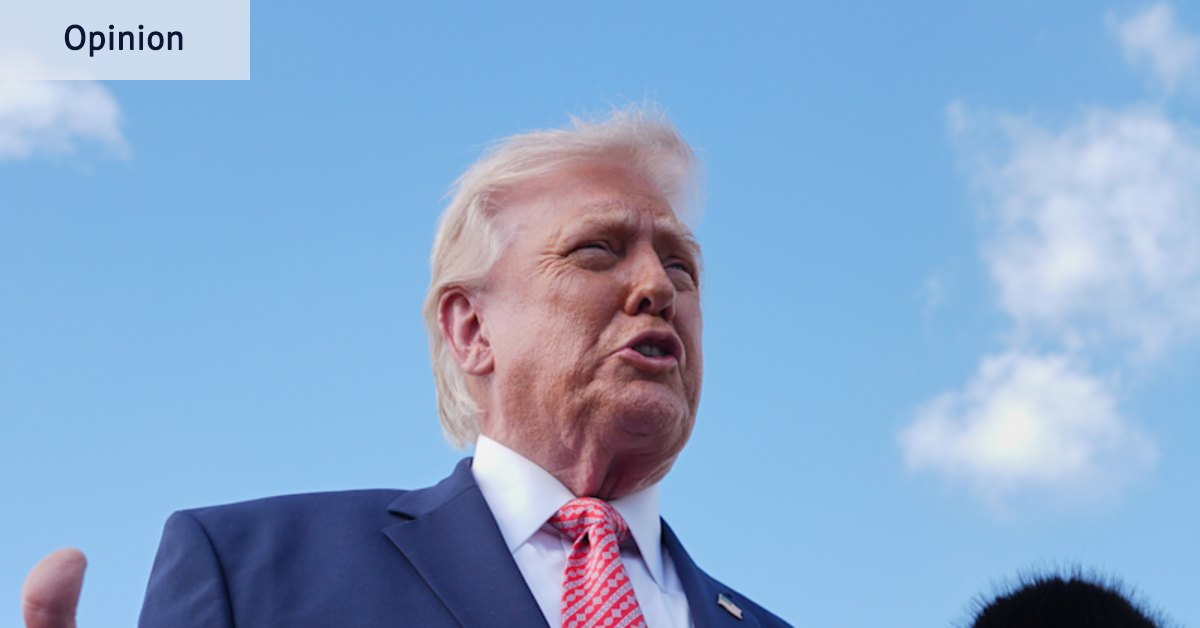
As the owner of a luxury British SUV, he is not the portrait of a struggling Chinese consumer, but he is angry at what he sees as US President Donald Trump’s reckless decision to attack Iran and the flow-on consequences for ordinary people.
“The oil price had been on a downward trajectory. Now Chinese people have to pay a price,” he says.
Still, China is not grappling with the same panic-induced issues facing Asian neighbours such as Japan and South Korea, which source between 70 and 90 per cent of their crude oil from the Middle East.
Beijing has not needed to direct citizens to take shorter showers or use their washing machines only on weekends, as Seoul has done. The images of Australian motorists hoarding fuel, petrol bowsers running dry, and widespread consumer alarm at skyrocketing prices haven’t played out in China.
China is the world’s biggest importer of energy and sources half of its crude from the Middle East, but over the past year, it has ramped up its stockpiles of cheap, sanctioned oil from Iran, Venezuela and Russia, giving it at least a three- to four-month buffer.
“Those reserves were accumulated at prices much lower than today’s, giving refiners the financial space to smooth out price increases as the government wishes,” said Thomas Gatley from Gavekal Dragonomics in a recent research note.
Beijing has also ordered its refiners to halt exports of petrol, diesel, and jet fuel overseas to shore up its own supplies. Its close economic ties with Tehran, which sells 90 per cent of its oil to China, mean it’s better placed than most countries to negotiate ongoing supply from Iran’s shadow fleet as well as via its own tankers that must traverse the strait.
Another major factor for Chinese consumers is that many already drive electric vehicles. More than half of all car sales in China are now EVs or hybrids.
And while motorbikes are the main low-cost traffic-dodging transport in Asia’s congested capitals of Manila, Jakarta and Kuala Lumpur, not so in Beijing, where millions of people instead use cheap electric scooters.
Motorists in China have, for years, been heavily incentivised to go electric. This year, Beijing will release 160,000 new vehicle quotas for electric or hybrid vehicles, while those who want a new petrol car will have to compete for just 20,000 licence plates.
It’s part of the government’s decade-long electrification agenda aimed at building up China’s energy security and self-sufficiency by weaning it off imported fossil fuels. Its electricity generation remains heavily dependent on coal, but wind and solar are the next biggest sources.
“China’s national energy strategy was already increasingly insulated from what might happen in the Persian Gulf,” said David Fishman, an expert on China’s energy market with the Lantau Group.
It also means China is poised to reap the benefits of a global surge in the take-up of green technology after the Iranian oil crisis. It’s already proving a boon for China’s oversaturated EV industry, which has struggled with slumping domestic sales. Chinese EV giant BYD said its Australian inquiries were up 50 per cent since the Iran war started.
“Everything that the world is going to suddenly be looking to are products that are coming out of China,” said Fishman.
China is not just the world’s top manufacturer of EVs, but also solar panels, batteries, wind turbines and other green technology.
These industries have been propped up by generous state subsidies, fuelling intense competition among Chinese companies, which has fast-tracked tech advancements and enabled them to outprice competitors in overseas markets. This has been a major source of tension for Beijing’s trading partners, including Australia, which has seen its own nascent solar panel industry wiped out.
But with consumers more price-conscious than ever, it is China that now stands ready to sell them the salve – if not for this oil crisis, then the next one.
Get a note directly from our foreign correspondents on what’s making headlines around the world. Sign up for our weekly What in the World newsletter.


