


In September, ANZ agreed to a $240 million penalty to settle four separate legal cases from the corporate watchdog ASIC, including ANZ’s role as manager in the issuance of a 10-year government bond, where ASIC accused the lender of acting unconscionably.
ANZ also cut 3500 jobs during the year, with newly appointed chief executive Nuno Matos facing significant backlash from staff who disagreed with his ambitious change agenda.

ANZ is also attempting to claw back $13.5 million in bonuses from its former chief executive Shayne Elliot.Credit: Alex Ellinghausen
The cost of the redundancies, alongside the fines and other penalties paid by the bank, resulted in ANZ reporting a 14 per cent fall in cash profits to $5.8 billion in the last financial year.
The company revealed 32.3 per cent of shareholders had voted against the bank’s executive pay scheme, above the 25 per cent required to be considered a “strike” and allowing investors to spill the board and re-elect the company’s directors.
Those resolutions did not pass, however, with just 1.45 per cent voting in favour of a spill.
Loading
Major proxy firms ISS and CGI Glass Lewis recommended their clients vote against the remuneration report, saying that some investors “may question whether the consequences are proportionate, given the scale and duration of the underlying failures”.
At Thursday’s AGM, Matos acknowledged the bank’s failings throughout the year, saying as chief executive, he was “ultimately accountable”. “Despite our good intentions, we have not consistently lived up to the expectations of our customers across all of our businesses,” he said.
“I want to stress to you today that we are going to get back to growth by getting back to basics and relentlessly focusing on customers across every segment and business of ANZ.”
Matos, along with the rest of the company’s Australia-based executives, will not receive any short-term bonuses for the last financial year due to the regulatory failings.
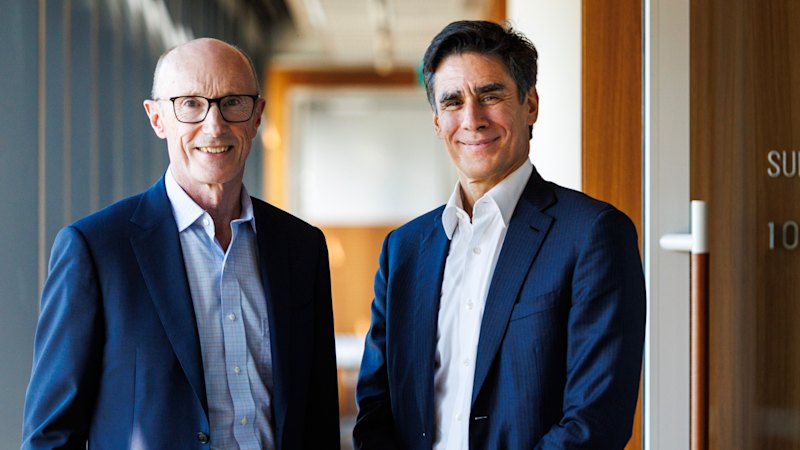
Both Matos and O’Sullivan drew the ire of a number of shareholders during the at times combative AGM, with the executive duo facing multiple questions on the company’s climate commitments, the ASIC penalties, and its sacking of employees.
Shares in the lender were flat just after lunchtime at $36.08.
The Business Briefing newsletter delivers major stories, exclusive coverage and expert opinion. Sign up to get it every weekday morning.
