


The recent fall in commuting times in Australia is mostly due to a single factor: the increased prevalence of remote working since the pandemic.

Average commute times in Melbourne have fallen since 2019.Credit: James Davies
According to the HILDA survey, about 35 per cent worked at home some of the time in 2023, which is 10 percentage points higher than before the pandemic. The share who worked most of their hours from home jumped from 5 per cent to 15 per cent in that period. The vast majority of remote workers had a “hybrid” routine – spending some of their days at the workplace and some days at home.
Dr Inga Lass, a Melbourne University researcher and co-author of the HILDA report, says the work from home boom has had a profound and lasting effect on commuting.
“Before the pandemic we saw a steep upward trend in commuting times, but working from home has basically brought that back to the levels we had at the beginning of the survey in 2002; that is pretty major,” she says.
More people working from home means fewer people using cars, trains or buses at peak times and the knock-on effect has been significantly shorter commute times overall.
Sydney University transport expert Professor Matthew Beck says reducing the number of vehicles on the road by even 5 to 10 per cent has a big impact on traffic flows.
“Those small changes make a real difference,” he says.
Rail systems also function more efficiently when there are fewer passengers at peak times, says Beck.
Remote work is more prevalent in capital cities, which helps explain why commutes have shrunk more in urban areas than other parts of the country.
While the latest HILDA report only captures data up to 2023, Lass says more recent evidence suggests work from home patterns have remained fairly stable since then, suggesting we’re still enjoying shorter commutes.
“The persistence of working from home arrangements has buffered the rise in commuting times far beyond the pandemic,” she says.

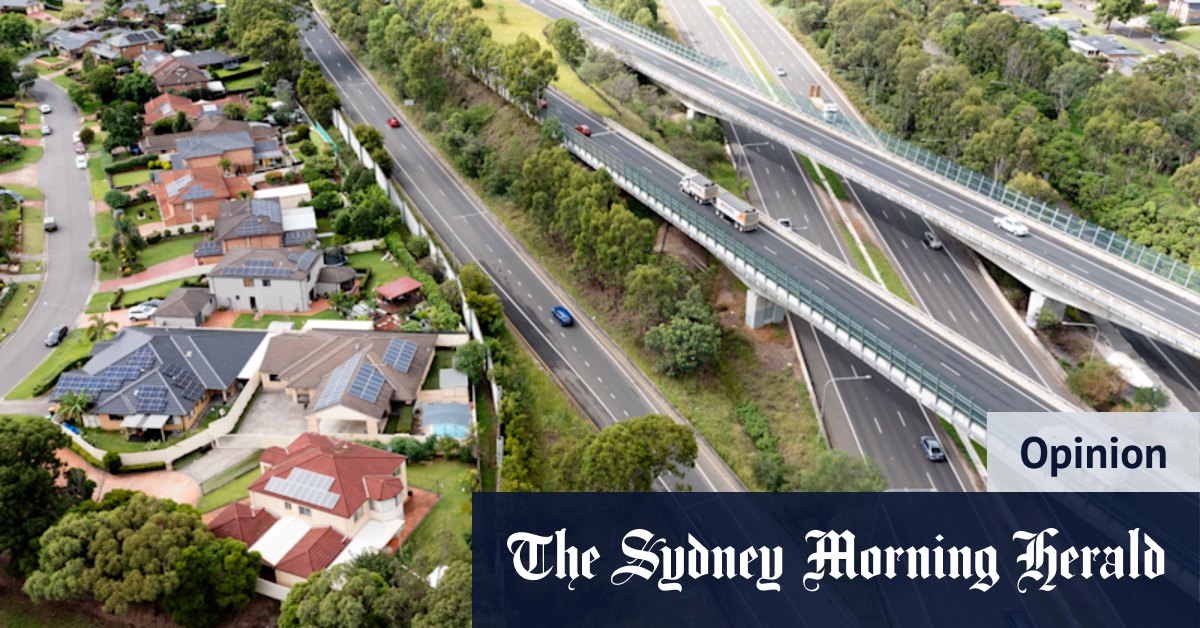
Reducing the number of vehicles on the road by even 5 to 10 per cent has a big impact on traffic flows. Credit: Janie Barrett
In another positive sign, the share of workers with very long commutes, which tend to be a major drag on wellbeing, has also shrunk since the pandemic – in 2019 about 18 per cent of workers spent two hours or more getting to work, but that had fallen to 13 per cent by 2023.
Fewer traffic commuters has environmental benefits too – passenger vehicles are a major source of carbon emission.
We could be doing far more to harness our new remote work habits to help reduce congestion at peak times.
Now that flexible work routines are well established and widely accepted, more employees should be encouraged to travel outside peak times, or spend a portion of the day working from home.
Beck says governments now have a wealth of real-time data on the performance of transport corridors that could be shared more effectively with commuters.
“If you know what times will be especially busy, or you know things are going to be particularly crowded for some reason, then share that with people,” he says.
“When people know it will be a bad day on the transport network they might choose to work from home. That short of thing should be encouraged.”
Remote work, and the best way to manage it, has been the subject of heated debate in Australia since the pandemic. But the way it affects commuting deserves much more attention.
The HILDA survey’s striking findings on reduced commuting times since 2019 underscores an important spin-off from the work from home revolution: all employees – including those with a job that can’t be done from home – have benefited from greater workplace flexibility.
Matt Wade is a senior economics writer at The Sydney Morning Herald.
Get a weekly wrap of views that will challenge, champion and inform your own. Sign up for our Opinion newsletter.
