









Prime Minister Anthony Albanese will meet with the head of the global energy watchdog next week after brushing off its stark warning that demand for fuel must be curbed amid the ongoing conflict in the Middle East.
The International Energy Agency issued a warning on Friday for all countries to slow fuel demand, saying workers should stay home, drivers should travel at slower speeds and air travel should be avoided.
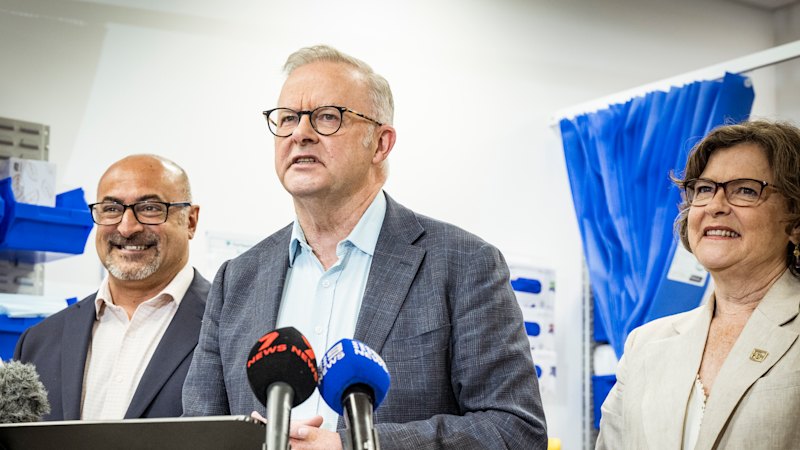
Speaking in Melbourne on Saturday, Albanese said of the agency’s recommendations: “They’re not suggestions to us, of course. They’re suggestions to the world.”
His comments came after the agency warned a variety of measures were necessary to curb fuel demand, including cutting speed limits by 10km/h and encouraging work from home. Developed countries have yet to urge cutting back travel. However, many less developed countries, including Indonesia, Sri Lanka and Thailand, have.
According to the most recent data, Australia holds a 38-day supply of petrol, 30 days of diesel and 30 days of jet fuel. Stock of petrol and diesel are up since March 3, by two days and one day respectively. Diesel stocks have dropped by two days in the same period.
The federal government is not speaking publicly about its modelling on fuel conservation measures, but sources involved in high-level briefings say the government is aware more drastic measures may be required.
International Energy Agency head Fatih Birol will visit Canberra on Monday, where he will meet with Albanese and address the National Press Club.
In more extensive comments on the topic, Deputy Prime Minister Richard Marles downplayed the agency’s recommendations calling them “options” not “a directive”.
“Our focus is in respect of supply and getting fuel supplies to where it is needed most, and that is very much in the regions. What happens as we go forward, depending on how long this conflict ensues, may have implications,” Marles said in Sydney on Saturday.
“Right now, our message to the Australian people is to continue business as usual. To get on with people’s lives.”
Opposition Leader Angus Taylor did not comment on the recommendations during a Saturday press conference, instead furthering an attack on Energy Minister Chris Bowen.
“Just a couple of weeks ago the energy minister was telling us there was no problem here. By the end of the last sitting week it was a national crisis. This government hasn’t been taking this issue seriously,” Taylor said.
“They haven’t been focused on it the way they should and the result is Australians pay the price.”
Taylor’s office was asked what measures presented by the agency the Coalition would be willing to support, but did not respond by deadline.
Victorian Deputy Premier Ben Carroll said the federal government had assured state counterparts there was adequate fuel supply for the state, and encouraged citizens to “go about their normal day and their business”.
The NSW government has said it is considering the IEA advice as part of contingency planning, and has encouraged people to use public transport were possible, despite maintenance closures on the Sydney metro line through the weekend.
NSW Energy Minister Penny Sharpe on Friday wrote to the major petrol companies to demand an urgent stocktake be provided to her government to allow for better contingency planning, requesting chief executives hand over information on fuel storage and stocks, as well as sales and orders.
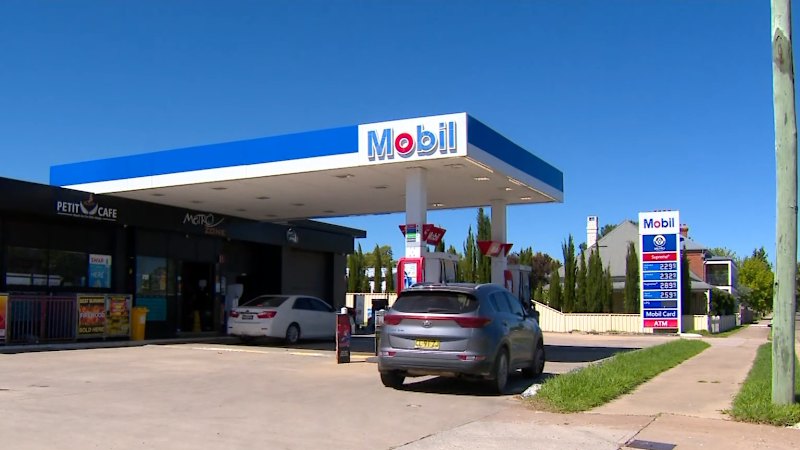
There were 112 NSW petrol stations reporting they were out of diesel fuel by Saturday, compared to 122 on Friday. Forty-four stations were out of all fuel, also a slight decrease from 47 on Friday.
The Greens have yet to hold a party-room meeting in which they could address the IEA measures. Federal party leader Larissa Waters this week urged the government to make public transport free as a measure to reduce fuel usage. Waters said the cost could be covered by “a big [budgetary] injection from taxing obscene wartime profits of Australian gas corporations”.
A report from the ABC on Friday said Albanese’s department had commissioned modelling on gas export levies, a move Albanese did not deny.
“Bureaucrats do modelling. If that’s the case, then good on them. That’s what happens in the lead-up to budgets, the bureaucrats go about modelling different policy scenarios. So be it. It’s called good government,” he said.
Waters wrote to Albanese on Thursday urging a 25 per cent export levy on gas exports, saying her party could pass legislation within a fortnight.
Economist and former chairman of the Australian Competition and Consumer Commission Rod Sims was more ambitious, calling for a 40 per cent levy.
“Australia has been massively under taxing its gas resources, way less than about half of what the rest of the world does on average,” Sims said.
“Internationally owned gas companies … [are] doing very well, and Australian households are getting whacked by the price impact. So it’s just a perverse effect.”


