



The state placed hundreds of high-risk children with potentially unqualified care providers after it allowed the growing sector to outpace safety checks for more than a decade.
On Friday, Child Safety Department deputy director-general Bernadette Harvey told the state’s child safety inquiry about one-third of children and young people currently in residential care remained with providers that had not been formally assessed for their ability to provide accommodation, food, or personal care.
Under the department policy, some emergency care providers are exempt from this licensing, particularly if the department only expected an at-risk child would need care for a short period of time.
However, after the number of children and young people needing care placements ballooned beyond what the department could provide about five years ago, more children were placed with emergency care providers.
With some 1300 children placed in emergency care options in 2021, the number of unlicensed providers also grew, a report commissioned as part of the state’s Commission of Inquiry into the Child Safety System found.
It found this number surged by about 20 providers between 2020 and 2024 alone.
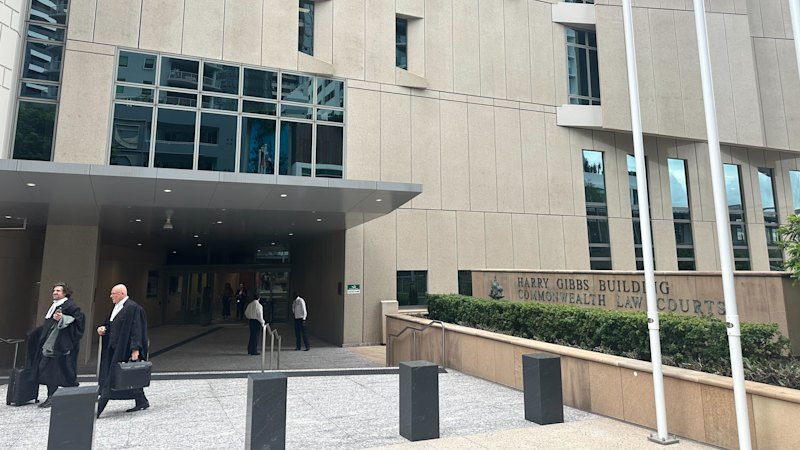
However, on Friday the inquiry found the department had signed off on eight licences over 12 years between 2013 and 2026.
Harvey said the department was working to close the gap, with half of the remaining unlicensed providers the state was working with in the process of clearing those safety assessments.
The other half, Harvey said, were still exempt.
She said the department was edging away from emergency service providers for the almost 3000 children in residential care, opting for provider-types for whom licences were a base requirement.
“By the end of the year if we have closer to 95 per cent [long to medium-term residential care] providers, they will be going through a licensing process,” Harvey said.
The inquiry revealed the state still had a waiting list of 1600 children and young people stuck in residential care who were eligible for family-based care.
One-quarter of those children and young people came from South-east Queensland, and about one-fifth from the far north.
The deputy director-general said the waitlist had grown over the past five years, which she said could be from a lack of funded places, or indicate the department was still searching for a suitable kinship carer.
“Or, it could be that there are funded places available, but there just aren’t foster carers,” she said.
Counsel assisting Tom Diaz said placing every child on the waitlist with kin or family could create up to $700 million in savings for the state.
Child Safety Minister Amanda Camm announced on Thursday the state government had partnered with three foster care agencies across Queensland to deliver a $27 million, two-year trial.
On Friday, the inquiry dissected the new program, offering $200,000 for each carer, half of which was directly to those carers.
Harvey said the state was working to minimise or completely remove tax on those direct payments, although she conceded the new model could end up creating an entirely professional-based foster care system.
“There will be carers who will … have the view that they are already providing care to highly complex young people and will see there is some disparity,” Harvey said.
Start the day with a summary of the day’s most important and interesting stories, analysis and insights. Sign up for our Morning Edition newsletter.
