


Opinion

Last year, DroneShield soared to an astounding $6 billion valuation as amateur investors lapped up reports of global defence contracts while ignoring modest revenue and zero profits.
As chief executive Oleg Vornik boasted: “We’re the only listed counter-drone company in the world.”
The Iran conflict has only enhanced the theme of drones and cheap rockets as the clear winners in any future war and unnegotiable must-haves for the industrial military complex.
But DroneShield shares are trading at barely half last year’s peak thanks to some unforced errors by its co-pilots, CEO Vornik and chairman Peter James.
They inexplicably sold all their shares with zero notice and no coherent explanation late last year, which sent the stock into a nosedive from which it is yet to fully recover.
So it was no surprise this week that both announced their abrupt departures just ahead of their moment of penance before investors at its annual meeting.
A clear message must have been sent from somewhere, possibly investors: As a multibillion dollar stock, DroneShield needed a grown up who could settle market nerves and attract the big fund managers who should be flocking to a globally successful player in a hot sector.
Which brings us to the DroneShield annual meeting in late May, where the group’s chairman-elect will take the helm.
It is none other than Hamish “The Hammer” McLennan, chairman of Rupert Murdoch’s real estate behemoth REA Group, and board member at gambling app maker Light & Wonder.
Oh, and the chairman of radio disaster show, ARN media.
McLennan said via the DroneShield ASX announcement that he would be “strengthening governance, discipline and operational maturity will be central to supporting DroneShield’s continued growth as an Australian technology success story and an important national defence partner during a period of elevated global security challenges.”
The obvious question for any big fund manager looking at DroneShield – and the Hammer’s CV – is: Are you kidding me?
The spectacular Magellan Financial meltdown occurred under McLennan’s watch as chairman – including the departure of its rock star founder Hamish Douglass.
The ouster of McLennan as chairman of Rugby Australia in 2023, after its worst ever World Cup campaign, inspired by the organisation’s genius move to sack the coach on the eve of the largest event on the rugby calendar, needs no further explanation.
Clearly DroneShield thinks the Hammer’s corporate connections means he can work his magic on the institutional investors and ward off the buzz of short sellers who currently hold more than 10 per cent of the stock. These investment vultures are obviously expecting another meltdown.
We will see if his appointment at DroneShield in late May still looks like a great idea when the big day rolls up, as it will come just weeks after what promises to be an entertaining ARN shareholder meeting.
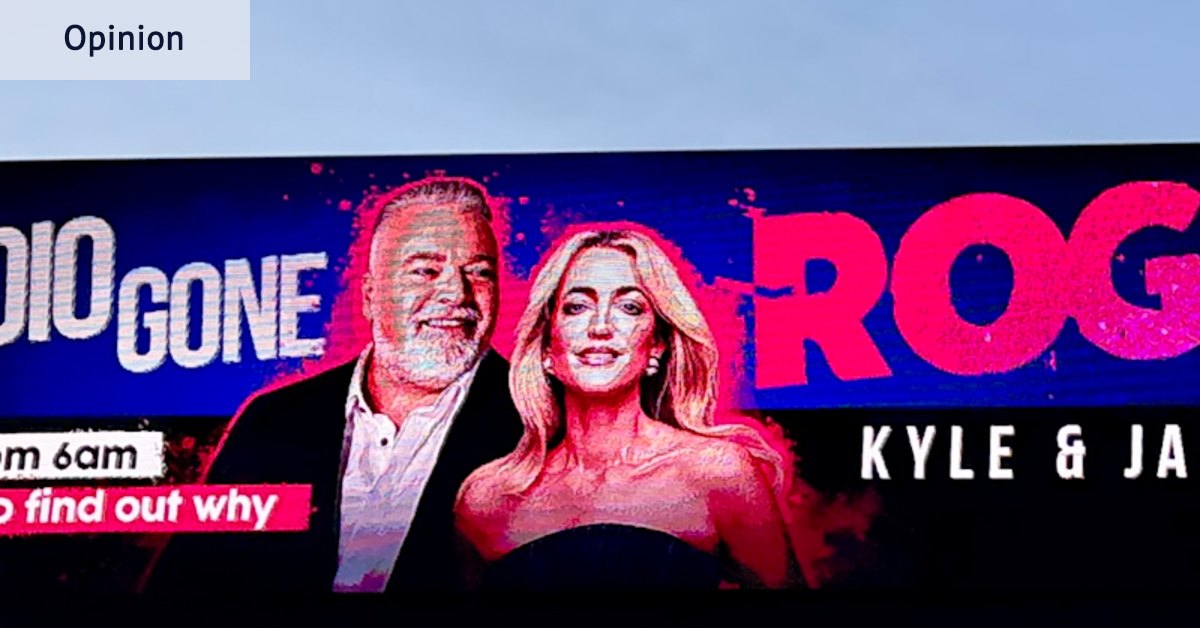
McLennan faces re-election and a fiery confrontation with investors over his considerable role in the Kyle and Jackie O debacle.
The first obvious question ARN investors should be asking McLennan is whether the media group – which hit a market valuation of just $60 million this week – can survive its $170 million legal battle with Kyle and Jackie O.
ARN has yet to file its defence, but court documents lodged by both Kyle and Jackie O – who are seeking a combined $170 million-plus in compensation – point to the extensive involvement of McLennan and raise questions about his judgment.
For example, he was signatory on the contracts that paid Kyle and Jackie O $100 million each over 10 years. Jackie O also sent a text in September last year to the station manager saying Sandilands’ behaviour needed to be discussed with McLennan and the ARN chief Ciaran Davis.
It might have hit the headlines overnight, but this disaster has been years in the making.
Activist group Mad F—ing Witches raised the commercial cost of Kyle and Jackie’s show by pressuring advertisers back in 2024. This was well before the media regulator ACMA threatened ARN with the loss of its radio licences if the duo continued to breach decency provisions – as they had for years.
The disastrous debut in Melbourne last year merely confirmed that ARN could no longer commercially justify paying each of them $10 million a year with what appear to be feeble performance hurdles.
If Kyle and Jackie O prevail in their legal battles with their former employer, is it radio silence for ARN?
The company has not even tried to put an estimate on the bill it might have to swallow if it faces a prolonged, and expensive, legal battle and a significant compensation payout to its former stars.
But the numbers are stupendous when you contrast it with numbers that depict the current state of the media industry.
The $200 million contract could almost buy the combined Seven West and radio rival Southern Cross Media, which is barely worth $260 million.
To put the $200 million figure in perspective for ARN, its entire wage bill for regular employees last year was just $121 million.
Nevertheless, ARN should survive a reasonable outcome from the court battles.
The group is ripping out costs with $55 million in savings targeted by the 2027 financial year. UBS media analysts expect the group to continue making money, despite stagnant revenue, generate cash, and keep paying down long-term debt which totalled $135 million last year.
Nothing can stop this from costing investors dearly. And management – including McLennan – need to be held to account.
For DroneShield investors hoping for lift-off with new leadership, they might need to ask themselves: Is it really Hammer time?
The Business Briefing newsletter delivers major stories, exclusive coverage and expert opinion. Sign up to get it every weekday morning.
 Colin Kruger is a senior business reporter for the Sydney Morning Herald and The Age.Connect via email.