


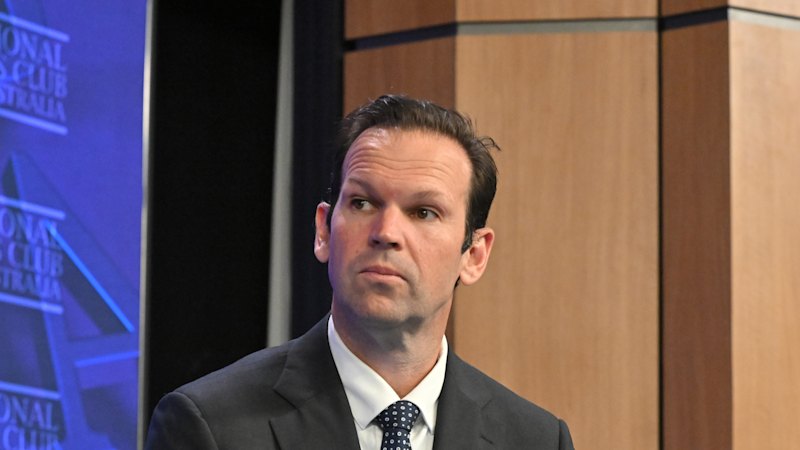

Tougher requirements to become a citizen have been put on the agenda by Nationals leader Matt Canavan as the Coalition tries to seize the immigration debate from the hands of One Nation.
Speaking on the Inside Politics podcast a month out from a byelection that will test the Coalition’s support under two new leaders, Canavan said he copped a backlash from Pauline Hanson’s supporters when, on his first day as leader in March, he described Hanson’s brand of race politics and remarks about “good” Muslims as divisive.
“People said mean things,” Canavan said, particularly online. “I’m very patriotic. But if you’re in the Australian club, I will protect your rights to the hilt, no matter where you’re from and what faith you are. And I particularly found Pauline’s comments on Muslims not consistent with that approach to our country.”
Opposition MPs are working on a plan to toughen up enforcement of the Australian values test and change appeals rules to make it easier to deport 100,000 unlawful immigrants, as revealed by this masthead in November and December.
The Queensland senator, for years a rogue backbencher, set red lines for the Coalition’s long-delayed immigration policy.
Canavan said the party’s blueprint would not breach Australia’s long-standing non-discriminatory policy, but argued that citizenship standards had become too lax. European nations, including Denmark, have made it harder to become a permanent resident or citizen in recent years, as anxiety over migration has fuelled populist surges.
Canavan said current hurdles to become an Australian were “more of a tick and flick”, in contrast to tighter rules that he claimed existed when his Italian grandparents arrived in Australia.
“I think it’s pretty exclusive club, and it’s perfectly reasonable [to have] pretty high hurdles to get into it,” Canavan said, also calling for a crackdown on student visas.
“[We] should have fit and proper person tests of very, very stringent levels to become Australian citizens.”
It takes at least four years to become an Australian citizen, but less time to become a permanent resident. Citizenship applicants must pass a good character assessment, including police checks, and also a citizenship test.
But conservatives, including former prime minister Tony Abbott, have argued for tougher tests and a longer probationary period for permanent residents to allow for greater integration in the society.
The opposition’s long-delayed immigration plan was thrown into chaos after Angus Taylor deposed Sussan Ley as Liberal leader. A version of her immigration policy was leaked days after she lost the leadership. Senior MPs baulked at a section that banned migration from terror hotspots of mostly Muslim nations, making it difficult for Taylor to go down a similar path.
Migration and a general dissatisfaction with the economy and major parties has helped catapult One Nation into a previously unthinkable position of popularity. Since One Nation outpolled the Liberals in the South Australian election, Labor figures have been speaking more directly about values and culture, with Anthony Albanese talking about “progressive patriotism” and tying his housing affordability agenda to social cohesion.
Canavan said that he believed the Nationals would win Farrer, a regional NSW seat vacated by Sussan Ley, even though One Nation and a Climate 200-backed independent are favourites. On the same podcast a month ago, Littleproud admitted the Nationals were on track to finish last.
The new Nationals leader echoed Taylor, who has lamented the “politics of convenience” that has led the Coalition to abandon core values. The Morrison government adopting the net zero by 2050 pledge was cited by Canavan as one such betrayal.
Raising the alarm about the potential dying out of the National Party if current trends were not reversed, Canavan said winning elections was not the be-all and end-all.
“It’s a means to an end,” he said. “I wouldn’t spend half my entire year, basically, probably more than that now, in this role [as leader] away from my family, just to get a title or have a ministerial office. I’ve had that, and it’s it was a great honour, but it’s not that important unless you can do things, unless you do things that you think are good for your country.”
Cut through the noise of federal politics with news, views and expert analysis. Subscribers can sign up to our weekly Inside Politics newsletter.
 Paul Sakkal is Chief Political Correspondent. He previously covered Victorian politics and won a Walkley award and the 2025 Press Gallery Journalist of the Year. Contact him securely on Signal @paulsakkal.14.Connect via X or email.