


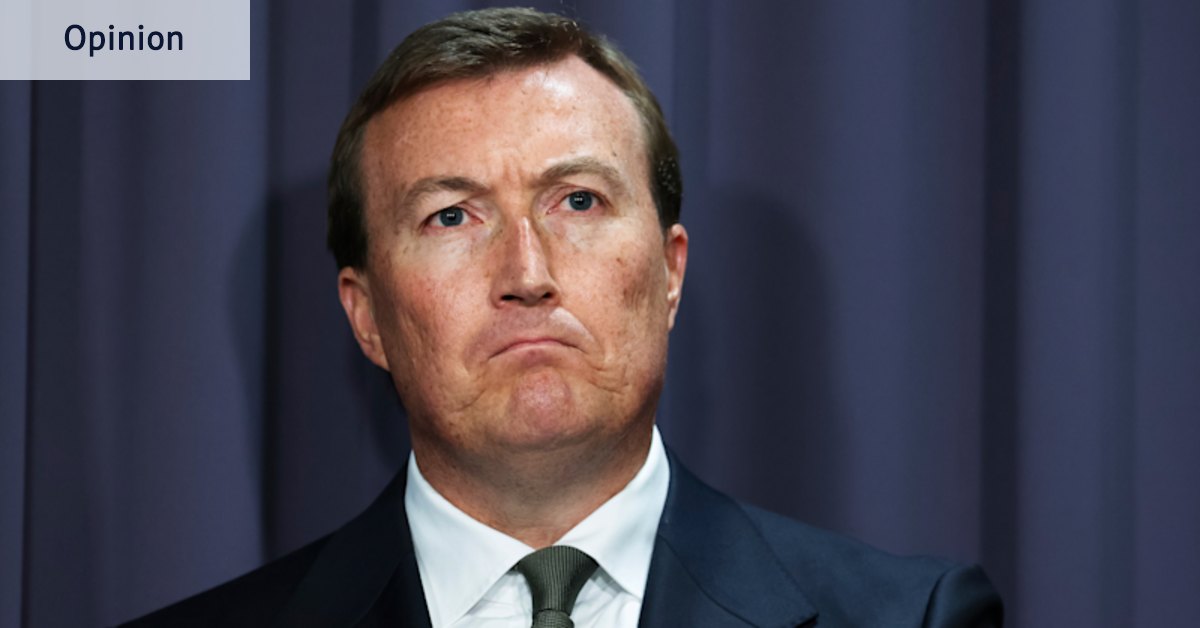
Bran Black, the head of powerful big business lobby the Business Council of Australia, chose a curious example to demonstrate how one of his members is placing their shoulders to the wheel to help staff navigate the fuel crisis. Apparently, Coles is allowing staff to work longer shifts to reduce driving to work.
I guess that’s one way to lend a helping hand.
Consumers would be more interested to know how the big supermarkets were absorbing the additional fuel-related costs they would be enduring, rather than passing these on to higher shelf prices.
Big business’s response will vary. We will certainly see some significant price increases for consumers and have already witnessed this from airlines.
But Treasurer Jim Chalmers, who unveiled various relief measures for small businesses and households on Wednesday, was keen to demonstrate the bona fides of a united effort with big business to put their shoulders to the wheel to help consumers and small businesses navigate the fuel crisis and its inflationary ripples.
Chalmers says it’s a joint effort to try and shield small businesses and consumers from “the worst the world can throw at us, the consequences of this very substantial oil shock emanating from a war in the Middle East”.
Make no mistake, it’s no $89 billion COVID JobKeeper scheme. There are no gifts, it’s more of a buy now pay later approach. It is short-term relief – call it a breather – to keep some businesses afloat.
At the heart of this government assistance are more generous tax-payment plans for small businesses that are caught in the fuel-induced cash squeeze. It may remit interest and penalties for late payment for companies whose income has fallen. And compliance actions and debt collections could be paused, for those that the tax office deems appropriate.
But it has limits and there are thresholds for where concessional treatment will be provided.
The banks have been enlisted to provide small business and consumers with some wriggle room to help them get over a financial hump by, for example, allowing them to move to interest-only loans for a period, reducing or waiving fees for hardship cases, or lengthening loan times to reduce monthly interest payments.
More universal measures like the cut in fuel excise started flowing through to retail petrol buyers on Wednesday, providing immediate and tangible relief.
But the reprieve from the tax office and the banks won’t allow businesses to escape payment, which will need to be made down the road at some unspecified time.
The immediate action by the banks will avoid some consumers and small businesses becoming a statistic in the lending arrears column.
Similarly, big businesses’ willingness to offer a degree of largesse to their suppliers by, for example, more regular reviews of fuel levies, can’t go on forever.
Most of these are emergency measures that work temporarily and probably assume a short-term timeline for Donald Trump’s war with Iran.
And the Australian government, like the rest of the world, is at the whim of the mercurial US president, whose war plan communications vary by the day.
The US sharemarket staged a massive relief rally on Tuesday (US time) after Trump said the US would be leaving Iran very soon, and US Secretary of State Marco Rubio backed him up saying Washington could “see the finish line”.
Trust in Trump’s social media declarations is frayed, but the Iranians are sending the same signals, so markets have a more solid basis for their optimism.
But despite the potential for an end to the conflict, Trump is signalling he will not take responsibility for opening the Hormuz shipping channel that is crippling the supply of much of the world’s oil supply.
He is prepared to leave that mess for other countries to clean up.
Even if the war comes to an end over the next couple of weeks, its effect on world oil prices, supply and inflation will last longer.
How long can the “Team Australia” alliance between big business, the government and regulators hold its cohesive nerve? It will be tested.
The Business Briefing newsletter delivers major stories, exclusive coverage and expert opinion. Sign up to get it every weekday morning.
