


Washington: The Trump administration has convinced the United Kingdom to pay 25 per cent more for new pharmaceuticals in a trade deal that now serves as a model to compel other developed nations, such as Australia, to fork out more for drugs.
Under the deal, announced overnight, the UK’s National Health Service will increase the net price it pays for new medicines by 25 per cent, and certain rebates paid by drug companies to the NHS will be reduced.

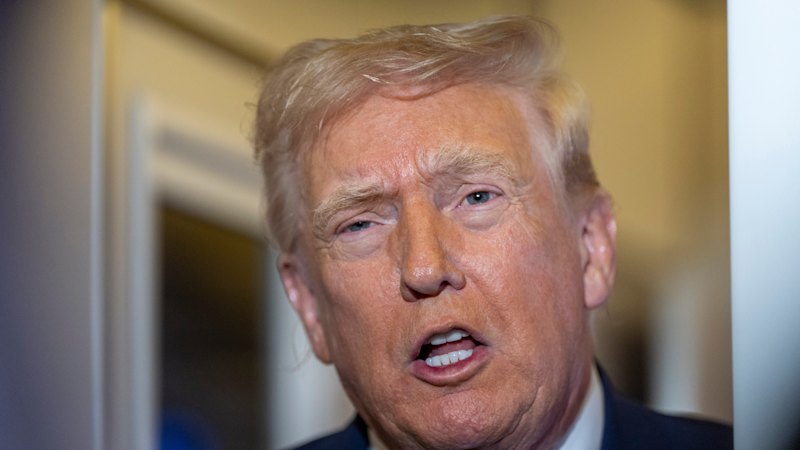
The Trump administration will use the British deal as a model for talks with other developed nations.Credit: AP
In return, British medicines will be exempt from potentially triple digit US tariffs and any future trade practices investigations involving pharmaceuticals for the rest of President Donald Trump’s term.
It was not immediately clear whether British consumers could be forced to pay more as a result. But UK media reported the cost to the NHS would be about £3 billion ($6.1 billion).
A White House official, requesting anonymity, said the general structure of the deal – under which other countries pay more for drugs or face punitive trade measures by the US – was the model for global negotiations.
But the specifics, such as the 25 per cent rate or changes to the NHS rebate process, would not necessarily be a benchmark for other deals, they said.
“For decades, Americans have subsidised global pharmaceutical research and development by paying several times more for the same exact drugs than our peers in other wealthy nations do,” White House spokesman Kush Desai said in a statement.
“President Trump pledged to use every lever of executive power to put America First, and the administration’s pharmaceutical deal with the UK is a historic step towards ensuring that other developed countries finally pay their fair share.
“Americans are just 4 per cent of the world’s population, and we cannot – and will not – cover over 75 per cent of the costs of new drug development for the rest of the world.”
